

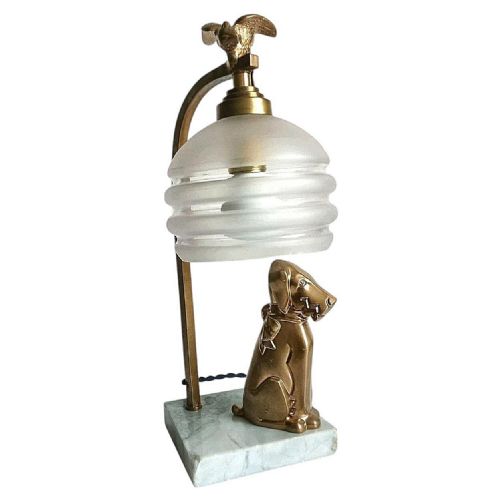


Novelty Desk Lamp
A novelty desk lamp brings character to a workspace, combining practical illumination with sculptural whimsy.
Novelty Desk Lamp
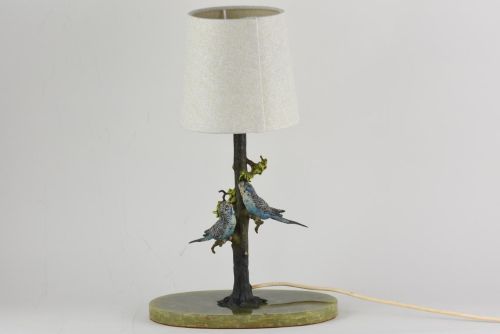
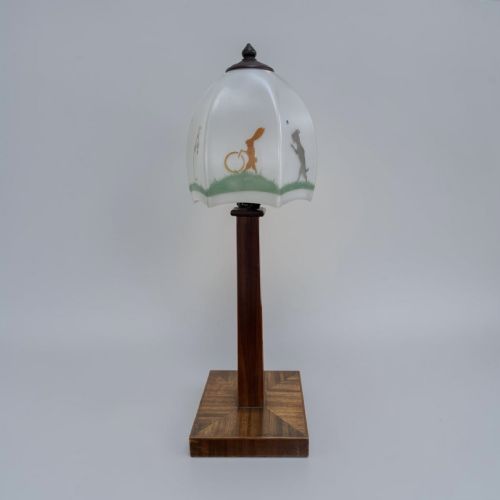
A novelty desk lamp is an imaginative lighting piece designed to resemble everyday objects, animals, or architectural forms rather than standard light fittings. When exploring this category, you encounter a diverse range of items spanning the Victorian era, the Art Deco period, and mid-century modern design.
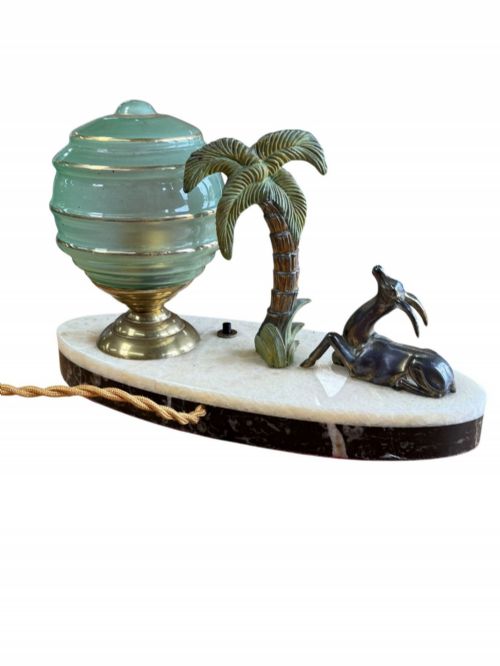
The selections available include animal figures such as German porcelain spitz dogs and Black Forest linden bears, alongside architectural subjects like lighthouses and desk compendiums. You also find practical items adapted as lamps, including silver plate palm trees, leather books, and yacht models.
Originating across different countries, these pieces utilise varied materials like brass, marble, porcelain, and silver to create distinct forms that served both decorative and functional roles on period desks and tables.
How they were made
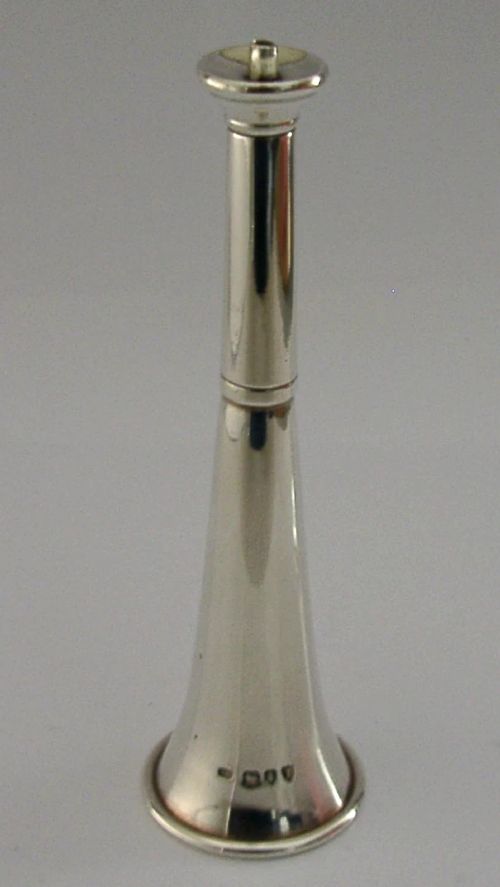
The construction of these items relies heavily on metalworking, ceramic moulding, and woodwork, combining solid materials like brass, gilded bronze, linden wood, and sterling silver. Artisans shaped these mediums into complex three-dimensional sculptures, from cavalry swords and hunting horns to classical oil lamps.
Makers integrated electrical fittings or burner mechanisms into sculptural bodies, utilising porcelain, glass, and marble bases to provide stability. Surface finishes such as silver plating, chrome, and gilding added textural depth and protected the underlying metal.
Novelty Desk Lamp Retail Price Guide 2026
Typical asking prices for novelty desk lamp among the pieces listed under this phrase on Sellingantiques today, from the lower quarter to the upper quarter. They describe what is for sale here now, not the wider market.
What varies in quality
Quality in these pieces rests upon the crispness of the modelling and the fidelity of the sculptural form to its real-world subject, whether an animal, a yacht, or a desk compendium. Finer examples display meticulous detail in hand-carved wood, hand-painted porcelain, or chased metalwork.
The choice of base material and the weight of the casting also separate standard production from superior manufacture, as heavier metals, genuine marble, and hallmarked sterling silver denote higher grade commissions by notable makers.
Braham·Guilmet·Ernst Bohne & Sohn·Jaeger Le Coultre
The Novelty Desk Lamp Glossary
- Compendium
- A multi-functional desk accessory combining several instruments, such as a clock, barometer, and lamp, into a single coordinated object. These pieces reflect Victorian and Edwardian ingenuity for desk organisation.
- Sterling silver
- A silver alloy containing 92.5 percent pure silver and 7.5 percent other metals, typically copper, used for luxury table lighters and lamp mounts. Items often bear hallmarks indicating the assay office and year of manufacture.
- Black Forest
- A regional style of wood carving originating in Germany and Switzerland, known for realistic depictions of bears and forest animals rendered in linden wood. These carvings frequently formed the bases of rustic desk lamps.
- Art Deco
- A design style prevalent in the 1920s and 1930s characterised by streamlined geometric forms, stylised animal motifs, and modern industrial metals like chrome. Lamps from this movement embrace sleek, forward-looking aesthetics.
- Table lighter
- A portable fuel-burning device styled as an ornament, often sharing the exact sculptural form of a novelty lamp, such as a hunting horn or classical oil vessel.
Novelty Desk Lamp: Frequently Asked Questions
What is a novelty desk lamp?
A novelty desk lamp is a functional lighting fixture shaped to represent an animal, building, vehicle, or familiar object rather than adopting a traditional shade and column silhouette.
These pieces were produced across the nineteenth and twentieth centuries to add personality and conversation value to studies, libraries, and offices.
How were early novelty lamps powered?
Early versions often started life as non-electrical items, such as oil-burning table lighters, spirit lamps, or candleholders, before being converted to electricity later in their lives.
Other examples were manufactured specifically as electric lamps from the outset, particularly during the Art Deco period and mid-twentieth century.
How do I identify the period of a lamp?
Dating relies on stylistic markers, such as the naturalistic carvings of nineteenth-century Black Forest pieces or the geometric streamlining typical of nineteen-thirties Art Deco design.
Materials, maker's marks, and structural clues like switch types or wiring access points also help place an object within its original decade.
Are these lamps suitable for daily use?
Many collectors use these pieces as working desk lamps, provided the internal wiring has been inspected and updated to meet current safety standards by a qualified electrician.
Because they often incorporate delicate materials like porcelain, carved wood, or silver plate, placing them in low-traffic areas helps preserve their original finishes.