



Norwegian Silver Pin
A norwegian silver pin brings vibrant enamel work and clean Scandinavian lines to your lapel.
Norwegian Silver Pin
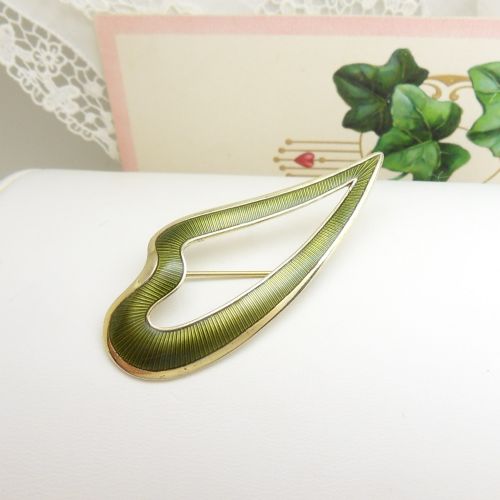
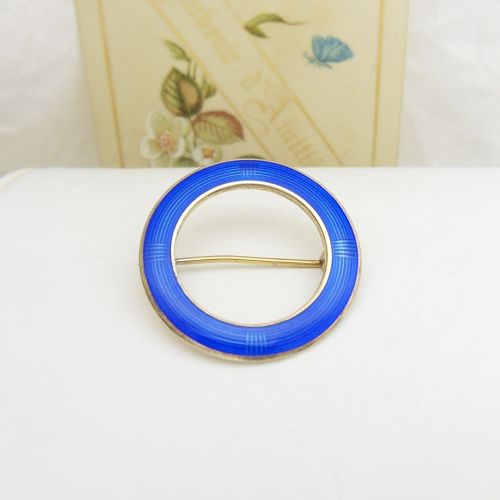
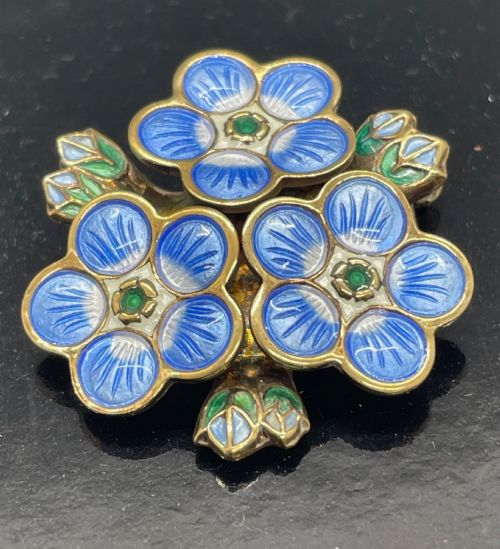
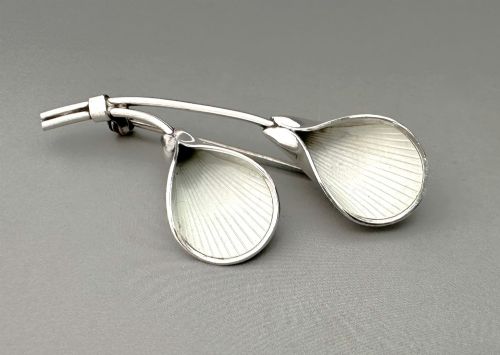
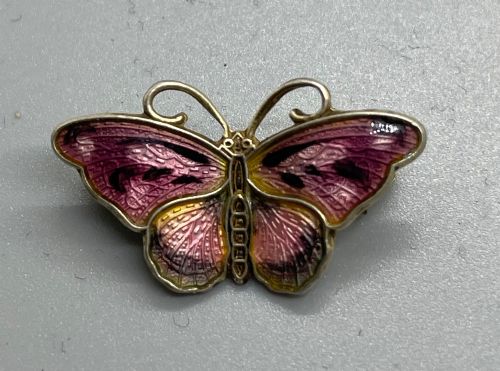
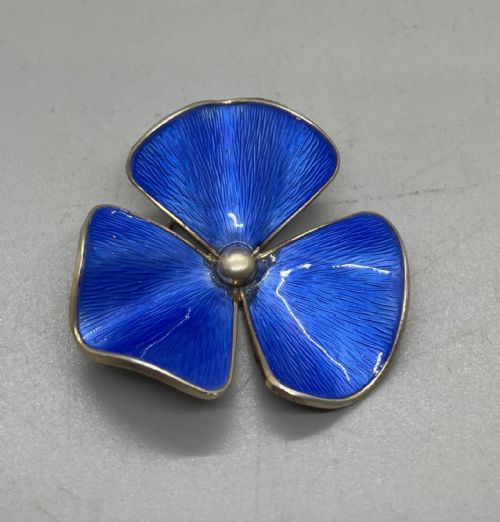
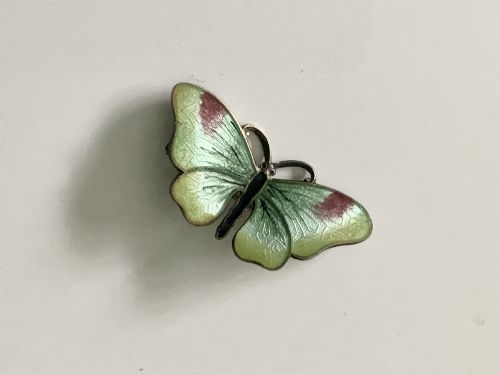
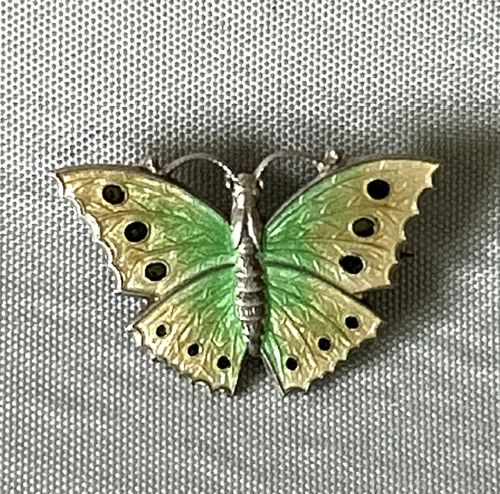
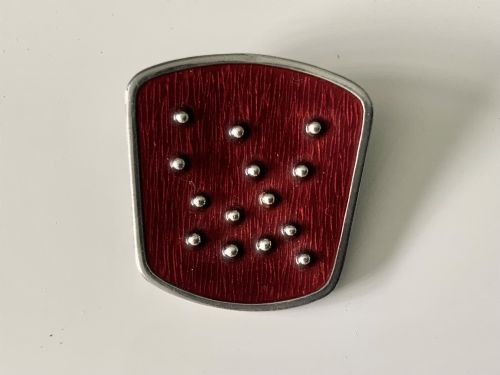
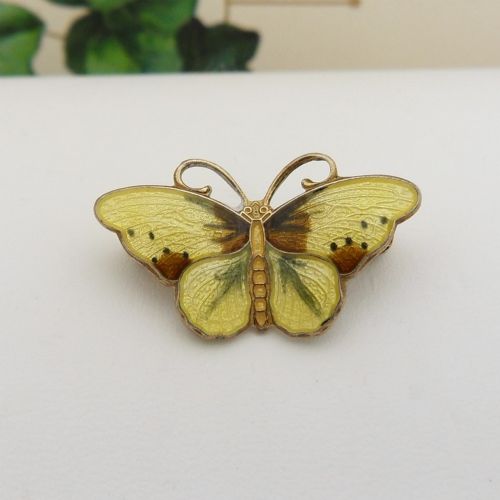
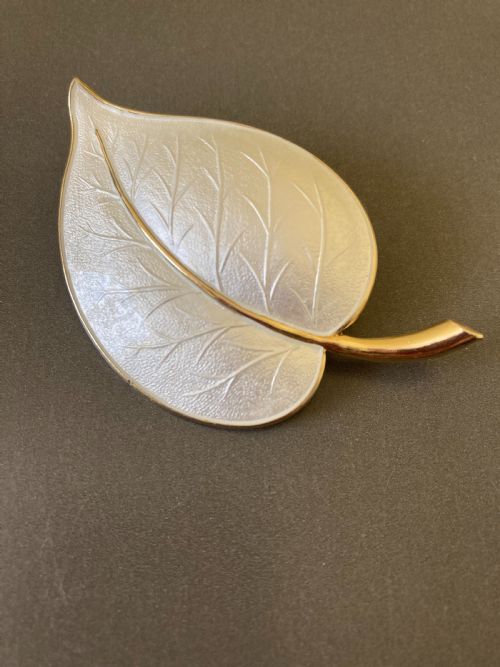
A norwegian silver pin represents a distinct tradition of mid-century Scandinavian metalwork, focusing primarily on small brooches and decorative items. These pieces frequently take the form of butterflies, floral motifs, or geometric shapes executed in bright tones of enamel over sterling silver or silver gilt.
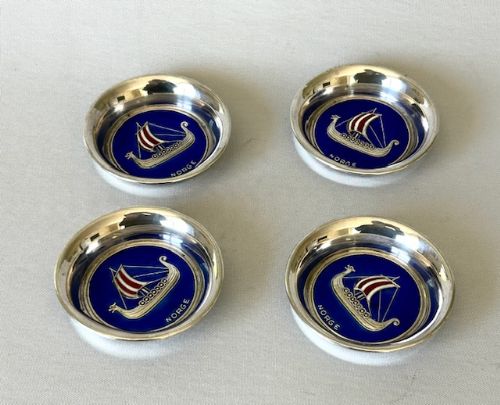
The objects span several decades, reaching from Victorian iterations through Art Nouveau and Art Deco designs into the prominent modernist outputs of the nineteen-fifties and nineteen-sixties. Buyers encounter circle brooches, bar pins, and specific figural forms alongside occasional groupings of trinket dishes utilising the same metal and glass techniques.
How they were made
Silversmiths constructed these pieces using sterling silver, frequently applying a layer of gold gilt or vermeil over the base metal to enhance the brilliance of the surface. Enamel work forms the core of the technique, utilising vitreous enamel often laid over guilloche patterns that impart a shimmering, engine-turned texture beneath the translucent colour.
Makers shaped the metal into delicate frames for butterfly wings, floral petals, and abstract modernist arrangements. Soldering, chasing, and hand-applied enamelling define the physical construction visible across the various eras.
Tiny metallic antennae catch the light just as real wings might.
What varies in quality
Quality rests primarily in the crispness of the guilloche engraving beneath the translucent enamel and the precision of the underlying metalwork. Pieces with deep, even colour saturation and intact gilding demonstrate superior execution compared to simpler, flat enamel applications.
The distinction also lies in the attribution, where recognised makers implement finer detail in miniature forms like butterfly antennae and structural pin mechanisms. Overall weight, depth of the silver gilt, and complexity of the enamel layering dictate the standing of individual examples.
Aksel Holmsen·David Andersen·Hroar Prydz·Gustav Gaudernack
The Norwegian Silver Pin Glossary
- Guilloche enamel
- Glass powder fused to metal that has been mechanically engraved with a repetitive geometric pattern. This technique creates a shimmering wave effect beneath transparent coloured enamel.
- Silver gilt
- Sterling silver that has been coated with a thin layer of gold. It is also referred to as vermeil or gold vermeil in many Scandinavian pieces.
- Vitreous enamel
- Glass fused to the surface of metal through high-temperature firing. The resulting material provides a durable, glossy coloured finish.
- Mid-Century Modern
- A design movement spanning the middle decades of the twentieth century. It prioritised clean lines, functional forms, and minimalist aesthetic principles.
Norwegian Silver Pin: Frequently Asked Questions
How do I clean enamel safely?
Use a soft, dry microfibre cloth to remove surface dust from the silver and enamel surfaces. Avoid liquid chemical dips, ultrasonic cleaners, and abrasive cloths that can damage the glass and remove the silver gilt.
Store pieces individually in soft pouches to prevent scratching between the metal and enamel components. Gentle care preserves the original finish.
Are these pins marked?
Many examples bear maker marks, silver purity stamps such as 925, and country origins on the reverse. These small hallmarks often appear near the pin hinge or clasp.
Some older or smaller pieces might carry minimal stamps due to space constraints on miniature brooches. Magnification assists in reading the maker initials and standard assay marks.
How were butterfly brooches worn?
Wearers pinned them to lapels, collars, hats, and scarves as decorative accents during the mid-century period. Their vibrant colours complemented tailored wool coats and simple dresses.
Today, collectors style them similarly on modern knitwear or lapels. Secure catch mechanisms ensure the small pins stay firmly in place during daily wear.
What defines Scandinavian design?
Scandinavian design emphasises functional simplicity, clean geometry, and a connection to natural forms. In silverwork, this translates to stylised flora and fauna rendered with restraint.
The aesthetic combines traditional craftsmanship with forward-looking modernist principles, particularly evident in pieces produced during the nineteen-fifties and nineteen-sixties.