





Northern Art Painting
Northern art painting brings together centuries of regional portraiture, industrial townscapes and atmospheric watercolours from British and European traditions.
Northern Art Painting
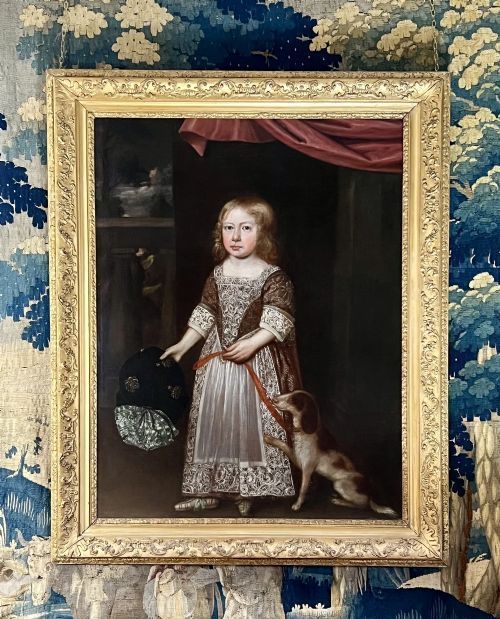
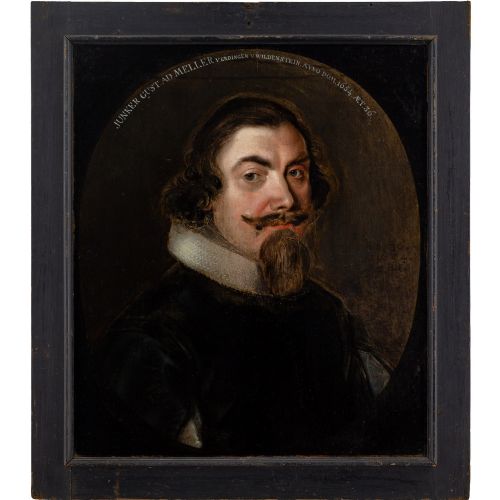
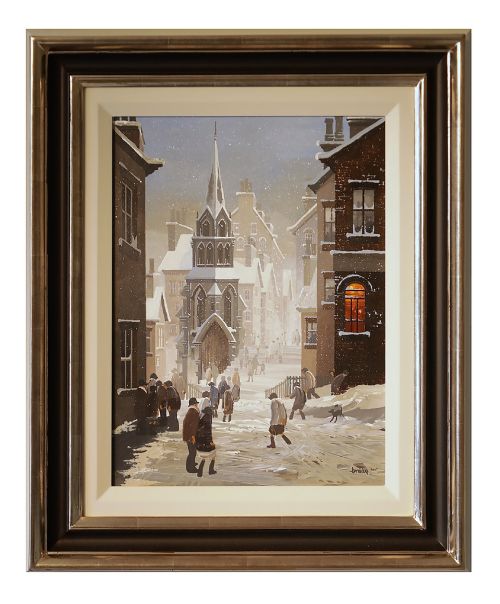
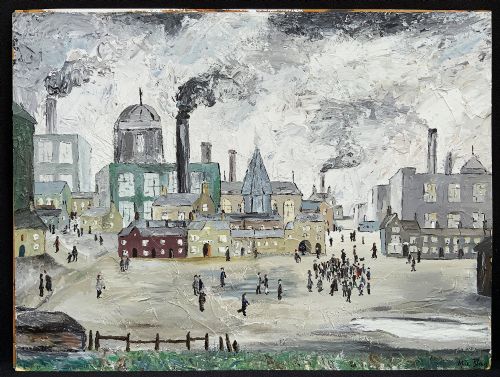
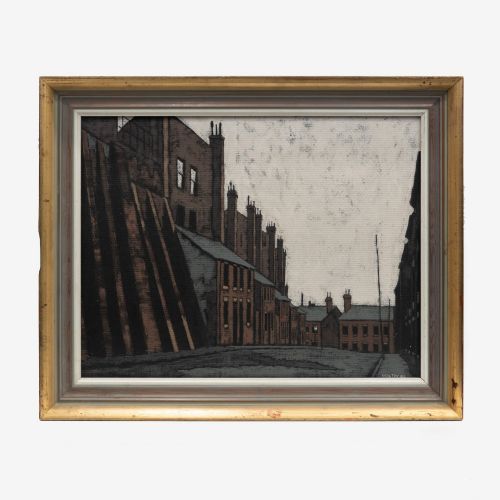
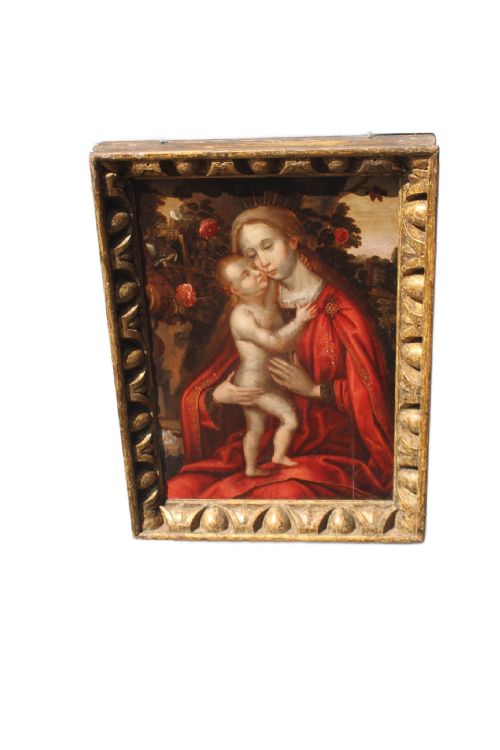
When you examine northern art painting, you encounter a diverse range of works spanning from the seventeenth century through to the modern era. The selection centres heavily on regional British scenes, particularly Yorkshire landscapes and industrial townscapes, alongside historical European portraits and still life subjects.
The most common examples you are likely to meet include twentieth-century watercolours of northern dales and mid-century oil paintings capturing local industrial life. Alongside these modern views, earlier centuries contribute formal portraits and religious subjects executed by continental European schools.
Materials and methods
Artists working within these traditions relied primarily on oil paint applied to canvas, wood panels, or board, as well as watercolour pigments on paper. Canvas and oak panel surfaces provided sturdy foundations for detailed seventeenth-century portraits and flower still lifes, while paper suited the rapid observation required for landscape watercolours.
Framing often complements the visual weight of the work, with period pieces frequently housed in giltwood frames that protect the edges and enhance the depth of the composition.
Northern Art Painting Retail Price Guide 2026
Typical asking prices for northern art painting among the pieces listed under this phrase on Sellingantiques today, from the lower quarter to the upper quarter. They describe what is for sale here now, not the wider market.
Materials recorded across the selection include oil paint, watercolour, canvas, wood, paper, and giltwood.
Judging quality in execution
The distinction between standard works and exceptional examples rests upon the sureness of the brushwork and the artist's command of light and atmosphere. Stronger pieces display confident handling of medium, whether capturing the industrial gloom of a northern townscape or the delicate textures of a seventeenth-century lace collar.
Condition also plays a vital role, with works retaining their original unrestored surfaces and stable supports commanding greater appreciation among collectors.
Brian Shields Braaq·Stuart Walton·Fred Lawson·Rowland Henry Hill·Robert Lesley Howey·Frank Shenton·Donald Wood·Joseph William Carey
The Northern Art Painting Glossary
- Watercolour
- A painting method where fine pigment is suspended in a water-soluble binder, traditionally applied to paper.
- Oil on canvas
- Pigment mixed with drying oil applied to a stretched fabric support, common in professional fine art since the Renaissance.
- Panel painting
- A flat piece of wood, often oak, used as a rigid support for paintings before canvas became dominant.
- Giltwood
- Timber carved and coated with a thin layer of gold leaf, frequently used for traditional picture frames.
Northern Art Painting: Frequently Asked Questions
What defines a northern art painting?
These works encompass regional British landscapes, industrial townscapes, and historical European portraiture spanning several centuries.
The grouping unites distinct geographical schools and painting traditions under a shared regional focus.
How should I care for these watercolours?
Watercolours on paper require protection from direct sunlight to prevent fading of the delicate pigments over time.
Keeping them behind UV-filtering glass and away from damp environments ensures the paper and pigments remain stable.
How do I identify the age of a painting?
Dating relies on examining the stretcher construction, canvas type, panel preparation, and the artist's documented working period.
Stylistic conventions and framing methods also offer clear indicators of whether a piece originates from the seventeenth century or the mid-twentieth century.
Where were these paintings displayed originally?
Earlier portraits and still lifes typically hung within formal domestic interiors and institutional settings across Britain and northern Europe.
Later topographical watercolours and townscapes were created for collectors and local patrons documenting their surrounding countryside and expanding industrial towns.