




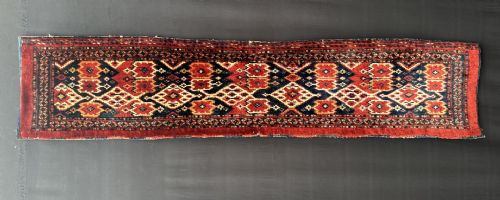
Nomadic Camel Trapping
These nomadic camel trapping pieces are tribal textiles woven for ceremonial livestock adornment, sought after by collectors for their rich indigenous artistry.
Nomadic Camel Trapping
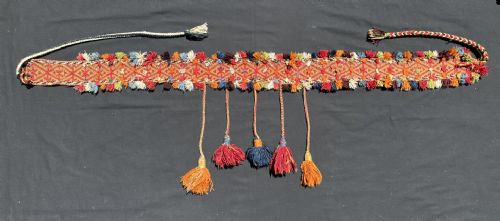
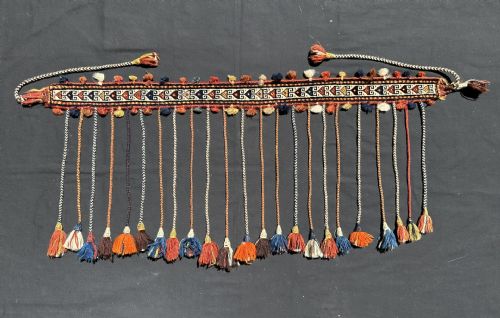
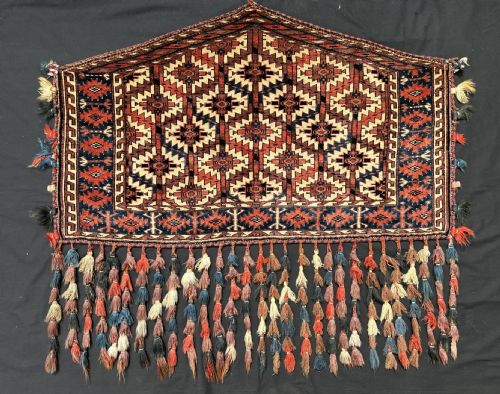
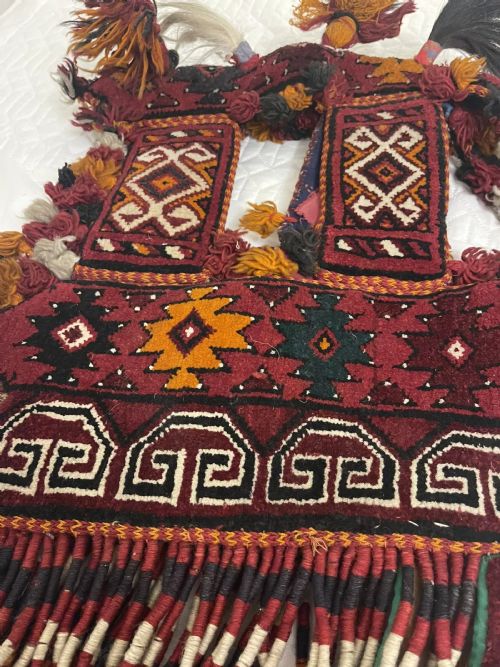
When you search for nomadic camel trapping, you encounter tribal textiles created across Central Asia and Persia. These pieces include asmalyks, torbas, dizlyks, and neck dress garments used in wedding ceremonies.
The objects stem from specific nomadic groups such as the Yomut, Ersari, and Saryk tribes of Turkmenistan, as well as the Qashqa'i nomads of the Fars province in South-West Persia.
You are most likely to meet wall hanging formats and rug-like textile pieces dating from the late nineteenth century around 1870 to 1900.
Materials and construction methods
The construction relies fundamentally on wool woven alongside cotton foundations, utilising natural dyes to achieve deep regional colour palettes.
Certain specific examples incorporate silk highlights and detailed embroidery across the face of the textile to elevate the visual texture.
Nomadic Camel Trapping Retail Price Guide 2026
Typical asking prices for nomadic camel trapping among the pieces listed under this phrase on Sellingantiques today, from the lower quarter to the upper quarter. They describe what is for sale here now, not the wider market.
Camels dressed finer than the guests.
Assessing quality in tribal weavings
Quality rests upon the precision of the tribal designs, such as the Aishk Gul or Salor Shemle motifs, and the clarity with which natural dyes are rendered.
The presence of supplementary materials like silk highlights and the overall integrity of the wool foundation differentiate standard tribal utility items from exceptional ceremonial weavings.
The Nomadic Camel Trapping Glossary
- Asmalyk
- A large pentagonal trapping traditionally hung on the flanks of a bride's camel during Turkmen wedding processions.
- Torba
- A small storage bag or trapping woven by tribal groups, often featuring distinct gul motifs.
- Dizlyk
- Knee covers or leg trappings used in ceremonial animal decoration by Yomut tribes.
- Gul
- A repeating medallion or floral-like octagonal motif characteristic of Turkmen and Central Asian tribal weaving traditions.
- Fars Province
- A region in South-West Persia associated with Qashqa'i nomadic textile production.
Nomadic Camel Trapping: Frequently Asked Questions
How were these trappings used?
Nomads used these textiles to adorn camels and horses during important tribal wedding ceremonies and festive occasions.
Pieces like asmalyks hung on the flanks, whilst torbas served as functional bags or tent decorations.
How do I date these textiles?
Dating relies on stylistic analysis of tribal motifs, natural dye palettes, and structural characteristics typical of the late nineteenth century.
Most surviving pieces originate from the period between 1870 and 1900.
How should I display them?
These textiles function primarily as wall hangings due to their intricate wool construction and historical ceremonial purpose.
Proper mounting ensures the delicate cotton and wool foundations remain protected from strain.