




Nineteenth Century Wooden Carvings
Nineteenth century wooden carvings bring character and craft into a room, offering everything from Black Forest bears to detailed animal figures.
Nineteenth Century Wooden Carvings
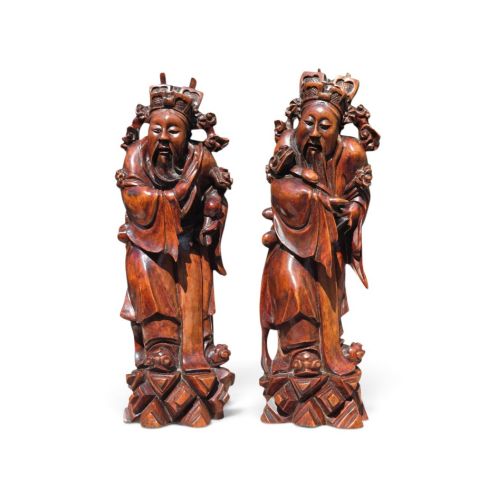
Nineteenth century wooden carvings encompass a diverse array of sculptural objects, decorative figures, and utilitarian items produced across various global traditions during the 1800s. These pieces range from folk art treen and tradesman figures to European Black Forest animal sculptures and Asian hardwood statues.
Originating from workshops in Europe, Britain, and Asia, these items reflect both domestic utility and high-status display. Buyers select them for their tactile qualities, distinct regional styles, and the individual hand of the carver visible in each surface.
Materials and Construction
Carvers utilised a variety of timbers depending on regional availability and the intended detail of the piece, employing dense hardwoods such as oak, ebony, teak, and fruitwood alongside softer woods like pine and linden wood. These materials were shaped using traditional chisels and gouges to achieve both robust architectural forms and delicate animal fur or feather textures.
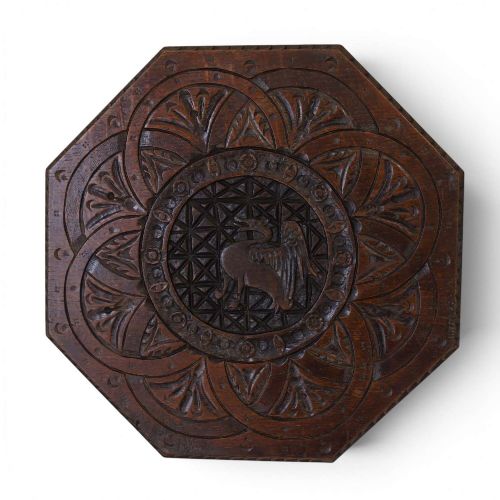
Surface treatments varied from polished natural grain and incised line decoration to punchwork and polychrome paint applications. Inlays of contrasting materials or the addition of glass eyes further enhanced the realism and decorative impact of specific sculptural forms.
The inventory records pieces spanning the nineteenth century, including specific dates from 1800 through the 1880s and 1890s.
Assessing Quality and Execution
Quality in nineteenth century wooden carvings rests primarily upon the anatomical accuracy, depth of relief, and vitality expressed by the carver. Superior pieces display confident handling of the timber grain and anatomical structure, whereas lesser examples rely on stiff repetition and shallow detailing.
The preservation of original surface finishes, from aged fruitwood patination to intact polychrome paint, distinguishes pieces that retain their historical integrity from those altered or overly restored over time. Finer execution is evident in the sharpness of incised decoration, clean punchwork, and the harmonious integration of functional elements like match dispensers or inkwells.
The Nineteenth Century Wooden Carvings Glossary
- Treen
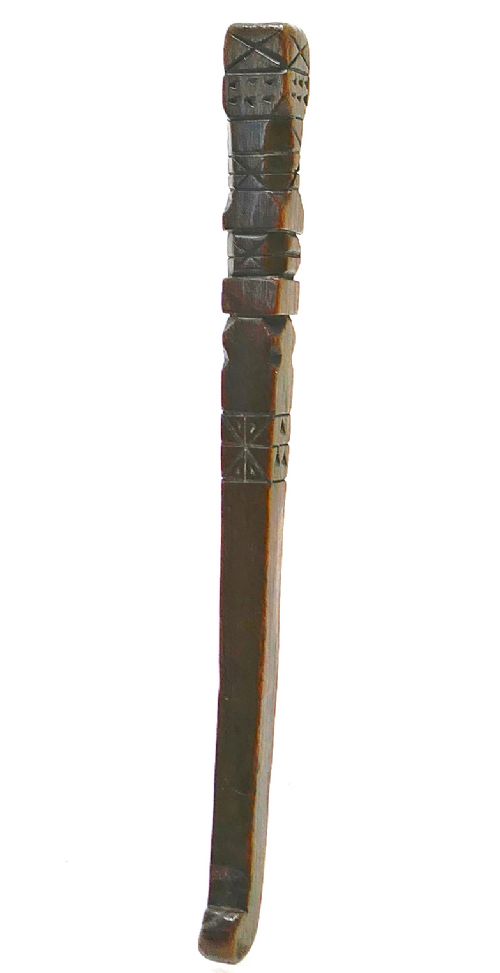
- Small handmade wooden domestic objects produced before the widespread use of plastics. These items include utilitarian pieces like knitting sheaths and small boxes.
- Black Forest
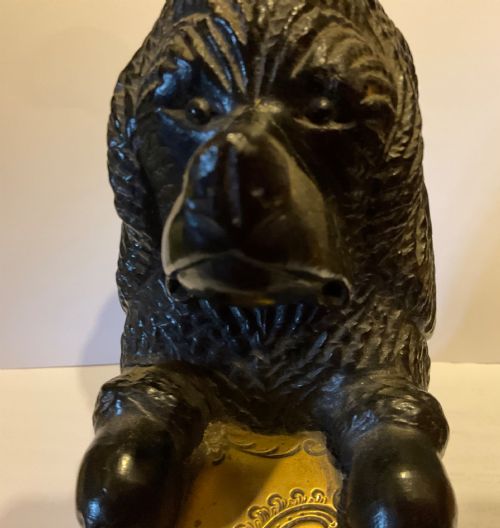
- A style of wood carving originating from the Brienz region of Switzerland and the Black Forest in Germany. It is characterised by realistic depictions of animals, particularly bears and forest fauna.
- Lovespoon
- A traditionally carved wooden spoon presented as a token of romance and affection. These pieces often feature intricate openwork, linked chains, and geometric motifs.
- Match Dispenser
- A functional container designed to hold safety matches for domestic use. They frequently take whimsical or figural forms, such as animals or human characters.
- Tradesman Figure
- A carved representation of a specific merchant, occupation, or street vendor used for commercial display. These figures record period costume and trade implements.
Nineteenth Century Wooden Carvings: Frequently Asked Questions
What woods were commonly used?
Carvers worked with a wide selection of local and exotic timbers, choosing the material to suit the style and function of the object. Oak, fruitwood, pine, teak, ebony, and linden wood appear regularly across different regional traditions.
Softer woods like linden and pine allowed for deep, expressive animal and figural carving, while dense hardwoods provided durability for functional items and intricate Asian sculptures.
How do I care for antique carvings?
Maintaining wooden carvings involves protecting them from direct sunlight, extreme temperature fluctuations, and sudden changes in humidity. These environmental controls prevent the timber from drying out, cracking, or warping over time.
Dusting with a soft, dry cloth is usually sufficient for routine upkeep. Avoid applying modern liquid polishes or silicone-based cleaners, which can build up on the surface and dull the original patina.
Are these pieces signed by carvers?
Signatures, makers' marks, or workshop stamps are uncommon on nineteenth century wooden carvings. Most pieces were produced anonymously as commercial goods, folk art, or regional souvenirs without individual attribution.
Instead of signatures, collectors identify origins through stylistic traits, carving techniques, timber types, and specific regional motifs associated with known manufacturing centres.
Where were Black Forest carvings made?
Black Forest carvings originated primarily in the mountainous regions of Switzerland, particularly Brienz, and the adjoining Black Forest area in Germany. These workshops specialised in detailed animal sculptures designed for the burgeoning tourism market.
Exported widely during the Victorian era, these pieces often depicted bears, dogs, and stags integrated into furniture, umbrella stands, and desktop accessories.