

Nineteenth Century Wood Chairs
Nineteenth century wood chairs bring enduring craftsmanship and varied regional character into daily domestic life.
Nineteenth Century Wood Chairs
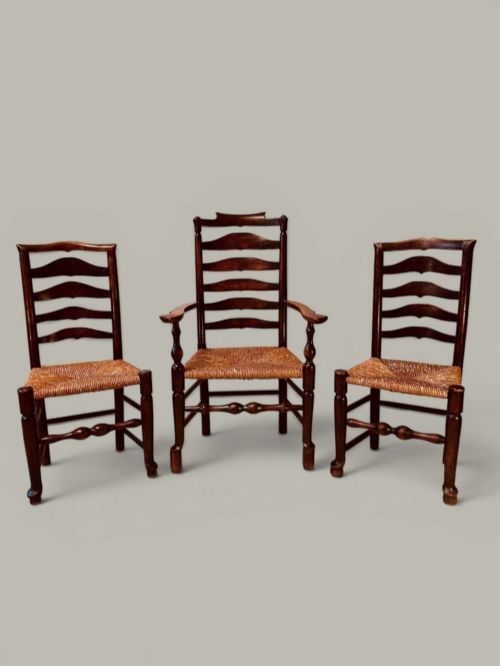
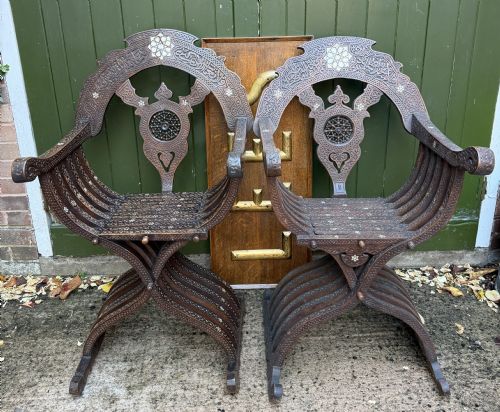
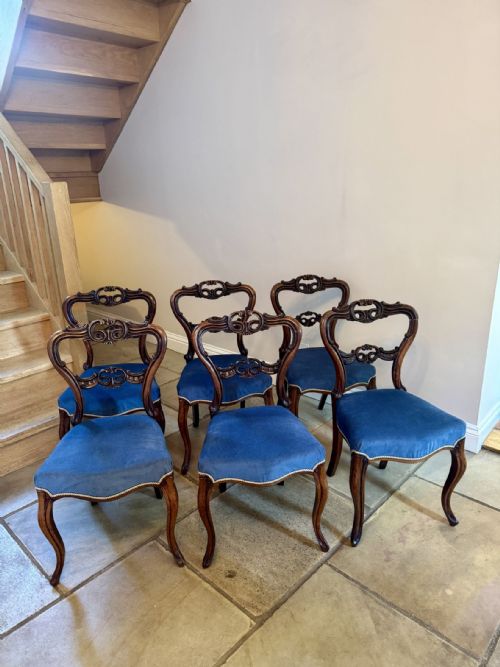
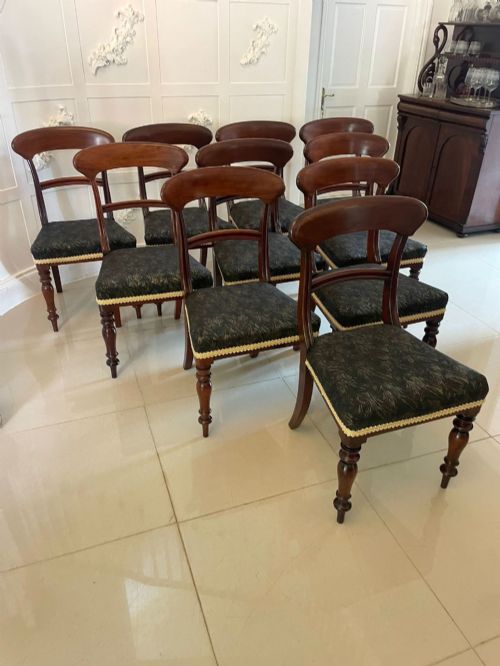
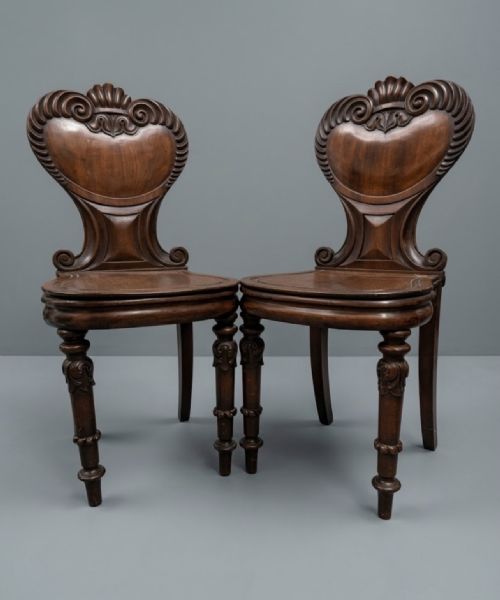
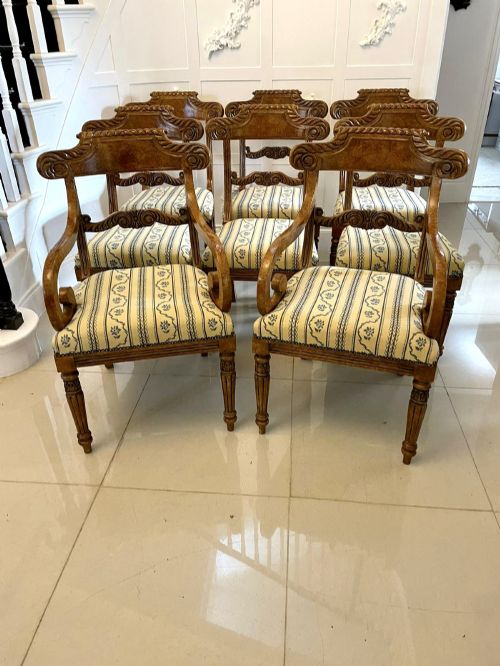
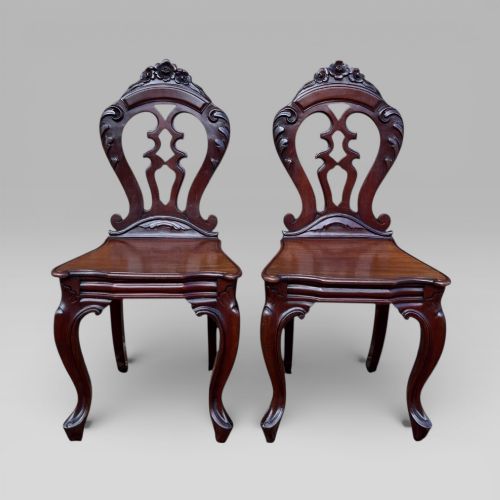
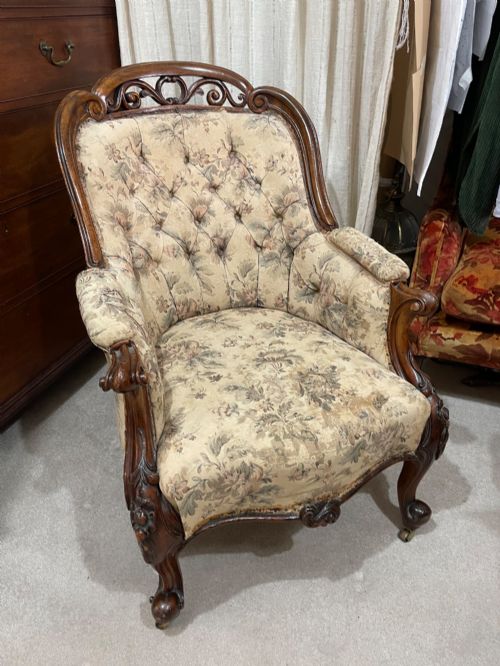
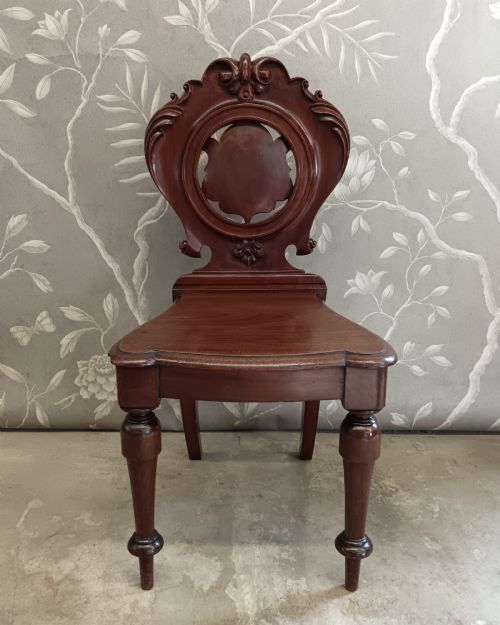
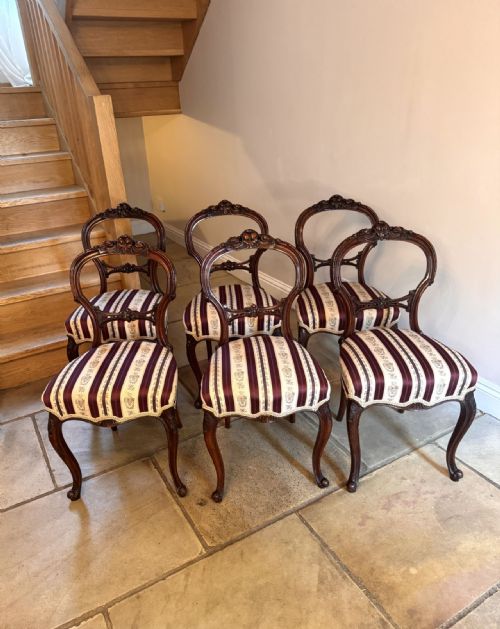
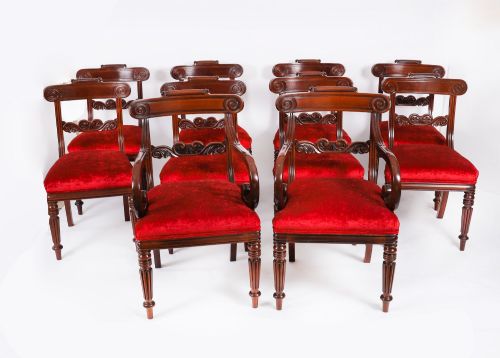
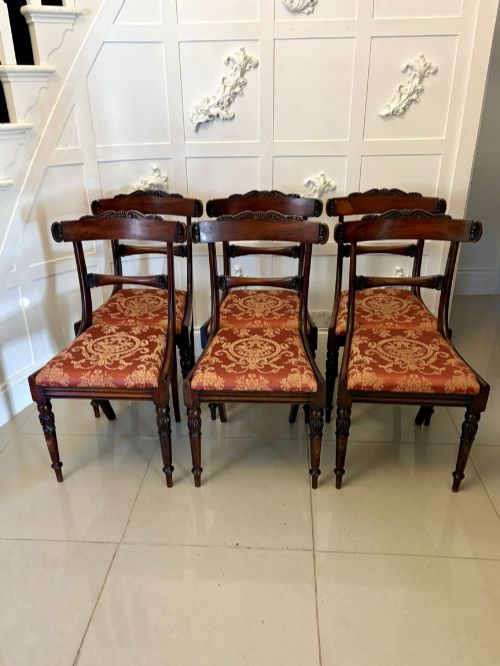
Nineteenth century wood chairs encompass a wide variety of domestic seating forms, including formal dining sets, side chairs, hall chairs, and robust country armchairs. Buyers exploring nineteenth century wood chairs encounter pieces spanning the Regency, William IV, and Victorian periods, alongside regional vernacular styles.
Origins stretch from urban cabinet makers working in refined hardwoods to country bodgers and local joiners utilising native timber. This breadth allows collectors to source matching dining sets or distinct individual parlour and reading chairs.
How they were made
Cabinet makers and rural joiners relied on a combination of dense imported hardwoods like Cuban mahogany and rosewood alongside indigenous woods such as elm, ash, and beech. Turning, steam-bending, and mortise and tenon joinery provided the structural integrity required for heavy daily service.
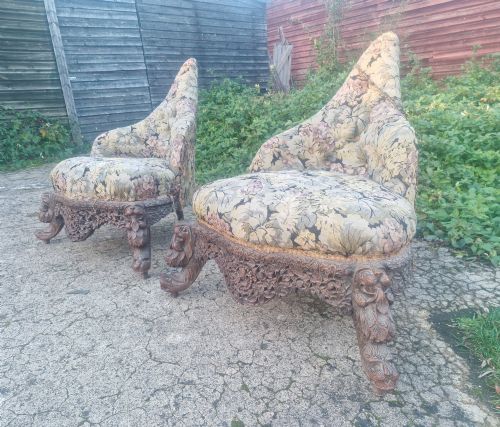
Surface decoration involved hand carving, inlay, cane weaving, and applied faux finishes such as simulated rosewood or birds eye maple. Upholstery techniques incorporated horsehair stuffing and durable fabric or leather coverings fixed over traditional webbing.
Nineteenth Century Wood Chairs Retail Price Guide 2026
Typical asking prices for nineteenth century wood chairs among the pieces listed under this phrase on Sellingantiques today, from the lower quarter to the upper quarter. They describe what is for sale here now, not the wider market.
Listings feature multiple timber species, including mahogany, rosewood, walnut, ash, elm, and oak across various nineteenth century periods.
What varies in quality
Quality depends upon the selection of timber, the crispness of hand-carved details, and the integrity of the underlying joinery. Superior examples maintain original structural components and untouched timber patination developed over generations of use.
Variations also appear in the scale of matched sets and the precision of turning in vernacular stick backs. Workshops utilising high-grade flame mahogany or rosewood achieved a refined finish distinct from simpler utility seating.
Philip Clissett·C. Hindley and Sons·Liberty and Co·Duncan McKellar·Gillows
The Nineteenth Century Wood Chairs Glossary
- Vernacular
- Objects made by regional craftspeople using local materials and traditional methods without formal academic design oversight. This term frequently describes country armchairs and Windsor forms.
- Balloon back
- A rounded, closed chair back shaped like a balloon, popular during the Victorian era. This contour provided ergonomic support for dining seating.
- Carver
- An armchair designed to match a set of single dining chairs, typically placed at the head of a table. These often feature open arms curved for comfort.
- Stick back
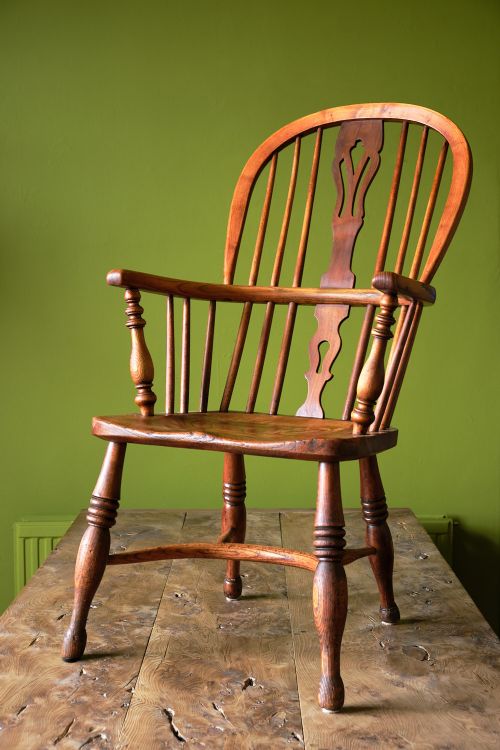
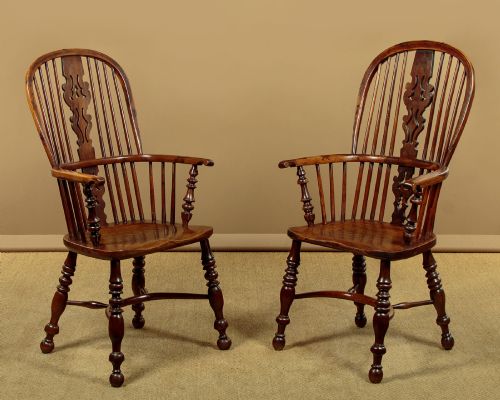
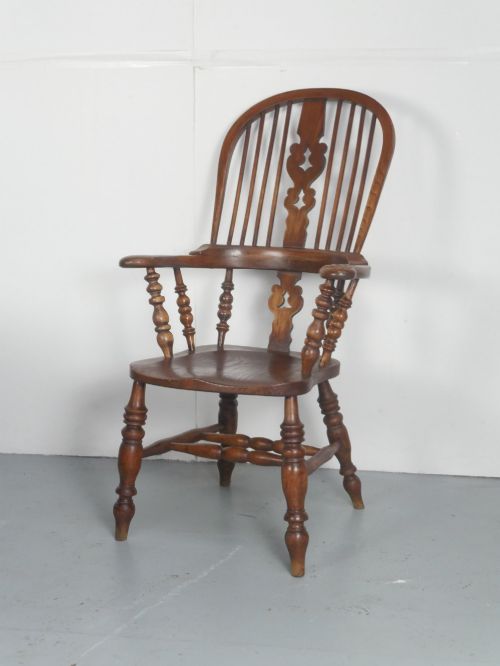
- A chair construction where turned spindles are inserted directly into a solid wooden seat. This method underpins many traditional country armchairs and Windsor designs.
- Patina
- The surface sheen and colour developed by wood and finish through age and handling. A rich patina indicates long-term organic wear without harsh restoration.
Nineteenth Century Wood Chairs: Frequently Asked Questions
How do I date a wooden chair?
Dating relies on identifying specific stylistic markers, timber choices, and construction methods characteristic of periods like Regency or Victorian. Examining tool marks and joinery under the seat often reveals the manufacturing era.
Changes in turning styles and upholstery foundations also help narrow down the decade of production.
Are these chairs suitable for daily dining?
Many nineteenth century dining chairs remain structurally sound for regular household use. Selecting hardwood frames with solid joints ensures long-term reliability.
Proper maintenance of the timber and occasional re-webbing of upholstered seats keeps them functional.
What is a Windsor chair?
A Windsor chair is a form featuring a solid wooden seat into which the legs, back staves, and bow are independently fitted. Elm and ash were traditionally chosen for strength and flexibility.
These pieces were produced in various regional English workshops for farmhouse and tavern use.
How should I care for antique wood?
Maintaining antique wood requires keeping pieces away from direct heat sources and rapid humidity shifts. Applying traditional beeswax helps nourish the grain without building up heavy residue.
Gentle dusting with a soft dry cloth prevents abrasive particles from dulling the original surface finish.