





Nineteenth Century Nursery
Nineteenth century nursery pieces are tactile domestic survivals that bring genuine historic character and charm to a modern interior.
Nineteenth Century Nursery
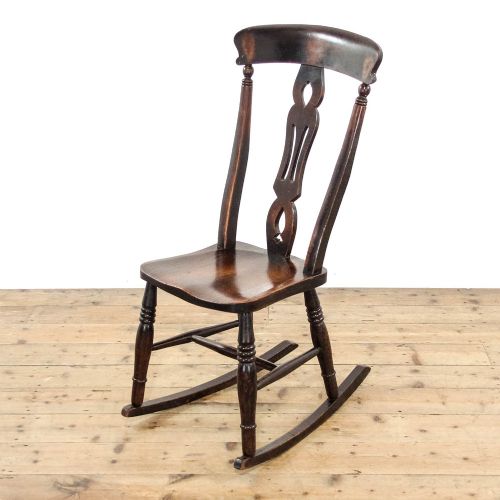
The objects recorded here span the Victorian era, the Aesthetic Movement, and the broader nineteenth century, reflecting both country vernacular traditions and more refined parlour styles. Forms range from utilitarian elm and ash chairs to decorative earthenware mugs and watercolours.
Mugs and cups featuring alphabet designs or animal motifs sit alongside handcrafted wooden rattles and child rocking chairs. These pieces offer a direct connection to domestic life of the period, combining everyday utility with folk art appeal.
Materials and construction
Makers utilised native timbers such as elm, ash, beech, and mahogany, shaping them into sturdy chairs and high chairs using traditional vernacular joinery. Painted surfaces, original pigments, and ebonised finishes appear frequently on both wooden furniture and early rocking horses.
Ceramic items are represented by earthenware and pottery mugs decorated with transfer-printed or hand-painted alphabets and animal subjects. Works on paper include watercolours framed for domestic display.
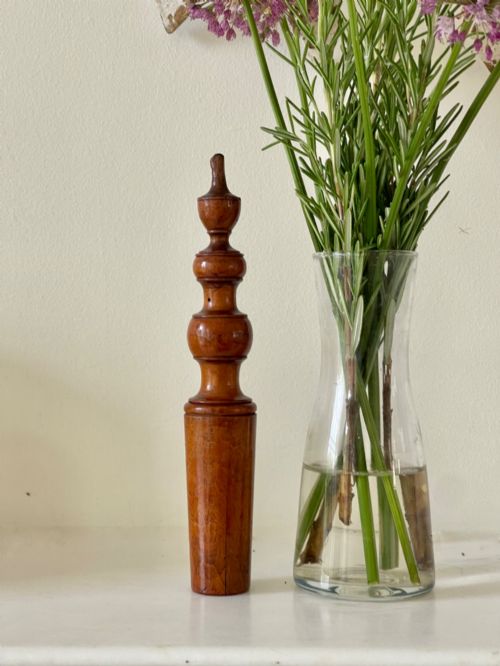
Treen objects demonstrate traditional wood-turning techniques applied to small toys like rattles, while bamboo provides a lighter, exotic structural option for highchairs influenced by the Aesthetic Movement.
Nineteenth Century Nursery Retail Price Guide 2026
Typical asking prices for nineteenth century nursery among the pieces listed under this phrase on Sellingantiques today, from the lower quarter to the upper quarter. They describe what is for sale here now, not the wider market.
A tiny wooden rattle made as a treen toy survives alongside full-sized rocking horses.
Understanding quality and survival
Quality in these domestic objects rests primarily on the degree of original surface preservation, such as untouched paint on rocking horses or clean patination on unpainted wood. Pieces that retain their genuine early character without heavy restoration command greater interest.
Structural integrity matters significantly in seating and high chairs, where daily use by children often led to repairs, replacement parts, or structural wear. Finer examples display harmonious proportions and careful selection of timber by the maker.
The Nineteenth Century Nursery Glossary
- Treen
- Small handmade wooden domestic objects and treen collectables. These functional items were carved or turned for household use.
- Windsor chair
- A wooden chair construction where the legs and back spindles are fitted directly into a solid sculpted seat. This method creates a sturdy and resilient piece of vernacular furniture.
- Aesthetic Movement
- A late nineteenth century design style that emphasised artistic visual qualities over moral or narrative purpose. Pieces from this movement often feature ebonised wood or bamboo.
- Vernacular
- Everyday objects made by local craftsmen following regional traditions rather than high-style academic designs. English country vernacular furniture prioritises practical utility and local materials.
- Earthenware
- Porous pottery fired at lower temperatures and typically glazed. It forms the material basis for many nineteenth century nursery mugs and cups.
Nineteenth Century Nursery: Frequently Asked Questions
What items belong in a nineteenth century nursery?
A nineteenth century nursery collection typically includes child-sized seating such as Windsor chairs, high chairs, and rocking chairs, alongside rocking horses.
Smaller domestic items also feature, including treen toys like rattles, earthenware mugs with alphabet designs, and period watercolours.
How do I care for antique wooden children's chairs?
Keep wooden seating out of direct sunlight and away from rapid temperature fluctuations to prevent the timber from drying out or splitting.
Dust the surface gently with a dry cloth and avoid applying modern chemical polishes that can damage historic patination.
Are painted surfaces on rocking horses original?
Many nineteenth century rocking horses preserve their original paint, which appears as worn layers of pigment and surface crackle developed through age and use.
Examining the paint under magnification helps determine whether the surface finish dates to the original period of manufacture.
What is an Aesthetic Movement highchair?
An Aesthetic Movement highchair incorporates design elements inspired by Japanese and other non-Western decorative arts popular during the late nineteenth century.
These pieces often utilise bamboo construction or ebonised wood surfaces rather than traditional English hardwoods.
How were ceramic mugs used in the nursery?
Children's mugs and cups served as practical tableware while frequently incorporating educational motifs such as alphabets and animal illustrations.
Earthenware mugs of this type were manufactured to engage young children during meals and teach basic literacy.