

Nineteenth Century French Desk
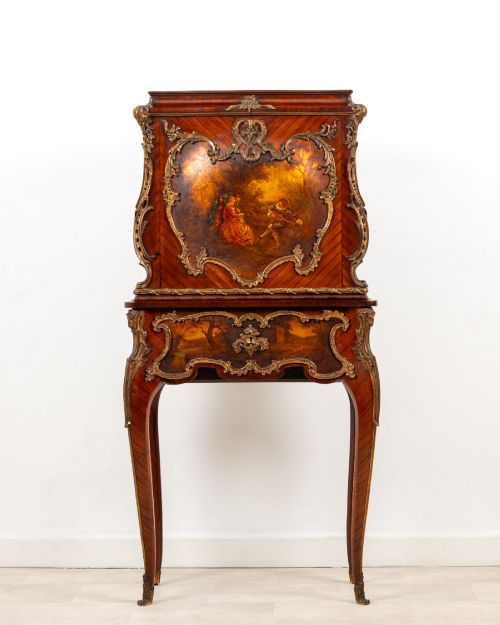
A nineteenth century french desk brings warmth and architectural precision to a room through fine timbers and gilt mounts.
Nineteenth Century French Desk
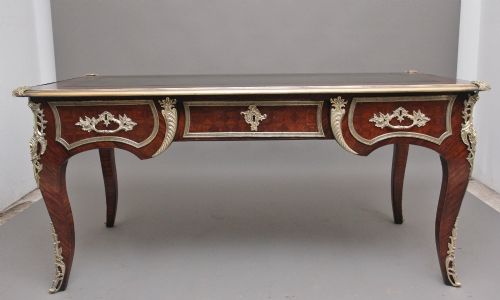
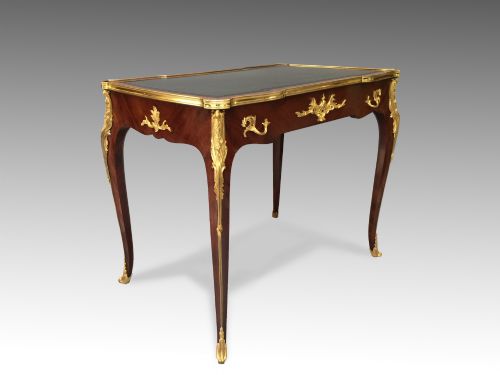
A nineteenth century french desk encompasses refined writing tables, bureau plats, and compact writing cabinets designed for domestic utility and formal display. These pieces demonstrate the persistence of historical revival styles throughout the period, notably Louis XV and Empire aesthetics.
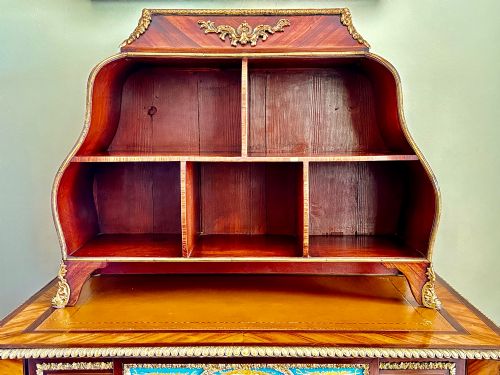
The version most commonly encountered on this page is the freestanding bureau plat or the smaller bonheur du jour, frequently constructed with shaped wooden carcases and intricate metal mounts. These forms reflect the changing domestic requirements of nineteenth-century households across various decades.
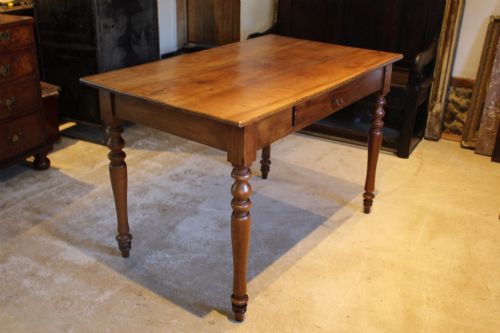
Makers and retailers adapted classical silhouettes to suit contemporary interiors, incorporating diverse woods and decorative plaques into functional writing furniture. The selection ranges from modest provincial oak tables to elaborate kingwood pieces adorned with porcelain panels.
Construction and Materials
Carpenters built these desks using foundational carcases of oak, walnut, or mahogany, veneered with decorative exotic timbers like kingwood, rosewood, amboyna, and tulipwood. This veneering technique allowed artisans to create striking geometric patterns and contrasting grain effects across flat surfaces and curved fronts.
Ormolu and gilt bronze mounts were cast, chased, and fire-gilt before being secured to corners, legs, and aprons to define the structural lines. Leather writing surfaces, often tooled with gold leaf, were inset into the tops of bureau plats and writing tables to provide a durable workspace.
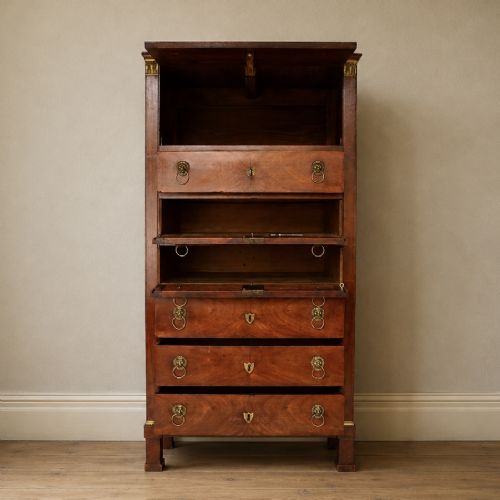
Porcelain plaques, vernis martin panels, and marble tops appear as supplementary decorative elements, integrated into the cabinetry with precision joinery. Brass hardware and locks completed the functional assembly of drawers and drop-front writing compartments.
Some nineteenth-century French desks incorporate hidden compartments behind secret spring-loaded panels for storing private correspondence.
Assessing Quality
Quality rests upon the crispness of the bronze or ormolu casting and the depth of hand-chasing applied to the metal mounts after casting. Superior examples display sharp definition in foliage and figural details, whereas lesser pieces show softened edges and superficial finishing.
The selection of timber veneers and the precision of their matching across drawer fronts and tops distinguish finer workshops from standard production. Cabinetmakers who employed thicker veneers and meticulous internal construction ensured greater stability and longevity for the piece.
The integration of secondary materials, such as hand-painted porcelain plaques or genuine tortoiseshell and marble, indicates higher artisanal ambition. Original hardware, keys, and integrated mechanisms further separate standard items from exceptional survivals.
François Linke·Edwards and Roberts·Achille Brocot·Antoine Redier·Tiffany
The Nineteenth Century French Desk Glossary
- Bureau plat
- A freestanding writing table fitted with drawers across the frieze, typically finished on all sides for placement in the centre of a room.
- Bonheur du jour
- A light lady's writing desk featuring a small cabinet or set of pigeonholes and drawers mounted upon the upper surface.
- Ormolu
- Gilt bronze ornamentation applied to furniture and clocks, produced by fusing an amalgam of gold and mercury onto a bronze base through heat.
- Kingwood
- A dense, heavily figured tropical timber prized by cabinetmakers for its rich dark brown colouring and distinctive pale golden striping.
- Cartonnier
- A set of papier-mâché or leather-covered document boxes housed within a decorative cabinet, often matching the style of an associated desk.
Nineteenth Century French Desk: Frequently Asked Questions
What is a bureau plat?
A bureau plat is a double-sided writing table designed to stand away from the wall in the middle of a room.
These tables typically feature three frieze drawers and an inset leather writing surface framed by wooden borders.
How do I identify a bonheur du jour?
A bonheur du jour is recognised by its compact writing surface surmounted by a small superstructure of drawers and pigeonholes.
Cabinetmakers designed these portable writing desks for ladies' boudoirs during the nineteenth century.
What woods were used for these desks?
Cabinetmakers utilised a foundation of oak, walnut, or mahogany overlaid with decorative exotic veneers.
Kingwood, rosewood, amboyna, and tulipwood provided the distinctive grain patterns visible on the exterior surfaces.
How do I care for an antique leather desk top?
Maintain the leather by keeping it away from direct sunlight and applying a neutral microcrystalline wax periodically.
Avoid using harsh chemical cleaners or excess water when dusting the gilded tooling.