



Neutral Framed Artwork
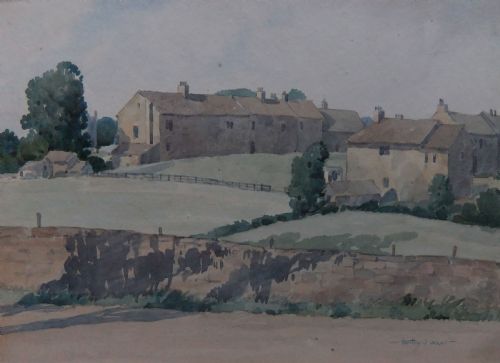
Neutral framed artwork encompasses paintings and watercolours on canvas and paper housed in timber frames, offering subtle tones for modern interiors.
Neutral Framed Artwork
Neutral framed artwork encompasses paintings, watercolours, and wall art produced across the twentieth century, specifically spanning the nineteen-hundreds to the nineteen-sixties. Buyers exploring neutral framed artwork encounter styles ranging from Victorian genre art and impressionism to mid-century modernism and expressionism.
The selections on this page feature subjects such as equestrian scenes, intimate interiors, still lifes, estuary seascapes, and portraits. Works originate from British, French, and international hands, captured in oil paint, watercolour, and oil on canvas.
Mid-century modern and impressionist compositions dominate the selection, frequently paired with wooden frames that complement the muted palettes of the paintings. Each piece offers a distinct glimpse into historical portraiture, landscape, and abstract design.
Materials and techniques
Artists utilise oil paint on canvas and watercolour on paper, applying pigments to create textured surfaces and fluid washes. The support materials range from heavy woven canvas to absorbent artist paper.
Wood provides the structural framing for these works, enclosing the canvas or paper behind glass or in open mounts. The combination of traditional framing timber and layered paint marks the primary method of production across the periods.
Neutral Framed Artwork Retail Price Guide 2026
Typical asking prices for neutral framed artwork among the pieces listed under this phrase on Sellingantiques today, from the lower quarter to the upper quarter. They describe what is for sale here now, not the wider market.
Listings feature works created between nineteen-hundred and nineteen-sixty, utilising canvas, paper, wood, glass, and oil paint.
Assessment of quality
The strength of the composition and the fluidity of the brushwork determine the distinction between standard decorative pieces and accomplished fine art. Mastery of light, form, and medium handling elevates specific works above others.
The preservation of the original paint surface and the sympathetic pairing of the wooden frame influence the overall integrity of the piece. Works that retain their original character without heavy restoration hold greater artistic resonance.
John Rattenbury Skeaping·Caroline Burnett·Baruch Shalom Oskotsky·Helena Maguire·Adrian Heath·Edward M. Elliott·Stanley Orchart
The Neutral Framed Artwork Glossary
- Watercolour
- A painting method where the paints are made of pigments suspended in a water-based solution. It is typically applied to paper surfaces for delicate, translucent effects.
- Canvas
- A heavy woven fabric used as a surface for oil painting. It is usually stretched across a wooden frame before application.
- Impressionism
- A nineteenth and twentieth century style characterised by relatively small, thin yet visible brush strokes. The emphasis focuses on accurate depiction of light and its changing qualities.
- Still life
- A work of art depicting mostly inanimate subject matter, typically commonplace objects. These subjects may be either natural or man-made.
- Provenance
- The chronology of the ownership or location of a historical object. It serves as a guide to authenticity and history.
Neutral Framed Artwork: Frequently Asked Questions
What periods do these artworks represent?
The pieces span from the early twentieth century through the nineteen-sixties. They capture shifts in artistic movement from Victorian genre work to mid-century modernism.
Mid-century examples frequently display abstracted forms and modernist sensibilities. Earlier pieces retain traditional figurative and landscape techniques.
Are the frames original to the paintings?
Frames vary in age and origin, with many selected to complement the era of the artwork. Wooden framing protects the canvas or paper while providing a finished presentation.
Some frames reflect mid-century minimalist design, while others offer more traditional moulded timber profiles.
How should I care for oil and watercolour works?
Oil paintings on canvas benefit from stable indoor humidity and avoidance of direct sunlight. Dusting the surface gently with a soft, dry cloth preserves the pigment.
Watercolours require protection behind glass to prevent moisture damage and fading from ultraviolet light. Hanging them away from direct heat sources ensures longevity.
What subjects are common in these paintings?
The selections include portraits, still lifes of pottery and fruit, estuary seascapes, and animal studies. Abstract compositions and architectural scenes also appear across the decades.
Artists document both intimate domestic interiors and vast outdoor landscapes using oil and watercolour mediums.