



Neutral Seating
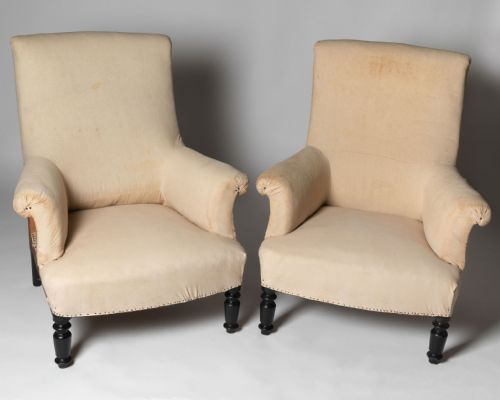
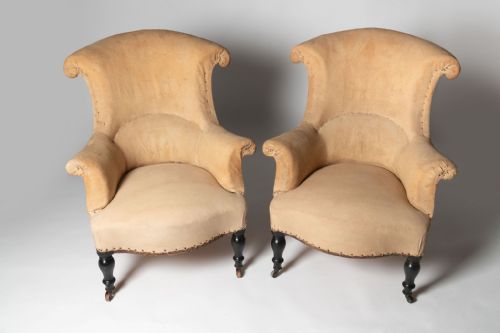
Neutral antique seating brings understated charm to any room, offering versatile historical forms upholstered in calm, muted tones.
Neutral Seating
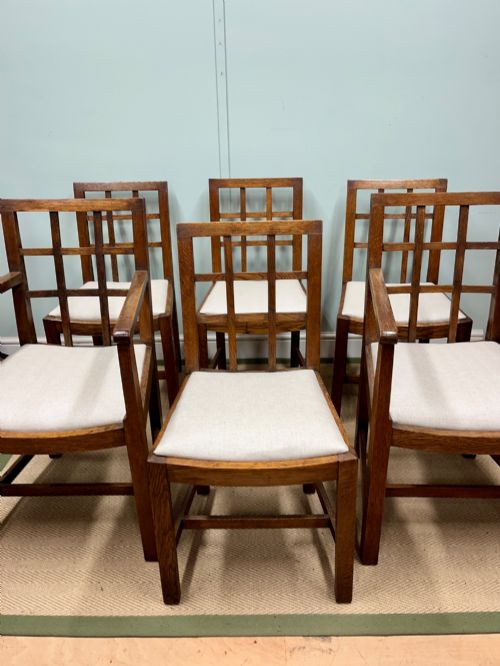
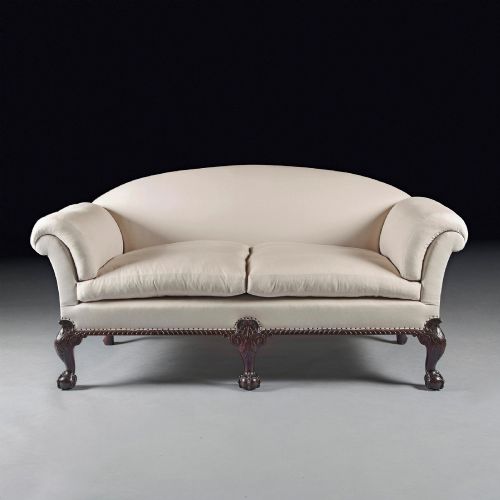
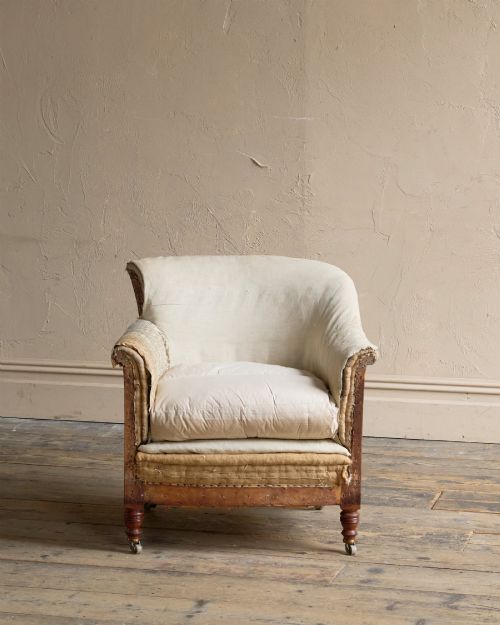
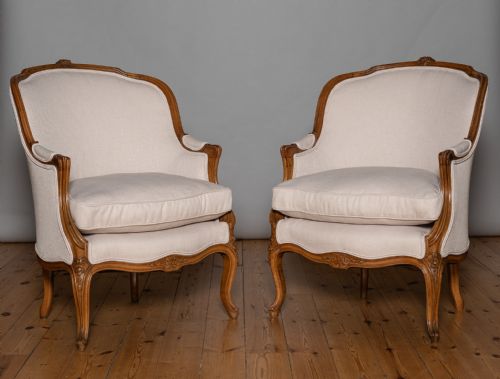
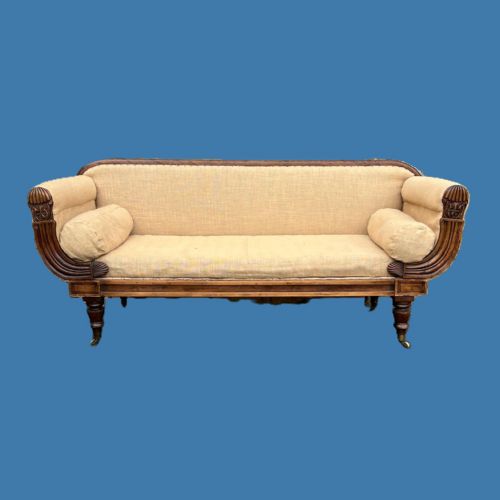
Neutral antique seating encompasses a broad variety of historical chairs, sofas, and stools upholstered in calm, understated fabrics such as linen, calico, tweed, and neutral textiles. These pieces span multiple periods including the 19th Century, Victorian, Edwardian, and George IV eras, reflecting diverse regional origins from English country houses to French chateaus.
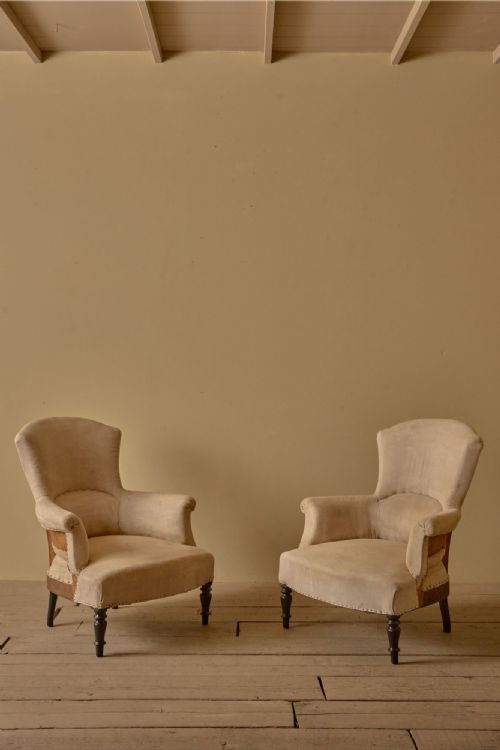
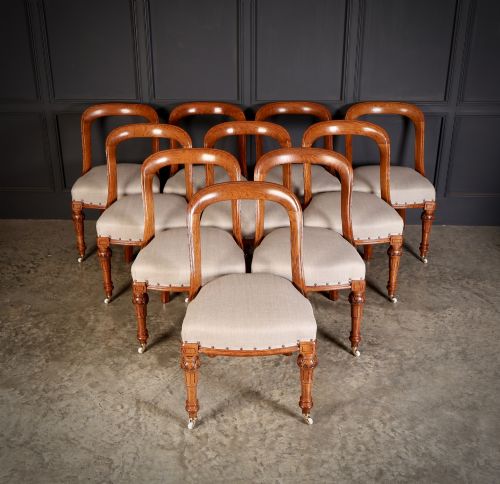
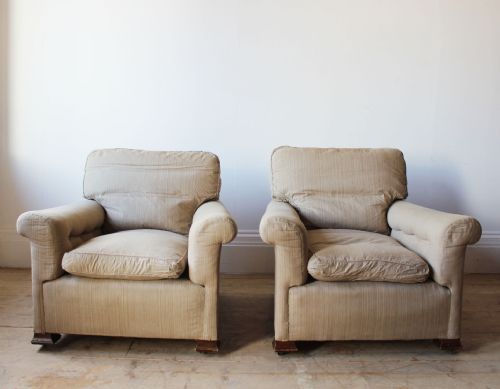
The selections available here lean heavily towards comfortable armchairs, dining chairs, and occasional seating, often rendered in timber, walnut, and oak with subtle brass or metal details. Buyers will frequently encounter classic forms like Napoleon III armchairs, Howard style seating, and club chairs alongside practical dressing table stools.
Each piece bridges functional utility and historic craftsmanship, utilising restrained colour palettes that integrate effortlessly into contemporary and traditional interiors alike. The variety ranges from sturdy oak dining sets to deep-seated fireside chairs designed for lounging.
Materials and Construction
Construction relies primarily on robust hardwoods such as oak, walnut, and simulated rosewood, forming the structural frames of these chairs, sofas, and stools. Joinery techniques from the 19th and early 20th centuries ensure enduring stability, often paired with exposed wooden legs and carved accents.
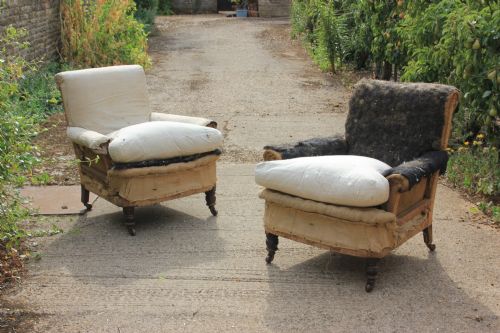
Upholstery relies on traditional textiles including linen, calico, tweed, and various fabrics, fastened over supportive interior padding designed for deep comfort. Metal and brass elements frequently appear as castors, decorative studs, or structural reinforcement on campaign and parlor furniture.
Neutral Seating Retail Price Guide 2026
Typical asking prices for neutral seating among the pieces listed under this phrase on Sellingantiques today, from the lower quarter to the upper quarter. They describe what is for sale here now, not the wider market.
Some Edwardian armchairs are described simply as extremely comfy, proving Victorian and Edwardian makers prioritized cozy lounging just as much as we do.
Assessing Quality and Craftsmanship
Quality in neutral antique seating is determined by the integrity of the wooden frame and the precision of the joinery beneath the upholstery. Finer examples exhibit superior carving, well-seasoned timbers that resist warping, and robust internal springing systems that maintain structural support over decades.
The choice of covering material and the neatness of the upholstery work also distinguish superior pieces. Examples featuring higher-grade natural linen, tightly woven tweed, or meticulous fabric matching demonstrate a higher standard of restoration and original execution.
Trollope and Sons
The Neutral Seating Glossary
- Campaign sofa
- A portable type of seating designed for travel during the 19th century, typically featuring clever folding mechanisms and sturdy frames.
- Napoleon III
- A French design style spanning the mid to late 19th century, known for ornate frames, comfortable padding, and eclectic revival influences.
- Howard style
- A classic British armchair design originating in the 19th century, celebrated for deep, relaxed seating and rolled arms.
- Simulated rosewood
- A decorative wood finishing technique where common timber is painted or stained to imitate the rich grain and colour of genuine rosewood.
- Wing armchair
- A traditional seating form featuring protective side panels designed to shield the occupant from drafts.
Neutral Seating: Frequently Asked Questions
What periods do these pieces date from?
The listings encompass items primarily originating from the 19th century, including specific eras like Victorian, Edwardian, and George IV.
Each period brings distinct stylistic nuances, from ornate French chateau influences to sturdy English country house furniture.
How do I choose the right armchair?
Consider the intended use, whether for formal parlor seating or deep relaxation by the fireside in an Edwardian or Victorian style.
Scale and frame material, such as walnut or oak, will guide how the chair fits within your existing interior layout.
Are these chairs suitable for daily use?
Many of these historical seats, particularly deep-seated Edwardian and club styles, were built for comfort and robust everyday living.
Sound internal framing and supportive upholstery ensure they remain practical additions to modern homes.
What fabrics are typically used?
Upholstery materials often include neutral textiles such as calico, linen, tweed, and plain fabric coverings.
These understated textures allow the historic frames and forms of the chairs and sofas to remain the focal point.