





Neoclassical Lion Sculptures
Neoclassical lion sculptures bring classical authority and grand scale to a room, channelling centuries of antique tradition.
Neoclassical Lion Sculptures
These neoclassical lion sculptures draw directly from ancient Roman and Italian precedents, often acquired by travellers undertaking the Grand Tour. The listings here showcase figures spanning the Georgian era through to the early twentieth century.
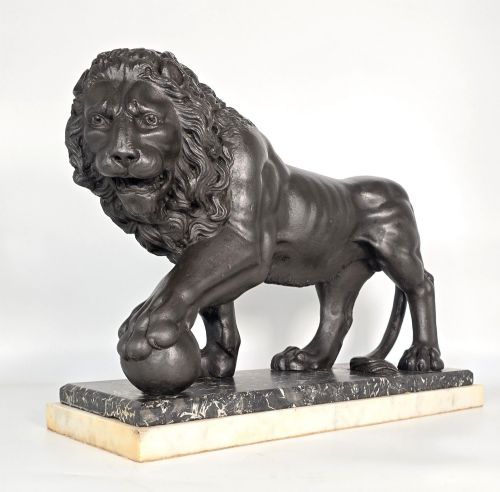
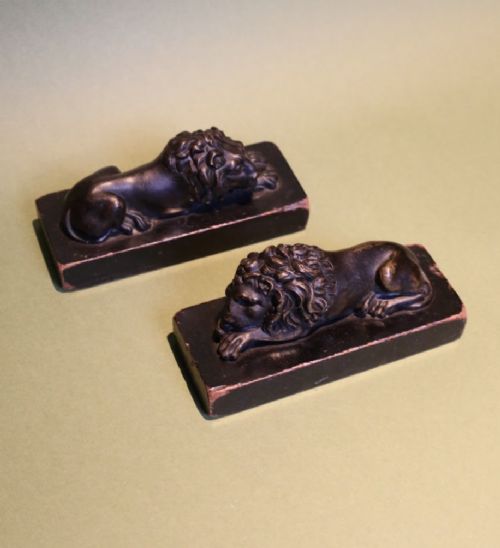
Buyers will encounter various interpretations, including pairs modelled on the famous Canova lions and the Medici lions of Florence. Materials range from solid marble and serpentine to patinated bronze and carved stone.
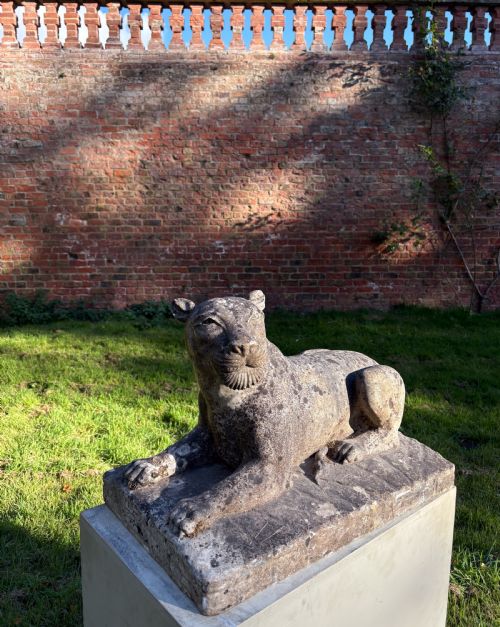
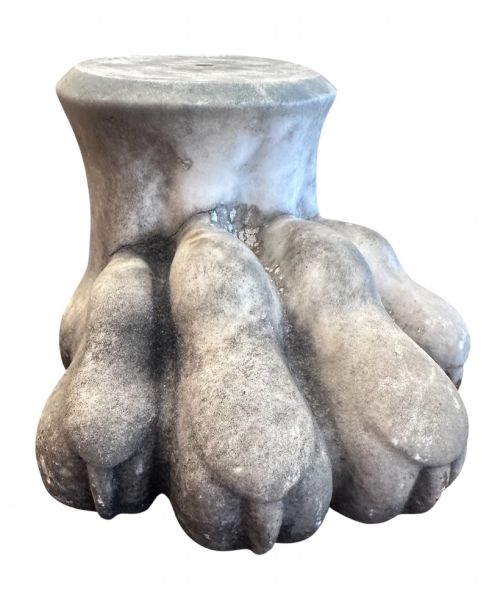
Forms vary from mantelpiece models mounted on marble plinths to monumental garden statuary and architectural salvage fragments such as a carved marble paw. Each piece reflects the enduring fascination with classical antiquity across the nineteenth and twentieth centuries.
Materials and construction
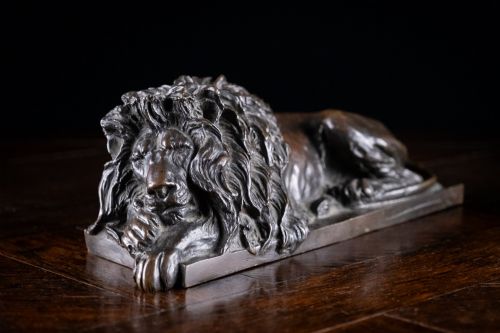
The bronze pieces demonstrate careful casting techniques, often finished with a dark patination to accentuate the musculature and mane of the beast. Many of these metal models are paired with fitted marble plinths that provide a stable and traditional base.
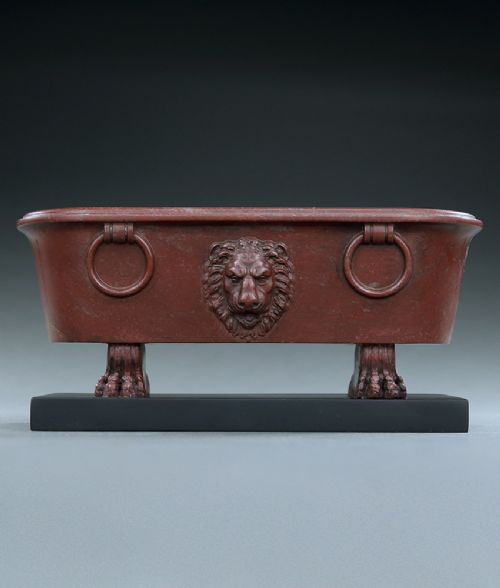
Marble and stone sculptures rely on hand-carved detail, utilising materials such as white Carrara marble and green serpentine to achieve varied tonal depth. These carved works range from smaller decorative shelf figures to substantial architectural elements.
Neoclassical Lion Sculptures Retail Price Guide 2026
Typical asking prices for neoclassical lion sculptures among the pieces listed under this phrase on Sellingantiques today, from the lower quarter to the upper quarter. They describe what is for sale here now, not the wider market.
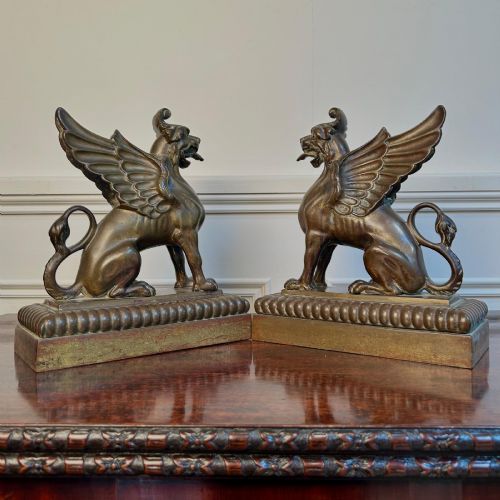
The selection includes architectural elements like a carved marble paw alongside full sculptures of lions and griffins.
Judging quality in the figures
The choice and treatment of the material matter greatly, from the rich warmth of a well-patinated bronze surface to the subtle veining selected in carved marble and serpentine. The integration between the sculpture and its original plinth also influences the overall character.
The Neoclassical Lion Sculptures Glossary
- Grand Tour
- A traditional trip through Europe undertaken by upper-class young men to study classical art and antiquities. Souvenirs purchased during these travels heavily influenced nineteenth-century domestic interiors.
- Canova Lions
- Sculptures based on the monumental tomb monuments designed by Antonio Canova in Rome. These recumbent beasts became standard subjects for bronze and marble reductions.
- Medici Lions
- A pair of marble lions guarding the Loggia dei Lanzi in Florence, originally derived from ancient Roman prototypes. They were widely copied in various scales throughout the nineteenth century.
- Serpentine
- A dark green silicate mineral resembling marble, frequently utilised by Italian artisans for bases and carved animal figures. Its distinctive mottled surface adds texture to neoclassical compositions.
- Carrara Marble
- A type of white or blue-grey marble quarried in the city of Carrara in Tuscany, prized since classical times for sculpture. It provides a smooth, luminous ground for carved details.
Neoclassical Lion Sculptures: Frequently Asked Questions
What are neoclassical lion sculptures?
These pieces are decorative and monumental figures inspired by ancient Roman statuary, often produced during the nineteenth and early twentieth centuries.
They frequently replicate famous Italian monuments and were collected as tangible links to classical antiquity.
Where were these sculptures made?
Many examples originate from Italian workshops catering to travellers undertaking extended educational tours across Europe.
British and European founders also produced fine bronze casts during the nineteenth century.
How do I date a lion sculpture?
Dating relies on examining the casting methods, the composition of the metal, and the tool marks left on marble or stone surfaces.
Stylistic cues and the characteristics of associated marble plinths help narrow down the period of production.
How do I display them at home?
These sculptures suit prominent positions on mantelpieces, sturdy side tables, or designated pedestals where their weight and form can be appreciated.
Larger stone examples are suited to architectural placements or garden settings depending on their material.