


Neoclassical Light Fixture
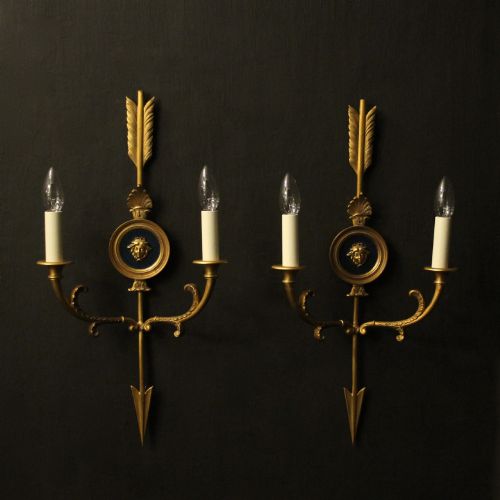
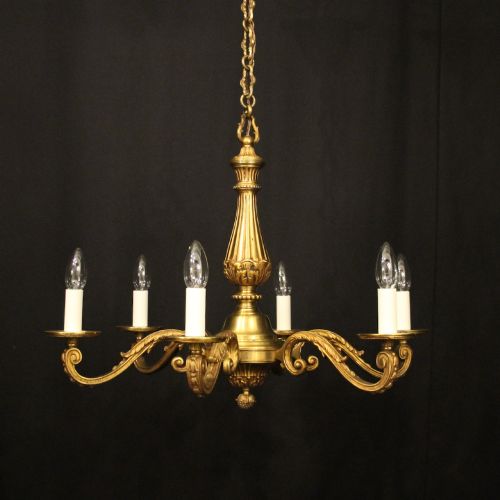
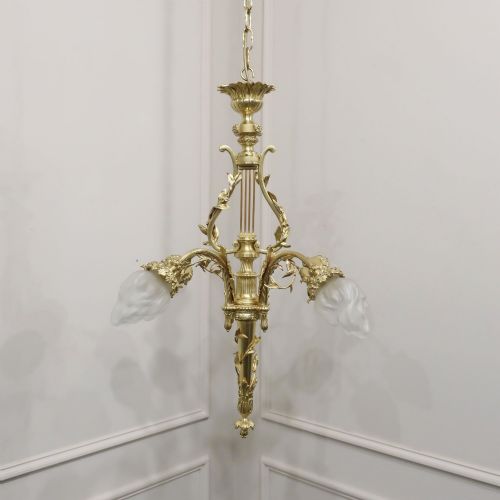
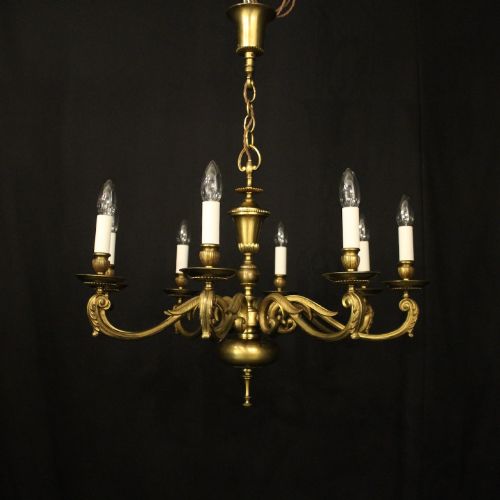
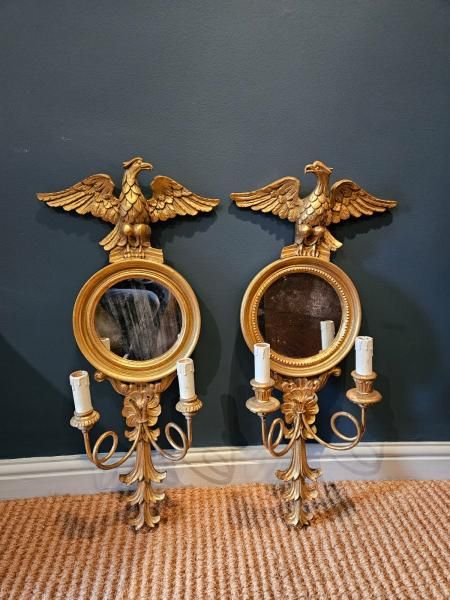
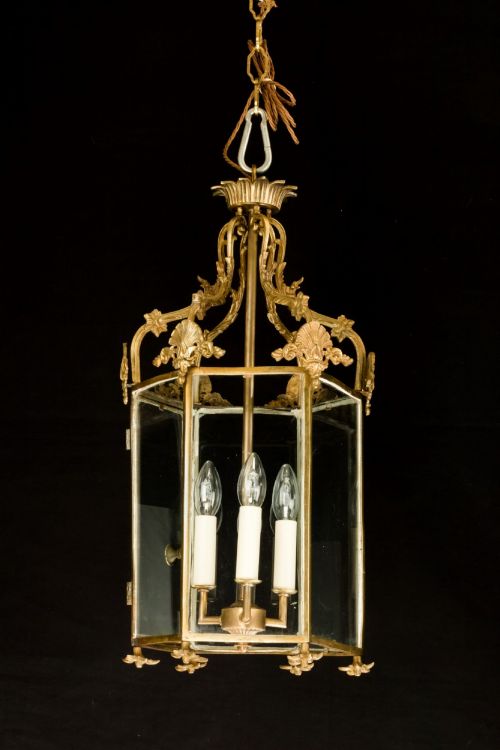
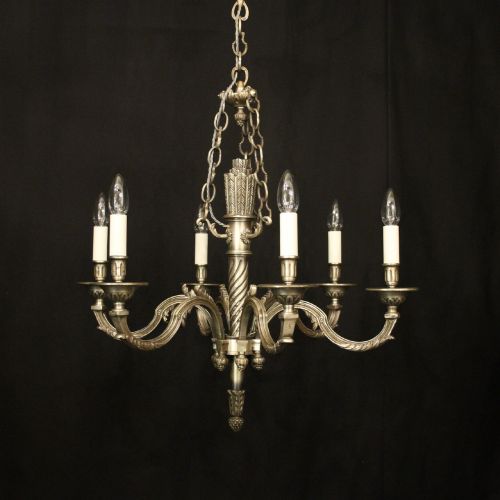
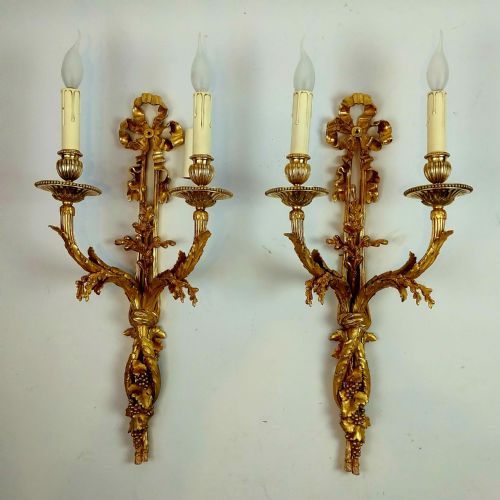
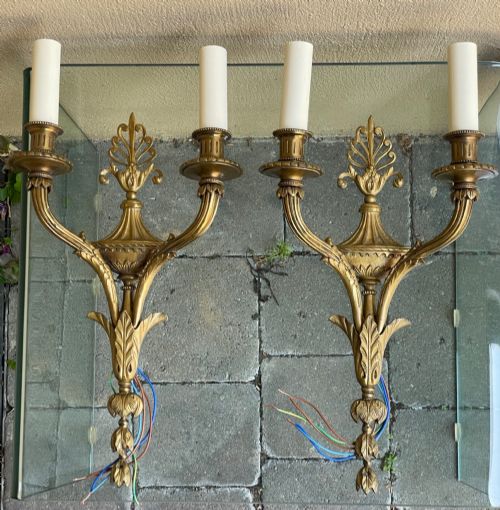
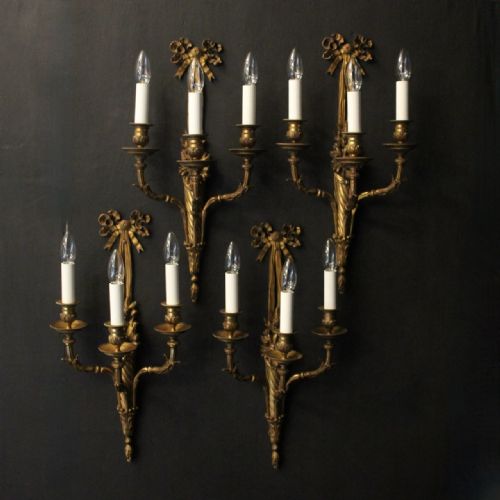
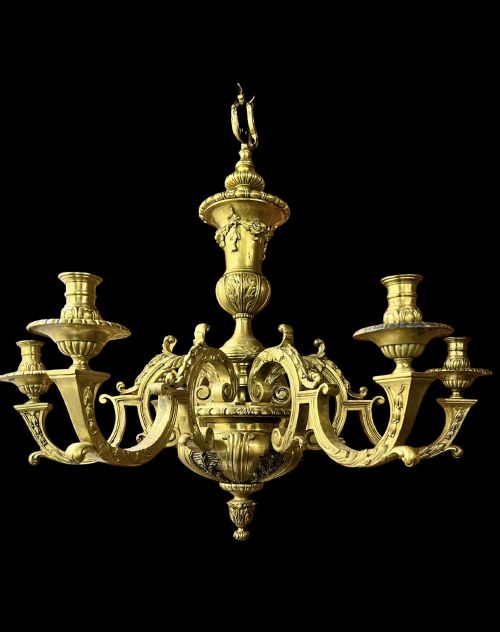
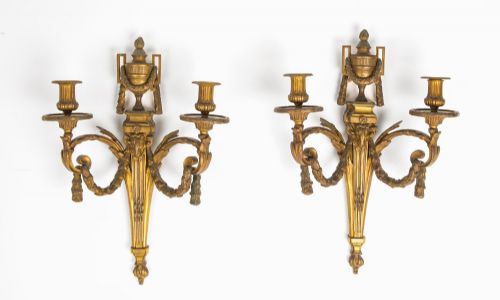
These neoclassical light fixtures bring disciplined symmetry and classical restraint to a room, ranging from grand multi-armed brass chandeliers to gilded bronze wall sconces.
Neoclassical Light Fixture
A neoclassical light fixture draws on classical architectural motifs, featuring clean lines, urns, lyres, and ram's head masks derived from antiquity.
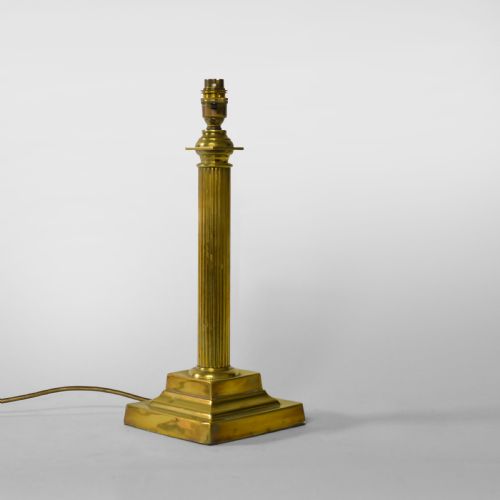
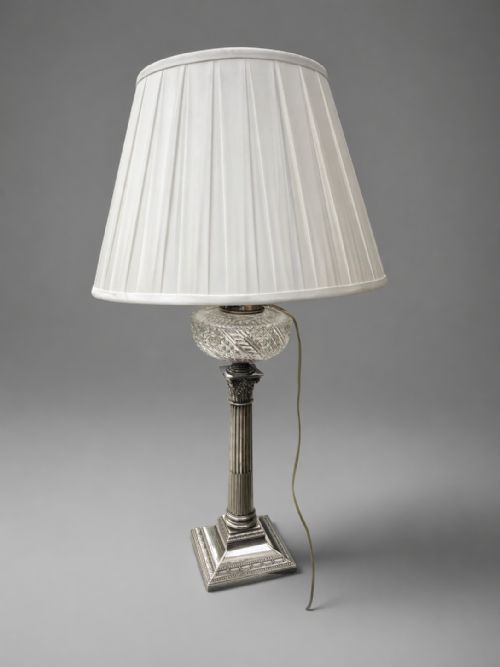
The selections here span multiple forms, predominantly featuring multi-armed chandeliers, paired wall sconces, lanterns, and column lamps originating from the nineteenth and early twentieth centuries.
French and English workshops dominate the offerings, translating classical vocabulary into bronze, brass, and giltwood fittings designed for formal interiors.
Materials and construction
Foundry work relies heavily on cast bronze and brass, often finished with fire-gilding, ormolu, or silver plating to achieve a lustrous surface.
Detailing is executed through chased mounts and applied decorative elements like alabaster panels, carved giltwood, and glass shades.
Construction methods combine structural metal framing with mechanical fixings to support heavy multi-tiered configurations safely.
Ram's head masks stare steadfastly from nineteenth-century bronze wall sconces, quietly supervising the room below.
Assessing craftsmanship
The distinction between tiers rests upon the crispness of the chasing in the bronze and brass work, where sharp architectural details surpass soft, blurred casting.
Substantial weight, integrated heavy gauge metal components, and thoughtful proportional balance separate superior fixtures from standard production pieces.
Jean Jules Cambos·Wedgwood
The Neoclassical Light Fixture Glossary
- Ormolu
- Gilt bronze created by applying a finely ground high-carat gold-mercury amalgam to a bronze object, then heating to drive off the mercury. This technique produced a durable, deep golden finish seen on eighteenth and nineteenth century mountings.
- Colza
- A type of vegetable oil extracted from rapeseed that was widely used in nineteenth century lamps before the widespread adoption of kerosene and electricity. Fixtures configured for colza typically incorporate specific reservoir and burner designs.
- Lyre
- A stringed musical instrument shape utilised as a central decorative motif in neoclassical frames and backplates. It symbolises classical harmony and balance within furniture and lighting design.
Neoclassical Light Fixture: Frequently Asked Questions
How do I hang a heavy antique chandelier?
Suspension requires locating a structural ceiling joist and installing a rated steel hook capable of supporting the combined weight of the metal frame and glass components.
Wiring must be routed securely through the central stem, and professional installation ensures the fixture hangs level and safely.
How do I clean gilt bronze and ormolu?
Maintenance requires only gentle dusting with a soft, dry brush or microfiber cloth to remove particulate matter without abrading the delicate gold surface.
Harsh chemical polishes, abrasive cloths, and water must be avoided entirely, as they strip away the historic gilding.
How do I distinguish French neoclassical from revival styles?
Period pieces from the eighteenth century demonstrate organic integration of classical motifs driven by contemporary taste, whereas nineteenth century revival pieces often exhibit heavier casting and academic adherence to specific historical corpuses like Louis XVI.
Construction marks, patination depth, and fastener types further assist in establishing accurate chronological attribution.