





Neoclassical Figure Study
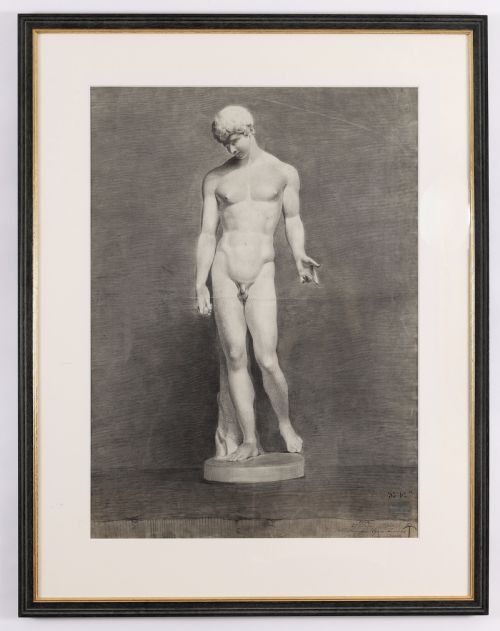
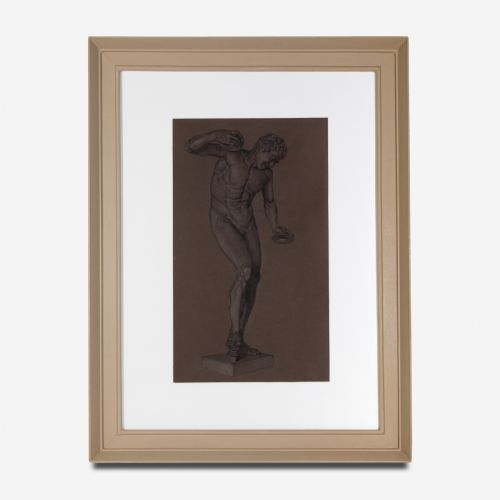
These neoclassical figure study pieces capture classical forms in bronze, marble, paper, and terracotta from across the Georgian and nineteenth-century periods.
Neoclassical Figure Study
A neoclassical figure study interprets ancient mythological and historical subjects through the lens of eighteenth and nineteenth-century academic training.
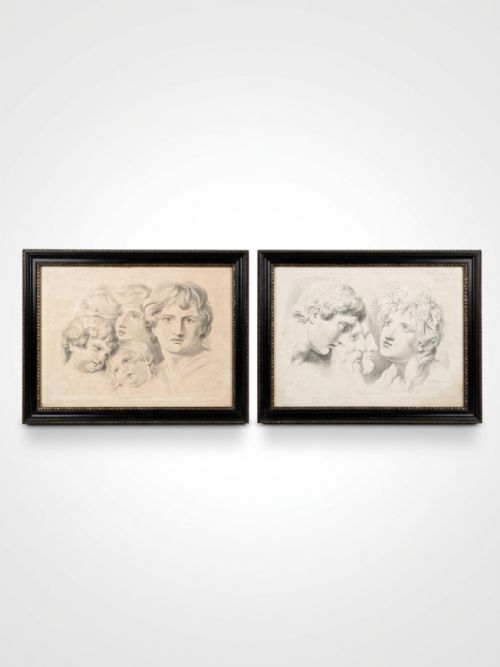
The selections available here span framed drawings, portraits, paintings, engravings, and sculptures produced during periods ranging from the seventeenth to the late nineteenth century.
Buyers will encounter Italian Grand Tour bronzes alongside academic pencil drawings, charcoal sketches, and parian porcelain studies reflecting classical ideals.
Materials and Working Methods
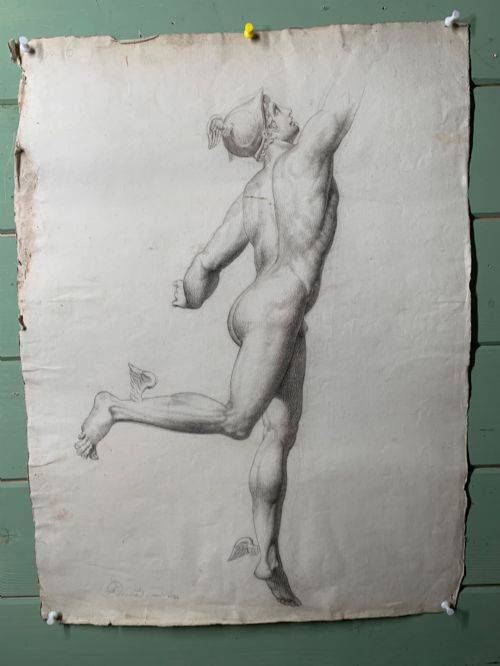
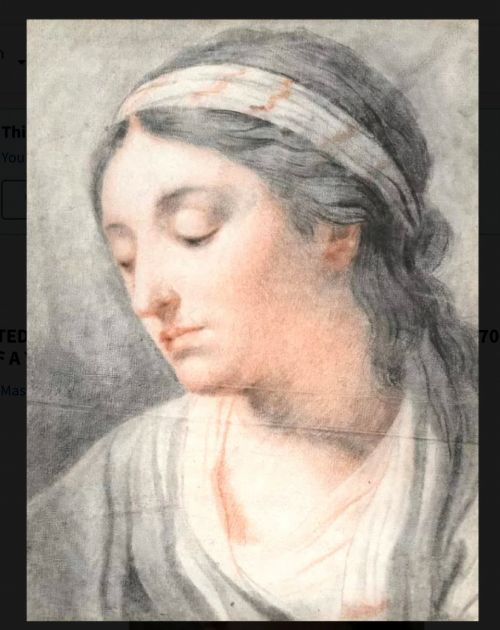
Works on paper utilise graphite, charcoal, chalk, and ink to render anatomical precision and sculptural shading.
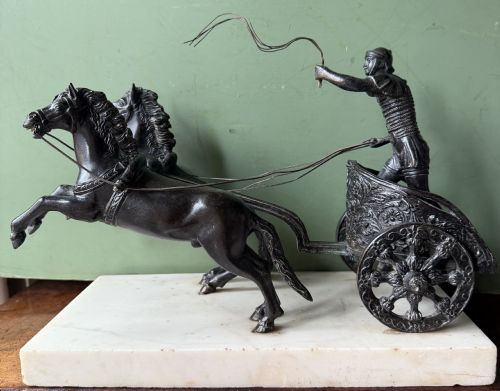
Three-dimensional subjects combine cast bronze with white marble plinths, alongside terracotta and parian porcelain moulded after antique originals.
Neoclassical Figure Study Retail Price Guide 2026
Typical asking prices for neoclassical figure study among the pieces listed under this phrase on Sellingantiques today, from the lower quarter to the upper quarter. They describe what is for sale here now, not the wider market.
Listings feature works spanning the seventeenth through the nineteenth centuries, utilising materials such as bronze, marble, chalk, and paper.
Assessing Standard and Execution
Execution relies on the draughtsman's command of line and shadow, or the founder's precision in capturing the detail of classical statuary.
Material depth, whether the patination of a bronze souvenir or the careful preservation of an eighteenth-century sketch, dictates the character of the piece.
Johann Heinrich Dannecker·Pierre-Paul Prud'hon
The Neoclassical Figure Study Glossary
- Grand Tour
- A traditional trip through Europe undertaken by upper-class young men to absorb classical culture and acquire souvenirs. These souvenirs frequently took the form of small bronzes after famous antiquities.
- Parian porcelain
- A fine-grained ceramic material developed in the nineteenth century that resembles carved marble. It was frequently utilised for reduced-scale copies of classical sculptures.
- Maenad
- A female follower of Dionysus, often depicted in classical art in ecstatic motion. They appear frequently in nineteenth-century paintings and reliefs.
- After the antique
- A descriptor for artworks copied directly from ancient Greek and Roman sculptures. Academic artists and students utilised this practice to master human anatomy.
Neoclassical Figure Study: Frequently Asked Questions
What is a neoclassical figure study?
A neoclassical figure study is an artwork or sculpture focusing on human anatomy inspired by ancient Greek and Roman art. These pieces were produced as academic exercises or souvenir artworks.
They reflect the revival of classical proportions and mythological themes popular across the eighteenth and nineteenth centuries.
How were Grand Tour bronzes used?
Grand Tour bronzes served as tangible proof of travel and cultural education for collectors returning from Italy. They were displayed in libraries and studies on marble plinths.
These small-scale interpretations allowed owners to bring celebrated museum sculptures into private domestic interiors.
How do I care for works on paper?
Works on paper require protection from direct sunlight to prevent the fading of graphite, chalk, and ink. Framing with acid-free materials preserves the paper over time.
Keep these drawings in stable humidity conditions to avoid warping or foxing on eighteenth and nineteenth-century sheets.
How can I tell the period of a bronze?
Nineteenth-century bronze studies often display specific patination, casting seams, and mounting techniques typical of European foundries. Examination of the base and metal composition helps determine age.
Many bear direct relation to specific classical statues popular during the Grand Tour era.