





Neoclassical Bronze Fixture
A neoclassical bronze fixture brings architectural discipline and warm metallic weight into a room, grounding the space with classical French proportions.
Neoclassical Bronze Fixture
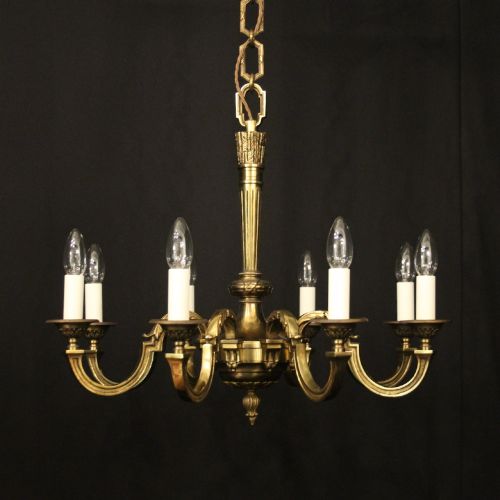
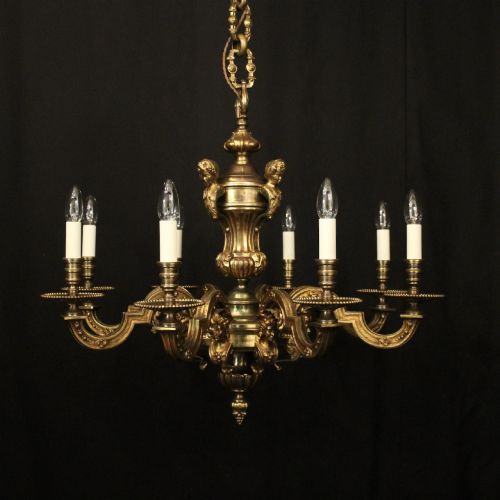
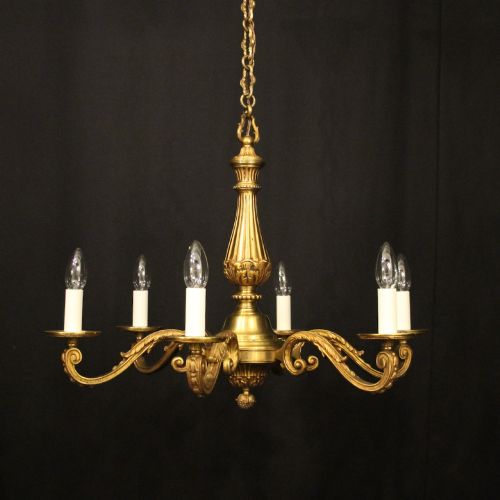
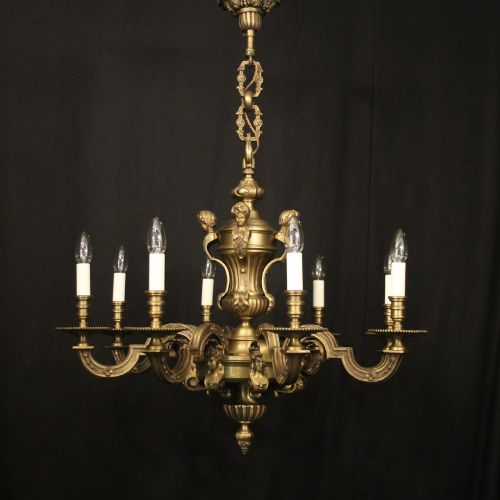
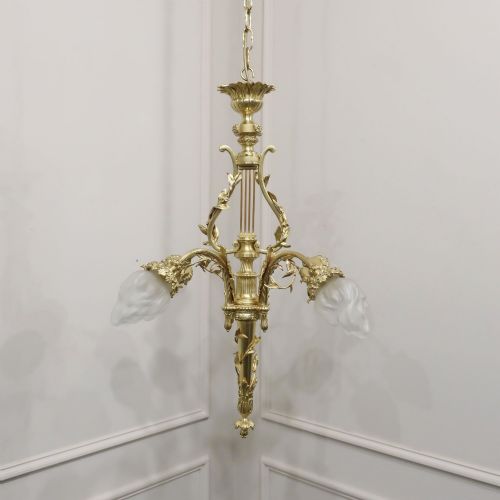
When you search for a neoclassical bronze fixture, you are looking at substantial lighting designed to command a room through formal symmetry and classical motifs. The pieces gathered here are predominantly French in origin, spanning from the late nineteenth century through to the interwar period of the 1930s.
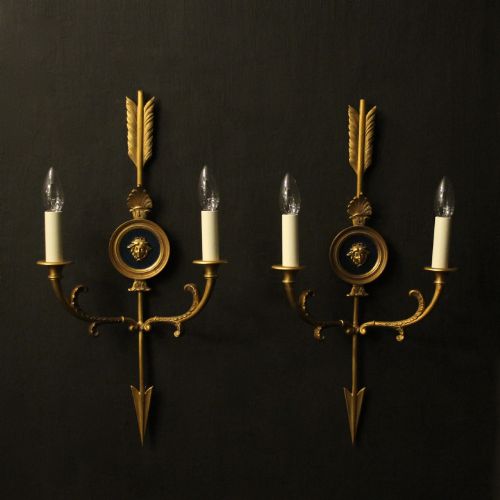
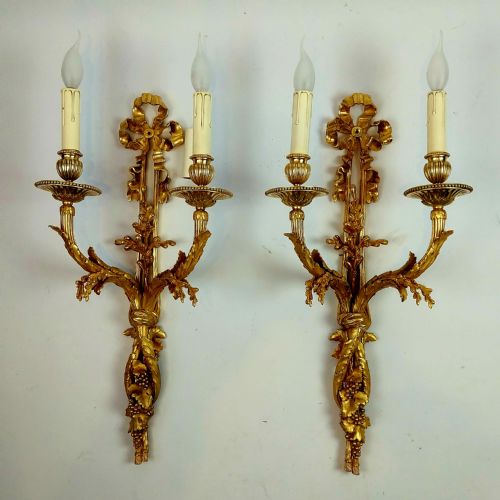
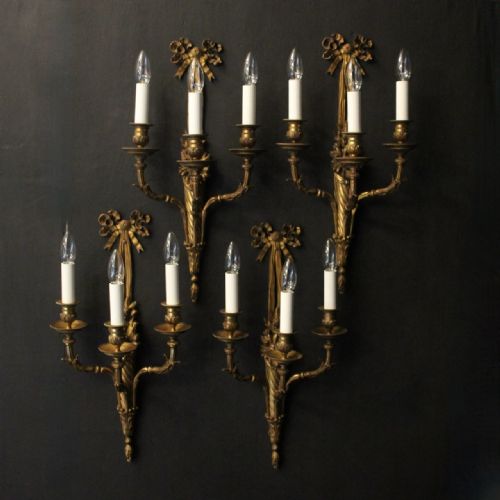
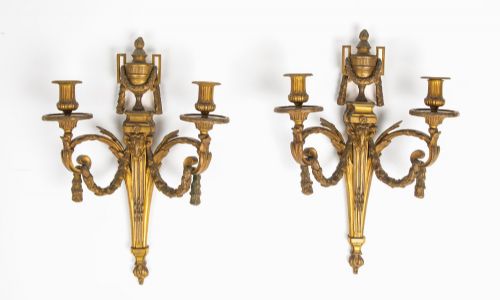
The selection ranges from multi-tiered chandeliers and twin-arm wall lights to table lamps and wall sconces. You will frequently encounter forms drawing directly on Louis XVI and Empire styles, utilising cast metal and gilt finishes.
Chandeliers dominate the offerings, often configured with six to eight lights arranged across single or double tiers. Wall sconces frequently appear in pairs, incorporating classical details such as ram's head masks and lyre motifs.
Materials and construction
These fixtures rely on heavy cast bronze, brass and ormolu, shaped through traditional foundry methods. Gilt bronze and silvered finishes are applied over the base metal to create reflective surfaces that catch the light.
Designers incorporated glass elements and patinated highlights to contrast against the bright gilded frames. The structural integrity depends on heavy metal armatures built to support multiple candle-style lights and hanging shades.
Neoclassical Bronze Fixture Retail Price Guide 2026
Typical asking prices for neoclassical bronze fixture among the pieces listed under this phrase on Sellingantiques today, from the lower quarter to the upper quarter. They describe what is for sale here now, not the wider market.
Listings feature Victorian, Edwardian and interwar periods, utilising brass, gilt bronze, ormolu and glass across forms from chandeliers to table lamps.
Distinguishing quality
The weight of the bronze and the integrity of the gilding set the standard. Better pieces retain a rich, layered metallic finish, whereas lesser items show flat, uniform plating that lacks tonal variation.
Jean-Jules Cambos
The Neoclassical Bronze Fixture Glossary
- Ormolu
- Gilt bronze produced by applying a finely ground high-carat gold-mercury amalgam to a bronze object, which is then fired to drive off the mercury. This technique creates a durable, warm golden surface found on high-status classical pieces.
- Lyre
- A symmetrical, stringed-instrument shape used as a decorative motif in neoclassical frames and openwork ceiling lights. It reflects the period's fascination with ancient Greek aesthetics.
- Patination
- The natural or artificially induced surface alteration on bronze that changes its colour over time. It provides depth and protects the underlying metal.
- Colza lamp
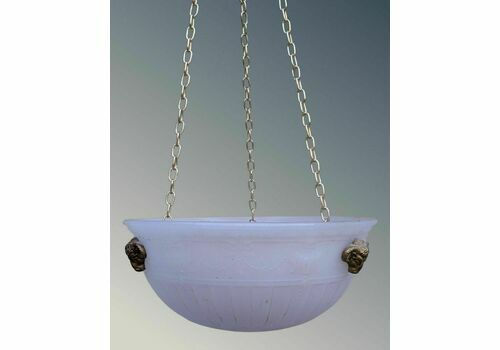
- An interior lighting fixture designed to burn colza oil, featuring a reservoir and specialised burner mechanisms. These hanging lights often date from the early twentieth-century revival of classical forms.
- Chasing
- The manual finishing of a cast metal object using small punches and hammers to sharpen details and remove casting flaws. Fine chasing separates masterwork bronzes from standard commercial production.
Neoclassical Bronze Fixture: Frequently Asked Questions
Can these chandeliers be rewired for modern ceilings?
Most antique fixtures can be adapted to meet contemporary electrical standards by a qualified electrician. The internal channels usually accommodate modern wiring without altering the exterior metalwork.
It is best to retain the original sockets and candle tubes where possible to preserve the historical character of the piece.
How do I tell Louis XVI style from Empire style?
Louis XVI pieces tend to feature lighter, restrained classical motifs like ribbons, urns and floral garlands with a delicate symmetry. The proportions are intimate and rooted in architectural grace.
Empire designs are heavier and more militaristic, drawing on Roman imperial symbols such as eagles, wreaths and bold sphinxes. They project absolute authority through massive scale and dark patination.
Where should I hang a large bronze chandelier?
Hang a multi-tiered chandelier in a room with sufficient ceiling height to allow clear passage underneath. High-ceilinged living rooms, entry halls and dining spaces provide the ideal volumetric context.
Ensure the ceiling joists can support the substantial weight of cast bronze before installation.