




Neo Classical Lights
Neo classical lights bring architectural symmetry and classical restraint into a room, drawing on ancient forms to illuminate interiors with disciplined elegance.
Neo Classical Lights
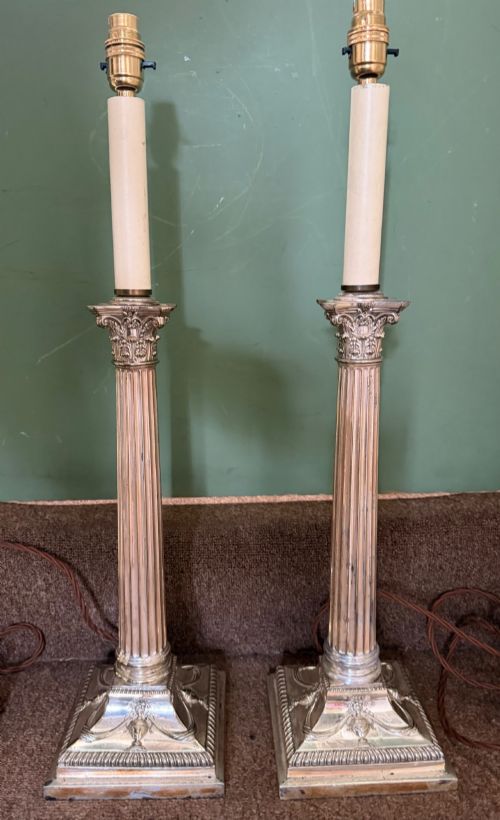
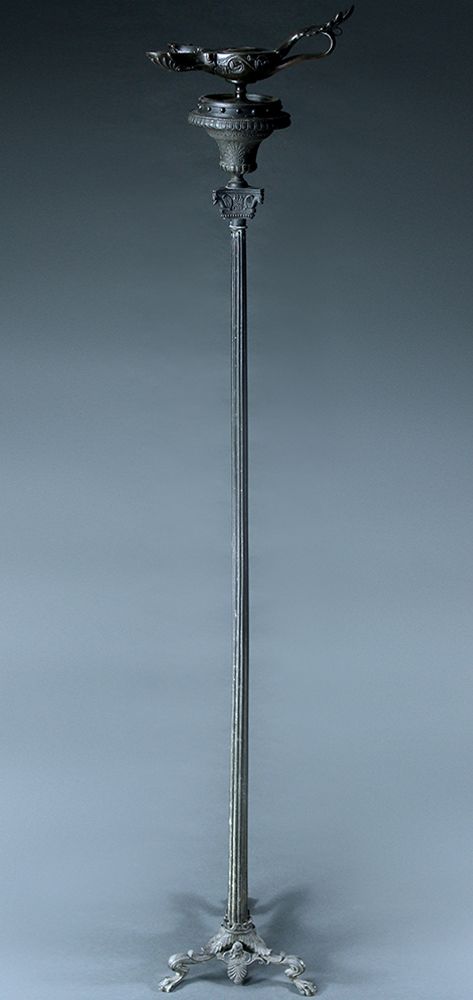
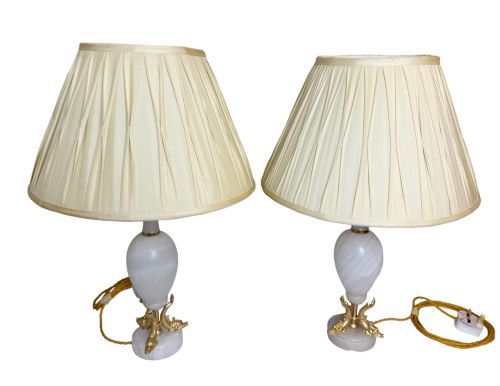
Neo classical lights encompass a range of fixtures designed with the motifs of classical antiquity, spanning wall lights, table lamps, and standard lamps. These pieces draw heavily on architectural references such as Corinthian columns, urns, and torch designs, reflecting a sustained interest in Greek and Roman forms across the nineteenth and early twentieth centuries. Buyers seeking these items will frequently encounter French and Victorian interpretations executed in brass, ormolu, and patinated bronze.
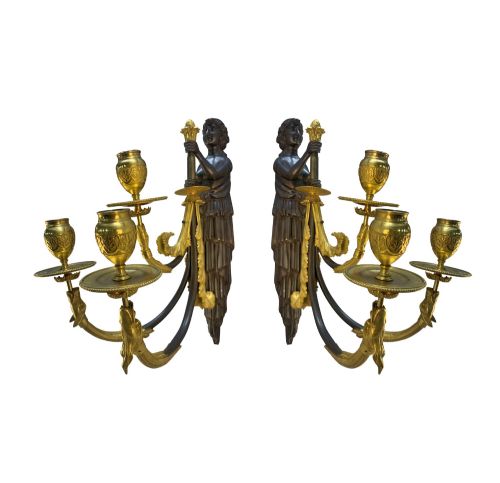
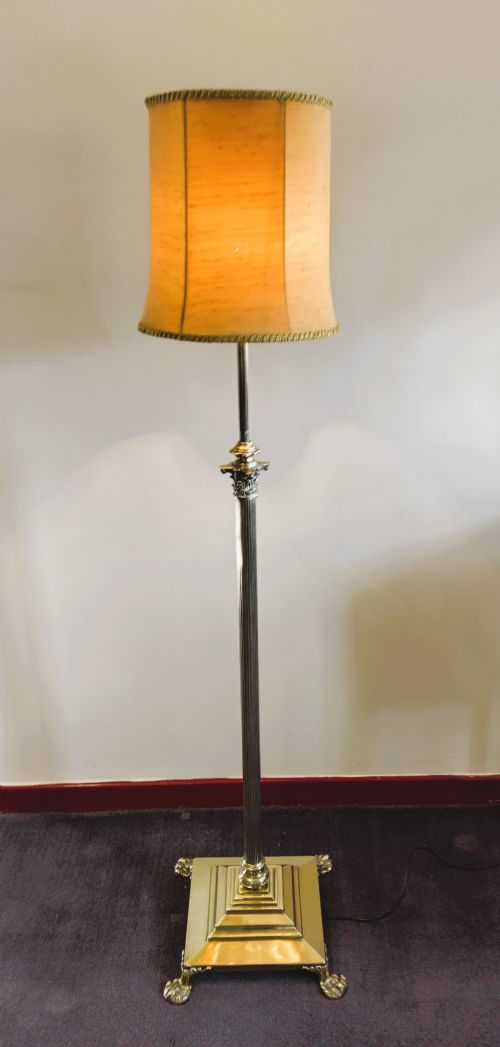
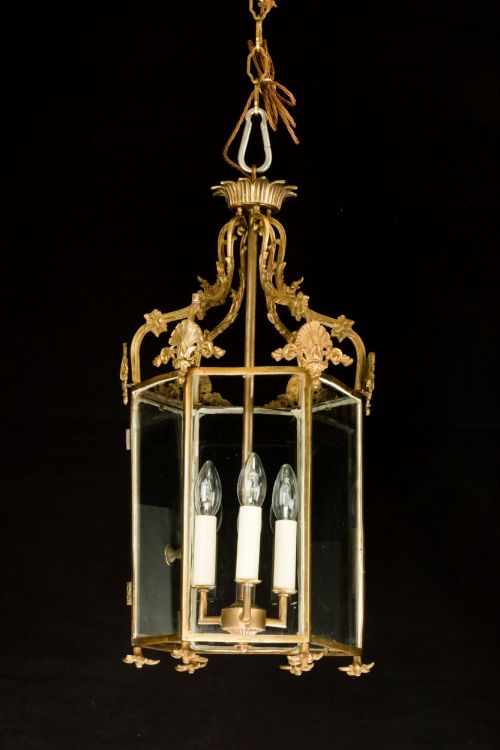
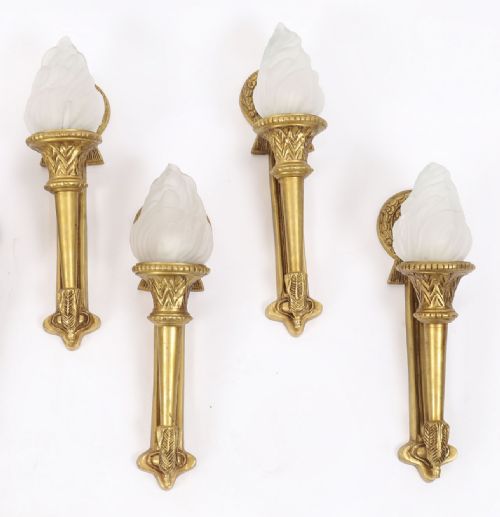
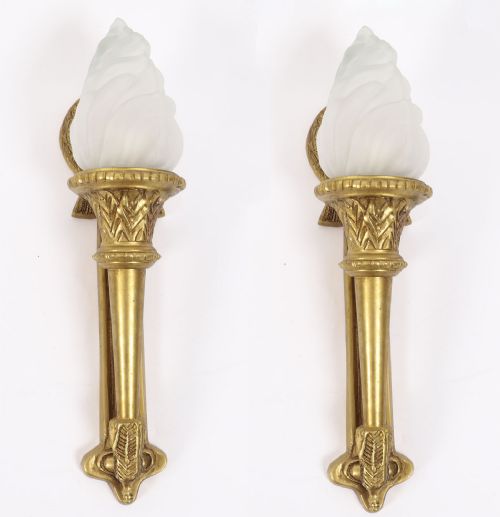
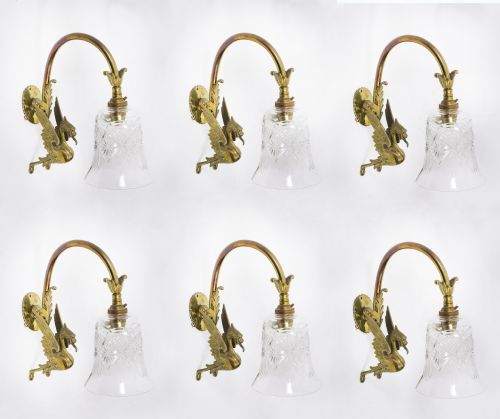
The selection on this page leans toward wall-mounted sconces and substantial floor-standing lamps originating from the nineteenth century up through the nineteen-thirties. Pairs of ormolu and glass wall lights, often featuring flaming torch or griffin motifs, appear alongside adjustable brass standard lamps and verdigris copper lanterns. These pieces demonstrate how classical design vocabulary adapted to interior lighting over several decades of revivalist production.
Originating largely from French workshops and British Victorian makers, these fixtures range from grand floor lamps utilising marble and bronze to simpler brass lanterns and plafonnier shades. The common thread is a strict adherence to symmetry, proportion, and ancient decorative tropes such as acanthus leaves and fluted columns. Selecting a piece involves matching the scale of the room to these inherently architectural lighting forms.
Materials and construction methods
The primary metals utilised in these fixtures include cast brass, ormolu, gilt bronze, and patinated bronze, often combined with glass and onyx elements. Metal components were frequently cast and chased, allowing for intricate surface details like fluting and classical drapery. Ormolu surfaces involved applying a finely ground gold-mercury amalgam to bronze, whilst patinated finishes gave metals an aged dark or verdigris tone.
Construction techniques relied upon heavy casting and mechanical assembly, ensuring that standard lamps and floor-standing models possessed the necessary structural stability. Wall lights and appliques incorporate articulated brackets or robust backplates designed to support the weight of heavy metal arms and glass shades. Glass elements, such as frosted plafonnier shades or decorative torch flames, were blown or moulded to fit specific metal mounts.
Neo Classical Lights Retail Price Guide 2026
Typical asking prices for neo classical lights among the pieces listed under this phrase on Sellingantiques today, from the lower quarter to the upper quarter. They describe what is for sale here now, not the wider market.
The listings on this page span from the mid nineteenth century through to nineteen-thirty, encompassing Victorian and Edwardian interpretations alongside French works.
Distinguishing quality in neo classical lights
Quality in these fixtures is determined by the crispness of the metal casting and the depth of the finishing work. Superior pieces exhibit sharply defined details in motifs like acanthus leaves and griffin figures, showing minimal signs of smoothing from secondary polishing. The weight of the metal and the solidity of the construction joints also separate finer production from standard commercial output.
The integration of materials dictates the overall calibre of a piece, particularly in how well ormolu, bronze, and glass components fit together. Finer examples maintain original fire-gilding or well-preserved patination rather than crude later refinishing. Attention to structural proportion and the finesse of articulated joints in wall lights further distinguish higher-grade historical examples.
The Neo Classical Lights Glossary
- Ormolu
- A type of gilt bronze achieved by applying a gold and mercury mixture to a bronze base and firing it. This technique creates a distinctive, deep golden finish seen on many high-end French fixtures.
- Plafonnier
- A ceiling-mounted light fixture featuring a bowl-shaped shade, often made of frosted or painted glass. These direct light downwards and sit flush or close to the ceiling.
- Verdigris
- A green patina that forms naturally on copper, brass, or bronze through atmospheric oxidation. In revival pieces, this finish is often chemically induced to simulate age.
- Corinthian
- An architectural order characterised by ornate capitals decorated with acanthus leaves. This motif is frequently adapted for the stems of nineteenth-century table and standard lamps.
- Grand Tour
- A cultural journey undertaken by wealthy young Europeans to study classical antiquities. Objects associated with this phenomenon often incorporate authentic archaeological motifs from Pompeii and Rome.
Neo Classical Lights: Frequently Asked Questions
How do I identify neo classical style?
Look for symmetrical designs, straight lines, and specific motifs borrowed from ancient Greek and Roman architecture. Common indicators include fluted columns, urn shapes, acanthus leaves, and classical figures.
These elements set the style apart from the more asymmetrical and organic curves of later art nouveau designs, ensuring a structured and formal appearance in interior settings.
Where were these lights used historically?
Wall lights and sconces were typically placed in formal reception rooms, hallways, and dining spaces to provide ambient illumination alongside candles or early gas lighting. Floor and standard lamps stood in libraries and drawing rooms.
Their architectural presence made them suitable for high-ceilinged interiors where they could complement grand architectural plasterwork and heavy drapery.
Can standard lamps be adjusted for height?
Certain standard lamps from the early twentieth century feature mechanical adjustment mechanisms that allow the overall height to be altered. These typically utilise a heavy brass stem with a sliding collar or screw key.
Checking the hardware reveals whether the height adjustment is an original design feature intended for reading tasks or a later modification.
What is the difference between ormolu and brass?
Ormolu is a specific technique involving a gilt coating applied to a bronze substrate, resulting in a rich, warm golden lustre. Brass is an alloy of copper and zinc that maintains a yellower, more metallic tone unless plated or patinated.
While solid brass can be polished brightly, ormolu requires careful maintenance to preserve the delicate gold surface layer applied during its original manufacture.