



Neo Classical Lamps
Neo classical lamps bring ancient architectural dignity into a room, offering sculptural form and steady illumination through classical columns and urns.
Neo Classical Lamps
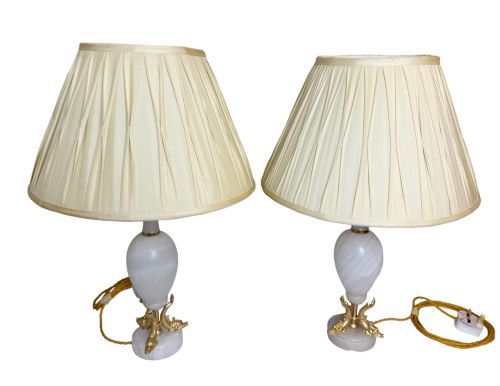
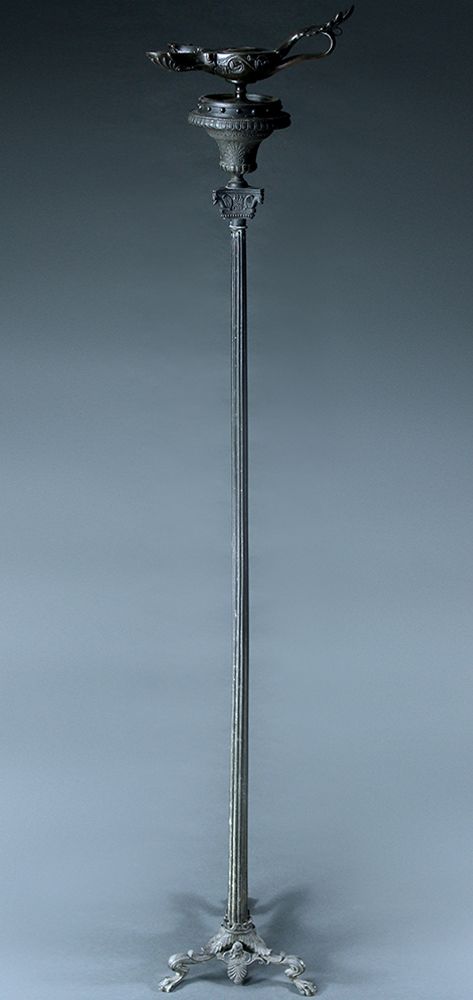
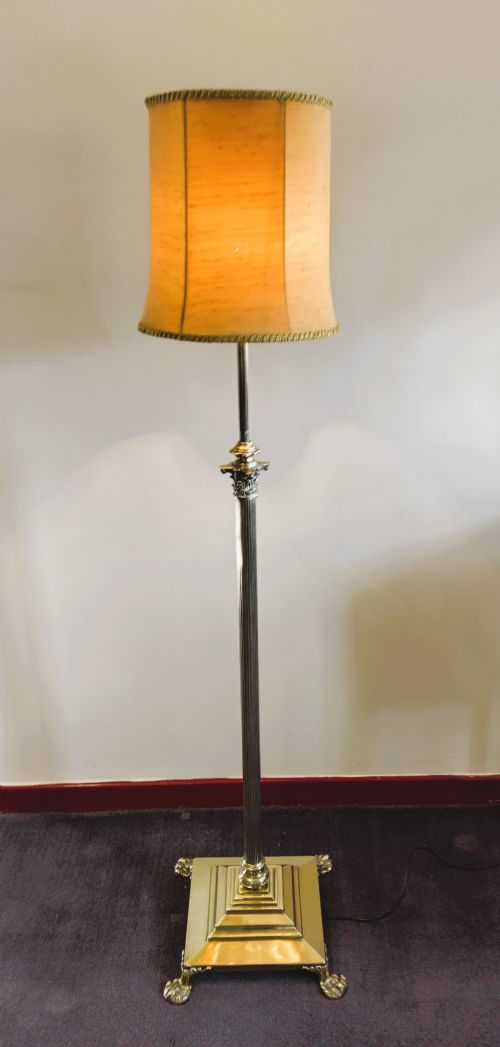
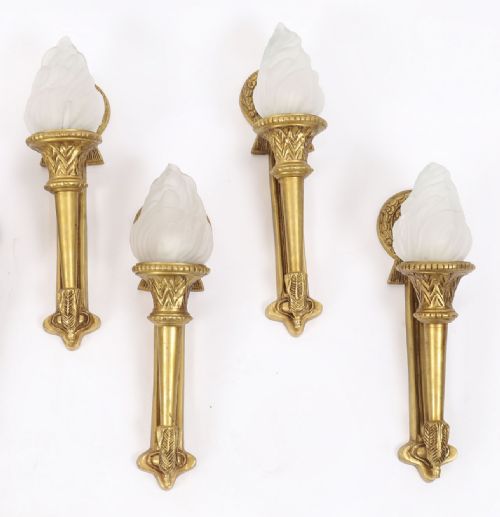
When you search for neo classical lamps, you encounter lighting fixtures shaped by classical antiquity, spanning table lamps, standard lamps, floor lamps, and wall lights. These pieces borrow heavily from Greek and Roman architectural vocabulary, translating motifs like fluted columns and Corinthian capitals into domestic lighting.
The versions you meet most frequently on this page date from the nineteenth and early twentieth centuries, including Victorian neoclassical pieces and revival designs. They appear as single table lamps, matching pairs, or tall floor-standing columns designed to anchor a room.
Origin plays a strong role in character, with French, Italian, and British examples all represented. Each national tradition applies the neoclassical idiom slightly differently, from French gilt bronze elegance to heavier brass standard lamps.
How they were made
Makers built these lamps using durable metals like brass, bronze, and ormolu, often paired with carved stone elements such as marble and onyx. Metal components were cast, chased, and occasionally gilt, creating surfaces that caught the light even when the bulb remained unlit.
Many structural forms incorporate classical elements like Corinthian capitals or figural supports, demanding skilled foundry work and hand-finishing. Combination pieces integrate glass shades, fabric shades, or silk elements alongside heavy metal bases to balance weight and proportion.
Neo Classical Lamps Retail Price Guide 2026
Typical asking prices for neo classical lamps among the pieces listed under this phrase on Sellingantiques today, from the lower quarter to the upper quarter. They describe what is for sale here now, not the wider market.
Listings feature materials spanning brass, gilt bronze, marble, onyx, and silk across the nineteenth and early twentieth centuries.
What varies in quality
The distinction between standard production and exceptional work lies in the crispness of the casting and the depth of the metal finish. High-end pieces display sharply defined acanthus leaves, clean fluting on columns, and substantial weight in the bronze or brass bodies.
Materials also dictate the tier of the piece, with solid marbles, dense onyx bases, and genuine ormolu marking out the superior end of the range. Lesser pieces rely on lighter metal pressings and simpler turned brass components without hand-chased detailing.
The Neo Classical Lamps Glossary
- Ormolu
- Gilded bronze, where a fine layer of gold is applied to a base metal object. This technique produces a warm, durable finish seen on high-end French and Italian lighting.
- Corinthian Column
- A classical column style featuring an ornate capital decorated with acanthus leaves. It serves as a frequent decorative shaft for Victorian brass table lamps.
- Grand Tour
- A cultural journey undertaken by wealthy Europeans to study classical antiquities. Objects from this tradition often draw directly on archaeological finds like those at Pompeii.
- Standard Lamp
- A British term for a floor lamp, standing on a weighted base to support a tall central column and shade. These provide ambient room lighting rather than task illumination.
Neo Classical Lamps: Frequently Asked Questions
What defines neo classical lamps?
These lamps draw inspiration from classical Greek and Roman architecture, utilising forms like columns, urns, and torches.
They emerged strongly during revival periods in the nineteenth and early twentieth centuries, translating ancient motifs into functional home lighting.
How were standard lamps used historically?
Standard lamps provided movable ambient lighting in large Victorian and Edwardian reception rooms before fitted electricity became standard.
Pooled near seating areas, they offered warm illumination at a height that could often be adjusted to suit the room.
How do I date a brass lamp?
Dating relies on assessing the weight of the metal, the method of casting, and the specific revival style at play.
Earlier nineteenth-century pieces often feature heavier hand-finished bronze or brass, whereas later twentieth-century iterations show more standardised manufacturing traits.
Can pairs be split up?
Splitting matching pairs of lamps generally diminishes their decorative impact and collective value in interior schemes.
Symmetrical placement on side tables or mantels forms a core part of the classical aesthetic these pieces deliver.