





Naval History Painting
Naval history painting records maritime conflict and command through oil on canvas and paper, bringing historic fleets and commanders directly into your study.
Naval History Painting
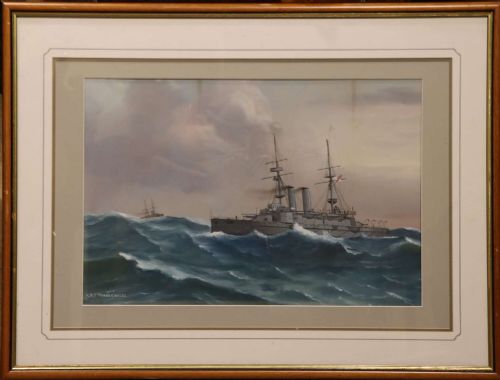
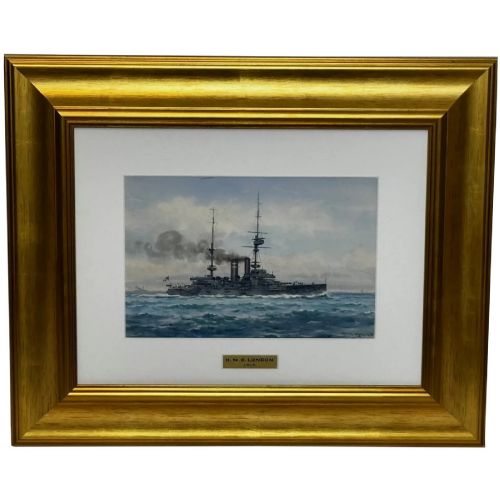
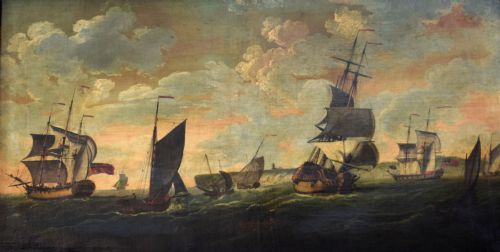
Naval history painting encompasses artworks depicting historic sea battles, frigates, and portraits of admirals from the eighteenth century to the mid twentieth century. These works capture significant moments of maritime warfare and leadership, utilising detailed depictions of historic vessels such as the HMS Queen Charlotte and HMS London.
The pieces you encounter on this page range from early watercolours and gouache works to large oil paintings executed on canvas. You will find examples spanning Georgian, Victorian, and Edwardian periods, alongside mid twentieth century British maritime realism.
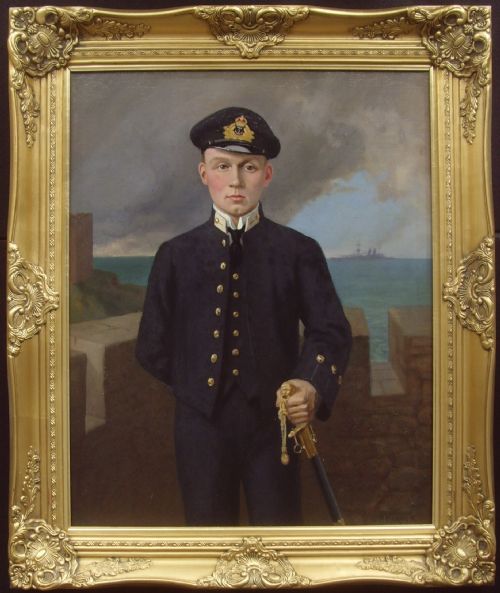
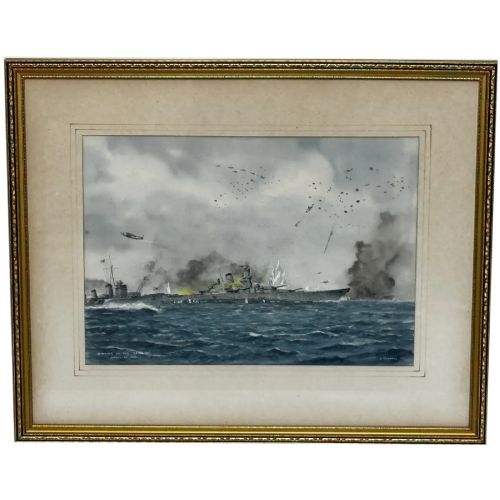
Portraits of prominent commanders such as Lord Howe and Earl Beatty appear alongside depictions of specific engagements like the Battle of the East China Seas. These varied formats provide a comprehensive view of naval heritage through the eyes of contemporary and later artists.
Materials and technique
Artists working in this genre relied primarily on oil paint applied to canvas or wood panels, alongside watercolours and gouache on paper. These mediums allowed painters to render the turbulent textures of the sea and the intricate rigging of warships with considerable precision.
Framing often involved glass to protect works on paper, while oil paintings on canvas were secured in wooden frames suited to their period style. The combination of durable canvas and rich oil pigments has ensured the survival of these detailed maritime scenes over centuries.
Naval History Painting Retail Price Guide 2026
Typical asking prices for naval history painting among the pieces listed under this phrase on Sellingantiques today, from the lower quarter to the upper quarter. They describe what is for sale here now, not the wider market.
Materials recorded across the inventory include canvas, wood, paper, glass, oil paint, and gouache.
Assessing quality
Quality in a naval history painting rests upon the artist's command of maritime architecture and atmospheric perspective. Superior works demonstrate an accurate understanding of ship construction, rigging, and nautical movement, rather than relying on generic vessel shapes.
The handling of light on water and the psychological depth of portraiture separate standard illustrative pieces from masterworks. Works by documented hands often display a surer touch in balancing the demands of historical narrative with the conventions of marine art.
Eric Tufnell·Frank Watson Wood·John Simmons·Henry L Gates·Maurice Codner·Francis Holman
The Naval History Painting Glossary
- Gouache
- An opaque water-based pigment that provides flat areas of bright colour and fine detail. It was frequently utilised for maritime works on paper.
- Frigate
- A fast, medium sized warship with three masts carrying square sails. This vessel type appears repeatedly in eighteenth and nineteenth century maritime art.
- Maritime realism
- An artistic style focused on accurate depiction of ships, oceans, and naval operations without romantic exaggeration. It defines much of the nineteenth and early twentieth century output on this page.
- Oil on canvas
- Pigment mixed with drying oil applied to a stretched fabric support. This medium allowed artists to build rich textures and deep tones for sea battles.
Naval History Painting: Frequently Asked Questions
What periods do these paintings cover?
The listings span from the eighteenth century through the Victorian and Edwardian eras up to the mid twentieth century. This timeline covers significant developments in naval architecture and warfare.
You will find Georgian depictions of coastal shipping alongside twentieth century watercolours recording specific twentieth century engagements and commanders.
Are these works original paintings?
Every piece listed is an original painting, executed by hand in mediums such as oil, watercolour, or gouache. They are not modern reproductions.
Artists used authentic canvas and paper supports appropriate to their respective periods, ranging from the seventeen hundreds to nineteen sixty.
How do I identify the ships shown?
Many titles and works explicitly name the vessels, such as the HMS Prince of Wales or HMS Queen Charlotte. Artists often recorded specific historic ships with accurate rigging and flags.
Studying the contextual period of the painting helps determine whether the vessel depicted is contemporary to the artist or a historical recreation.
How should I display an oil painting?
Oil paintings on canvas require stable environmental conditions away from direct sunlight and excessive humidity. Proper wooden frames protect the edges of the canvas.
Works executed on paper or under glass, such as watercolours and gouache, need similar protection from bright light to prevent fading of the pigments.