



Nautical Wall Plaque
A nautical wall plaque brings sea-faring history into a room, offering genuine maritime character through half hull models, bulkhead instruments and carved wooden signs.
Nautical Wall Plaque
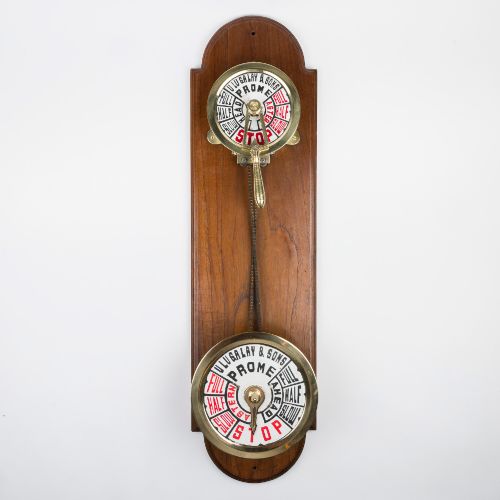
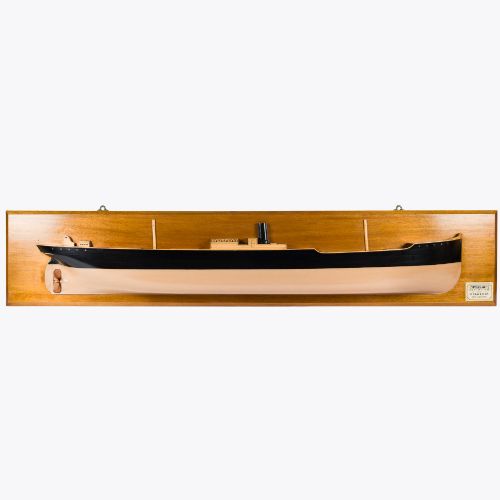
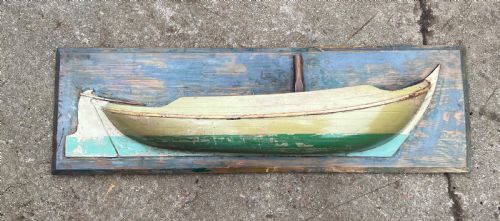
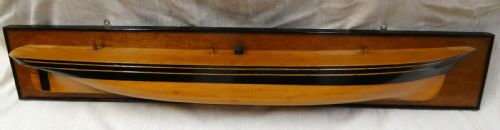
A nautical wall plaque encompasses a range of maritime artefacts designed for display, including half hull ship models, engine room telegraphs, ship builder plaques and yachting signs. These pieces reflect Britain's rich maritime heritage and the practical craftsmanship of coastal workshops and shipyards.
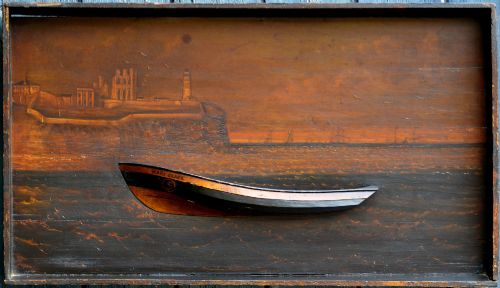
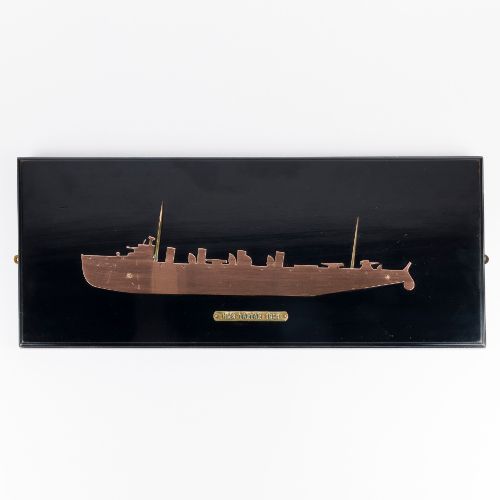
On this page, buyers are most likely to encounter nineteenth century and Edwardian pieces, particularly carved and painted wooden half hull models of local vessels alongside bulkhead instruments and metal plaques. These items serve as direct tactile links to commercial shipping, naval history and coastal folk art traditions.
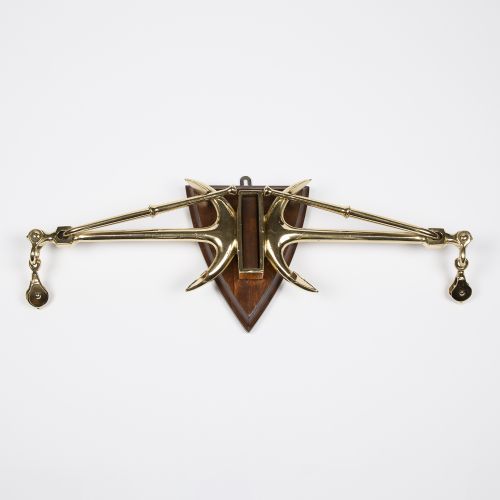
The category spans diverse forms such as rectangular yachting signs, wall mounted tillers and detailed ship models mounted for interior display. Each piece carries the distinct utilitarian aesthetic of maritime engineering adapted for domestic or office decoration.
How they were made
Construction relies heavily on traditional timbers including pine, mahogany and teak, shaped and layered to represent ship hulls or mounted as backboards for navigational instruments. Artisans and boatbuilders utilised these durable woods to withstand marine environments, ensuring the materials survived decades of interior display.
Surface finishes involve oil paint, hand-painted details and polished brass or chrome fittings, combining decorative artistry with robust metalwork. Carved folk art elements often feature layered woodwork combined with painted coastal backdrops to create a sense of depth in half hull displays.
Nautical Wall Plaque Retail Price Guide 2026
Typical asking prices for nautical wall plaque among the pieces listed under this phrase on Sellingantiques today, from the lower quarter to the upper quarter. They describe what is for sale here now, not the wider market.
Some half hull models include tiny painted lighthouses and castles in the background, proving sailors appreciated a scenic view.
What varies in quality
Quality rests upon the precision of the shipwright's woodwork and the authenticity of the associated maritime hardware, distinguishing workshop-produced builder models from generic decorative items. Finer examples display meticulous attention to hull lines, accurate scale proportions and original hand-painted topographical backgrounds.
The integrity of the materials and the retention of original finishes, whether aged brass bezels or untouched oil paint on pine, dictate the standing of a piece. Depth of provenance, such as named shipyards or documented naval vessels, elevates an artefact from simple wall decor to a collected historical document.
Ulugary & Sons·W Grey & Co·Liverpool Ship Building Co
The Nautical Wall Plaque Glossary
- Half hull model
- A three-dimensional representation of a ship's hull built along a central vertical plane to display vessel lines. These were traditionally created by shipbuilders to test designs before full-scale construction.
- Engine room telegraph
- A mechanical communication device used by the bridge to transmit orders to the engine room. They feature marked dials and brass levers designed for heavy marine use.
- Bulkhead clock
- A timekeeping instrument specifically designed for mounting on the vertical partition walls of a ship's cabin. They are typically housed in heavy brass or chrome casings with secure screw bezels.
- Tiller yoke
- A transverse arm fitted to the top of a rudder post to steer a vessel. When mounted on a wall, the shaped woodwork functions as a decorative architectural bracket.
- Folk art
- Art produced by self-trained makers using local materials and traditional techniques. In a maritime context, this includes sailor-made carvings and painted coastal scenes.
Nautical Wall Plaque: Frequently Asked Questions
What is a half hull model?
A half hull model is a wooden representation of one side of a ship, built to display the hull's hydrodynamic lines. Shipbuilders carved these layers to test vessel designs prior to full-scale construction.
Today, these wooden models are mounted on backboards for wall display, preserving the exact naval architecture of historic vessels in homes and offices.
How do I date a maritime plaque?
Dating relies on material construction, fastener types, paint analysis and any inscribed shipyard or vessel names. Edwardian and nineteenth century pieces often show hand-painted details and traditional timber framing.
Hardware such as brass clocks or telegraphs may carry maker marks or patent dates that help establish the exact period of manufacture.
Where were bulkhead instruments used?
Bulkhead instruments were installed in the cabins, chartrooms and bridges of ships to withstand constant motion and marine dampness. Their heavy metal casings protected delicate clockwork and barometer movements.
When repurposed for walls, these brass and chrome instruments retain their industrial marine aesthetic and functional dial layouts.
How do I hang a heavy wooden model?
Heavy wooden half hull models and metal instruments require secure wall fixings suited to the weight of the timber and backing board. Professional picture hanging brackets screwed directly into wall studs provide the necessary support.
Ensuring the mounting hardware matches the original hanging points protects the structural integrity of the antique frame.