









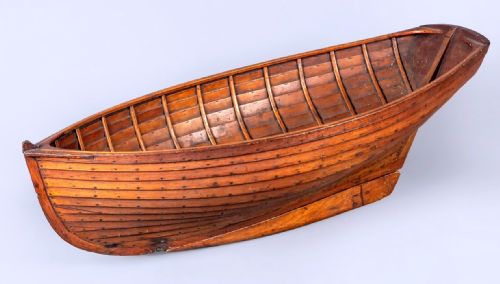


Nautical Model Boat
Nautical model boat pieces capture maritime history through intricate wooden hulls, canvas sails, and detailed diorama boxes.
Nautical Model Boat
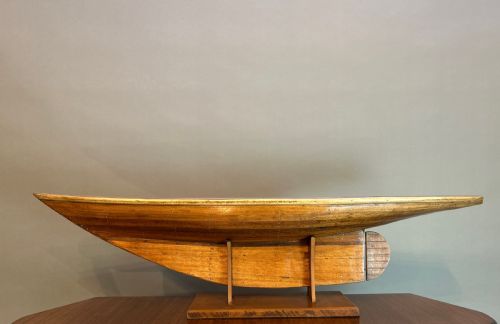
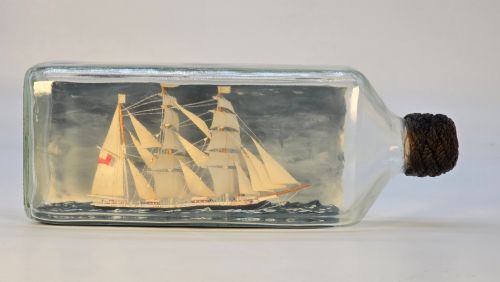
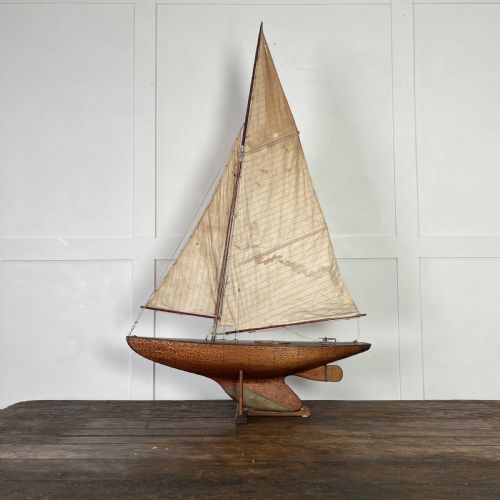
The selections span Victorian, Edwardian, and early twentieth-century eras, reflecting the maritime and folk art styles of their makers. Many pieces take the form of pond yachts designed for sailing, alongside ship models housed within glass bottles or shadow boxes.
How they were made
Craftsmen shaped timber and wood into hulls, often utilising carvel construction methods for pond yachts and scale models. Rigging was assembled using fine thread and metal components to replicate authentic sailing vessels.
Makers incorporated canvas for sails and paint to finish the wooden surfaces, while dioramas utilised glass panels to protect miniature coastal scenes. Ship-in-a-bottle examples required meticulous patience to arrange masts and rigging through narrow glass necks.
Nautical Model Boat Retail Price Guide 2026
Typical asking prices for nautical model boat among the pieces listed under this phrase on Sellingantiques today, from the lower quarter to the upper quarter. They describe what is for sale here now, not the wider market.
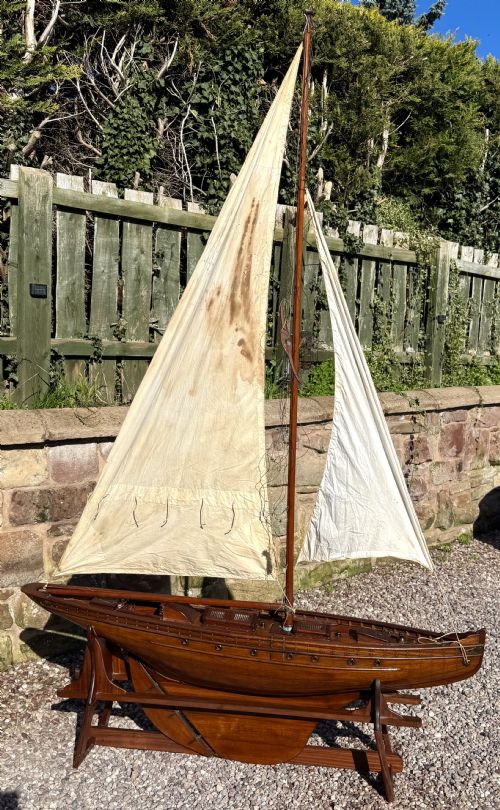
Some nineteenth-century pond yachts stand nearly eight feet high, requiring dedicated floor space rather than a simple shelf.
What varies in quality
The standard of a nautical model boat rests on the precision of its scratch-built rigging and the fidelity of its scale proportions. Early scratch-built examples often display greater individuality and complexity in their deck fittings than standard production models.
The integrity of the original wooden hull and the preservation of painted surfaces determine the overall presence of the piece. Cased dioramas benefit from intact glass enclosures and well-preserved internal settings that protect the delicate paper, thread, and wood elements inside.
The Nautical Model Boat Glossary
- Diorama
- A three-dimensional miniature scene enclosed within a box, frame, or bottle. These displays often depict sailing ships at sea with painted backdrops.
- Pond yacht
- A model sailing boat designed to be sailed on open water or ponds. They range in size from small desk models to large vessels standing several feet tall.
- Scratch-built
- A model constructed entirely from raw materials and individual components rather than from a commercial kit. This method demonstrates the independent skill of the maker.
- Carvel hull
- A shipbuilding technique where hull planks are laid edge-to-edge flush against a supporting frame. This creates a smooth exterior surface on the finished model.
- Half hull
- A model representing one side of a ship's hull, mounted on a backboard. Ship builders historically used these to study vessel forms and proportions.
Nautical Model Boat: Frequently Asked Questions
How do I display a pond yacht?
Large pond yachts typically require a sturdy wooden or metal stand to support their weight safely on a flat surface. Positioning them away from direct sunlight protects the painted wooden hulls and fabric sails from fading over time.
Ensure the display area has adequate clearance to accommodate the height of the masts and rigging. Many collectors place larger models on low tables or dedicated floor stands to showcase their full scale.
What is a ship diorama?
A ship diorama is a cased display featuring a model boat set against a painted background to simulate an ocean environment. These framed or boxed scenes protect the delicate rigging from dust and physical damage.
The enclosed nature of shadow box dioramas preserves the internal paper, thread, and wood components in their original condition. They were designed to hang directly on walls or rest on narrow mantel ledges.
How do I date an antique model boat?
Dating relies on examining the construction materials, hull form, and style of the rigging used by the maker. Nineteenth-century examples frequently feature carved wooden hulls and distinct folk art characteristics.
Documentation or naming found on the model, such as a specific historical vessel title, can also narrow down the period of origin. Comparing the construction methods to dated examples helps confirm whether a piece belongs to the Victorian or Edwardian era.