




Nautical Furniture
Nautical furniture brings the practical ingenuity of life at sea into domestic spaces, offering sturdy timber forms built to withstand the rigours of travel.
Nautical Furniture
When you search for nautical furniture, you encounter practical pieces designed specifically for use on ships and maritime vessels across the eighteenth, nineteenth and early twentieth centuries. These items combine space-saving design with robust construction to endure movement on the ocean.
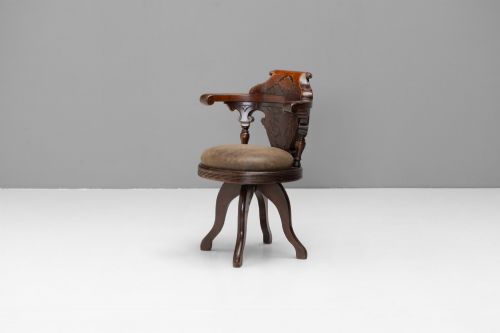
The selections on this page span from Georgian campaign pieces to Edwardian items, featuring practical forms such as washstands, chests of drawers, desks, and shelving units. Mahogany, teak, and oak dominate the construction, often paired with durable metal hardware.
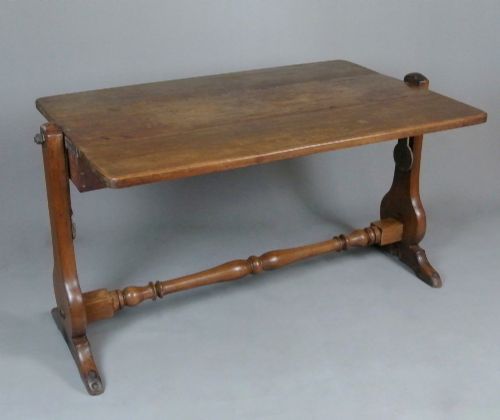
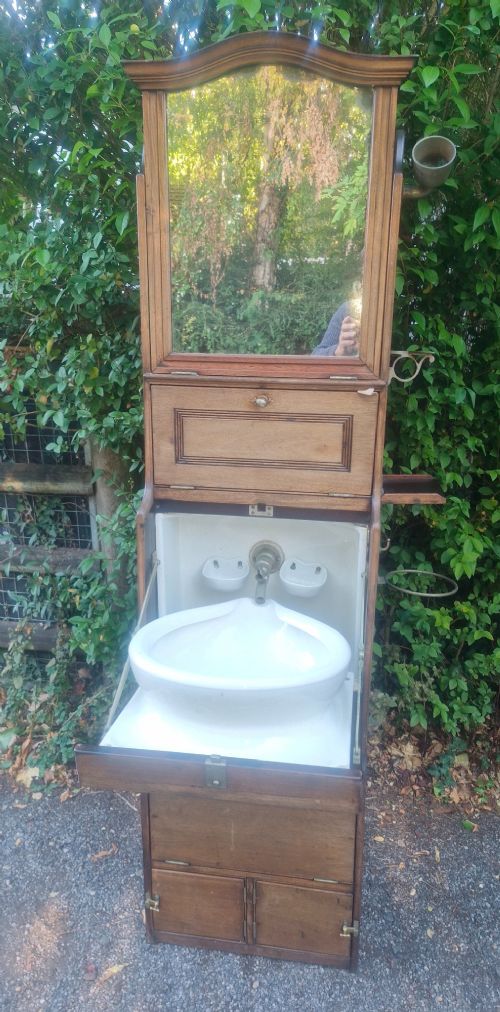
You are most likely to meet utilitarian forms adapted for tight cabins, including folding tables, tiered whatnots, and washstands that combine multiple functions into a single footprint. These survivals reflect the functional demands of officers and passengers afloat.
How they were made
Cabinet makers built these pieces using dense hardwoods like solid teak, mahogany, and oak to resist warping in humid marine environments. Timber selection prioritised durability and resilience over purely decorative grain patterns.
Makers integrated brass hardware, cast iron supports, and secure galleries to keep items and objects stable during heavy seas. Joints were engineered to withstand constant vibration and stress without failing.
Nautical Furniture Retail Price Guide 2026
Typical asking prices for nautical furniture among the pieces listed under this phrase on Sellingantiques today, from the lower quarter to the upper quarter. They describe what is for sale here now, not the wider market.
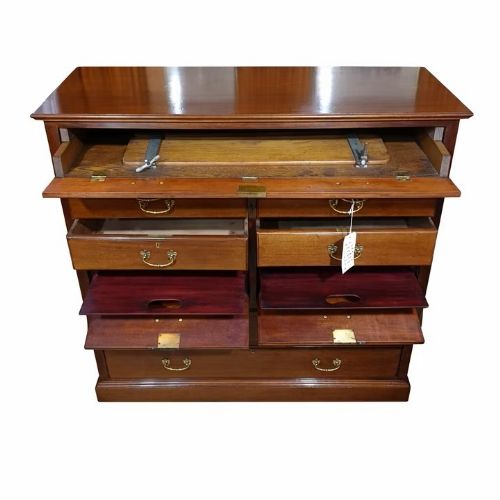
One listed chest of drawers carries the specific provenance of the SS Orontes, linking mundane storage directly to ocean liner travel.
What varies in quality
Quality rests in the cleverness of the mechanical adaptations and the weight of the metal fittings rather than mere ornamentation. Heavier brass galleries, secure locking mechanisms, and integrated adjustable book rests separate utilitarian items from finer officer-grade pieces.
The Nautical Furniture Glossary
- Campaign table
- A portable table designed to fold or dismantle easily for transport during military or maritime journeys. These pieces utilise clever hinges and removable legs to save space.
- Whatnot
- An open set of tiered shelves used for displaying or storing small items in confined spaces. On shipboard, these structures often feature protective brass galleries around each tier.
- Washstand
- A freestanding piece of furniture designed to hold a basin, jug, and washing accessories. Maritime versions frequently combine storage compartments and folding surfaces to maximise utility.
- Gallery
- A raised wooden or metal rim around the edge of a shelf, table, or desk to prevent objects from sliding off during movement. This feature is essential in marine environments.
Nautical Furniture: Frequently Asked Questions
What is nautical furniture?
Nautical furniture encompasses utilitarian and officer-grade pieces designed for use aboard ships, combining compact dimensions with exceptional structural resilience.
These items range from campaign tables and washstands to tiered shelves, all built to withstand the constant motion of travel at sea.
How do I identify a ship's chest?
Ship's chests typically feature robust brass carrying handles, reinforced corners, and durable timber construction intended to endure rough handling in tight quarters.
They often utilise compact proportions and secure locking mechanisms to keep contents safe during ocean voyages.
What woods were used?
Makers relied heavily on dense, moisture-resistant timbers such as teak, mahogany, and oak to prevent swelling and warping in marine conditions.
Pitch pine and other sturdy softwoods also appear in specific utilitarian pieces built for passenger vessels.
How do I live with these pieces?
Integrating nautical furniture into a modern interior relies on appreciating their compact footprints and functional design, which suit smaller rooms.
Their robust timber construction and clever brass details allow them to function naturally as striking focal points or practical everyday surfaces.