





Nautical Brass Decor
Nautical brass decor brings heavy metal hardware and utilitarian maritime instruments from ships into rooms.
Nautical Brass Decor
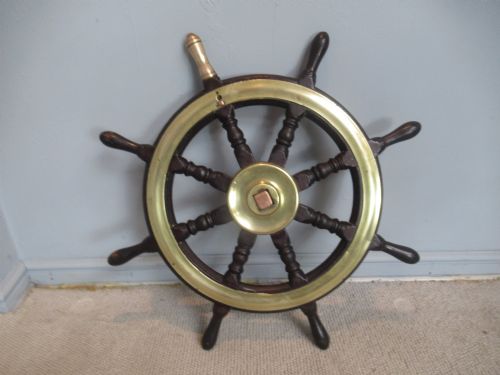
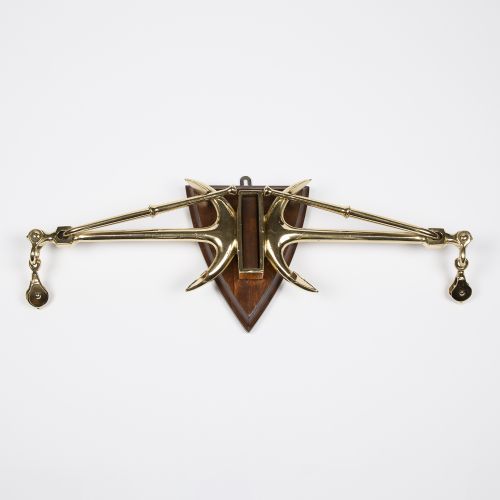
When you search for nautical brass decor, you encounter functional items salvaged from vessels and decorative objects styled after maritime equipment. The selections range from heavy teak and brass ships wheels to copper and brass ships lanterns and signal cannons.
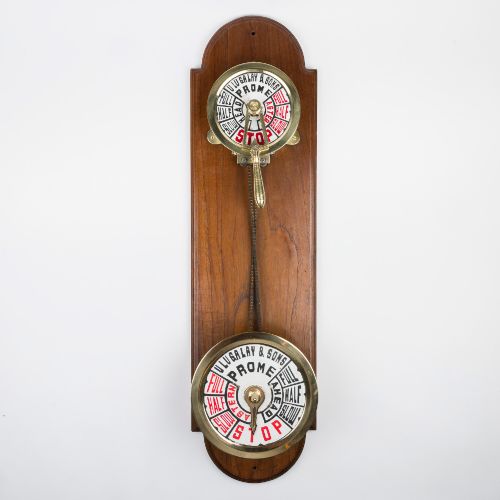
You are most likely to meet utilitarian pieces from the nineteenth and early twentieth centuries, including port holes, engine room telegraphs, and telescopes. These objects reflect the brass and copper hardware once essential to naval and merchant vessels.
What varies in quality
The standard of a piece depends on the weight and thickness of the cast metal and the integrity of the original mechanical components. Substantial brass port holes and functional engine room telegraphs demonstrate precise casting and robust construction.
Quality also rests on the authenticity of the maritime hardware and the preservation of original surfaces. Pieces retain greater interest when timber components like teak wheels and oak mounts display honest wear rather than modern restoration.
Nautical Brass Decor Retail Price Guide 2026
Typical asking prices for nautical brass decor among the pieces listed under this phrase on Sellingantiques today, from the lower quarter to the upper quarter. They describe what is for sale here now, not the wider market.
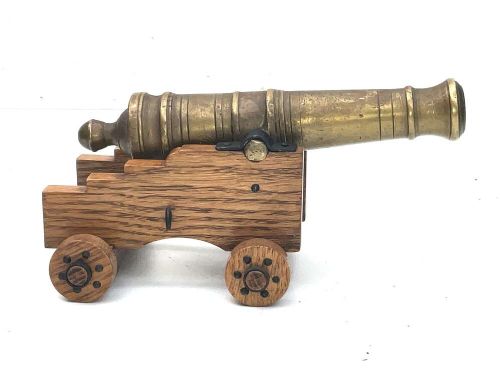
A brass barrelled cannon designed for a ship of the line brings surprising firepower to the mantelpiece.
Ulugary And Sons·Benson Electric Co USA·Dollond
The Nautical Brass Decor Glossary
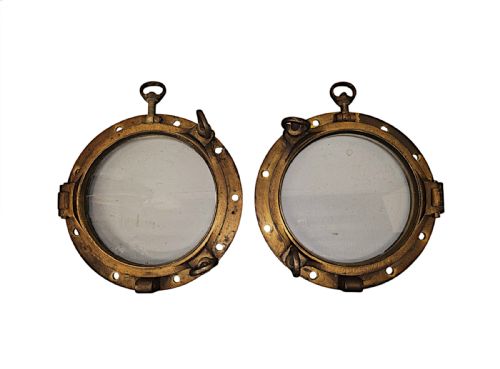
- Port hole
- A heavy metal window frame, usually circular, designed to fit into the hull or bulkhead of a ship. These frames use thick glass and hinged brass dogs to create a watertight seal.
- Engine room telegraph
- A communication device used by the pilot on the bridge to transmit orders to the engine room. These brass and metal instruments feature inscribed dials and operating levers.
- Signal cannon
- A small ordnance piece fired to signal times, start races, or salute vessels. Examples use bronze or brass barrels mounted on wooden carriages.
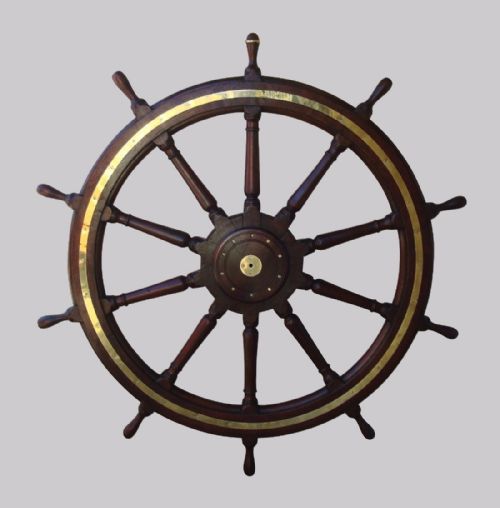
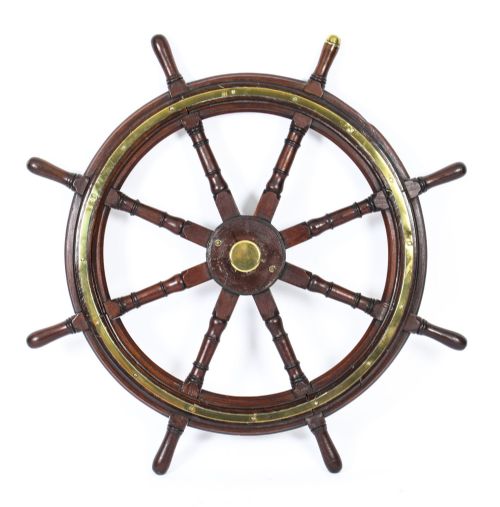
- Ships wheel
- The steering mechanism featuring radial spokes connected to a central timber hub and an outer rim. These large wooden and brass items were mounted to ship tillers and helms.
- Telescope
- An optical instrument used for navigation and sighting at sea. Portable brass and nickel-plated versions often incorporate protective leather or wood casing.
Nautical Brass Decor: Frequently Asked Questions
What is nautical brass decor?
Nautical brass decor comprises marine hardware, instruments, and utilitarian objects salvaged from ships or manufactured in maritime styles. These items include port holes, telegraphs, bells, and lanterns.
Materials typically feature cast brass, copper, glass, and dense timbers like teak and oak. They reflect the heavy-duty construction required for life at sea.
How were ships wheels made?
Ships wheels combine turned wooden spokes and rims, often fashioned from teak or oak, with central brass hubs and protective metal banding. The wood provides strength while the metal reinforces the core axle.
Dimensions vary from tabletop bookends to massive steering wheels spanning several feet across. Their construction directly relates to the leverage needed to turn a ship's rudder.
How do I date a brass port hole?
Dating a port hole involves examining the weight of the brass, the fastening mechanism of the dogs, and the thickness of the glass. Victorian and nineteenth-century examples often display sand-cast textures and maker stamps.
Later twentieth-century versions show more uniform machine manufacturing and different alloy compositions. Comparing the hinge style and mounting flange helps narrow down the period.
Where can I place these items in a room?
These pieces suit spaces where heavy metal hardware and maritime history create a strong focal point. Wall-mounted items like port holes and telegraphs function well as architectural accents.
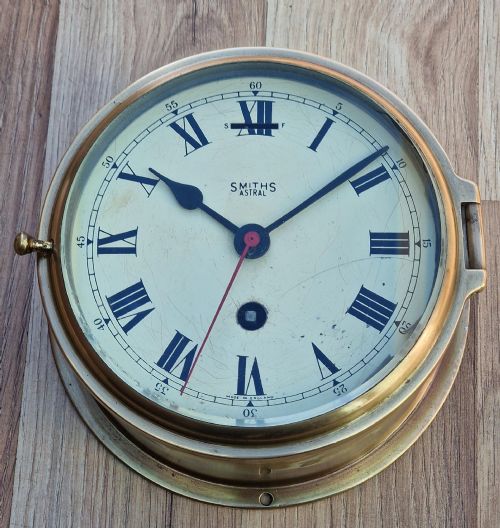
Smaller objects such as tabletop telescopes, clocks, and bookends fit easily on desks or bookshelves. Larger items like steering wheels require wall space or floor clearance to support their scale.