





Nature Watercolour Painting
Nature watercolour painting brings the quiet detail of the countryside indoors through delicate washes and careful observation.
Nature Watercolour Painting
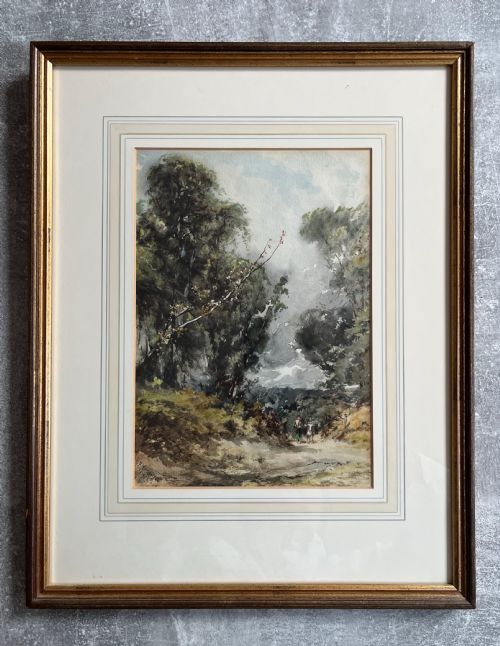
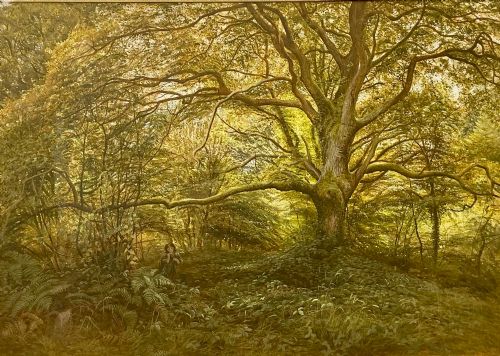
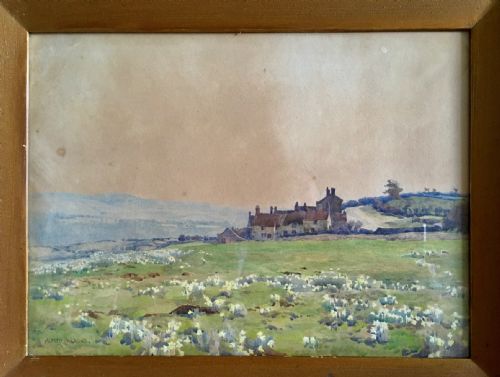
A nature watercolour painting captures rural scenes, woodland views, river landscapes, and detailed studies of flora and fauna. Buyers seeking these works find original pieces executed on paper, often preserved behind glass in period wooden frames.
The selection ranges from Victorian naturalism to early twentieth-century fine art and impressionist interpretations of the British countryside. The most common examples met here date from the nineteenth and early twentieth centuries, reflecting a strong historical interest in botanical and landscape observation.
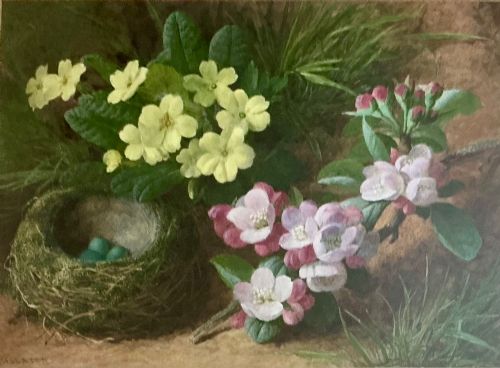
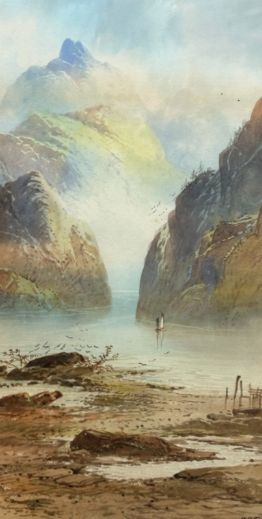
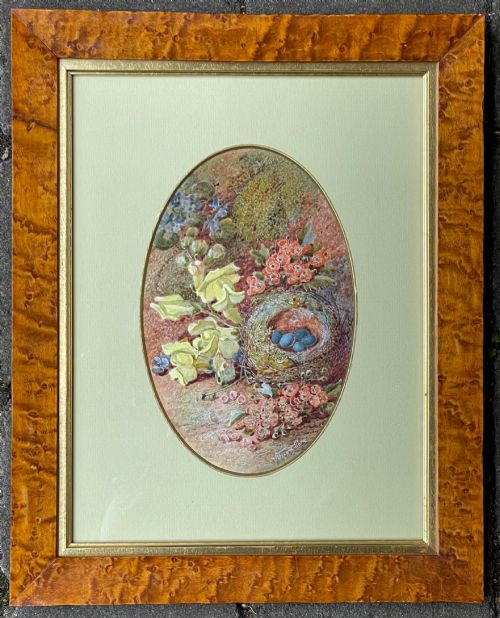
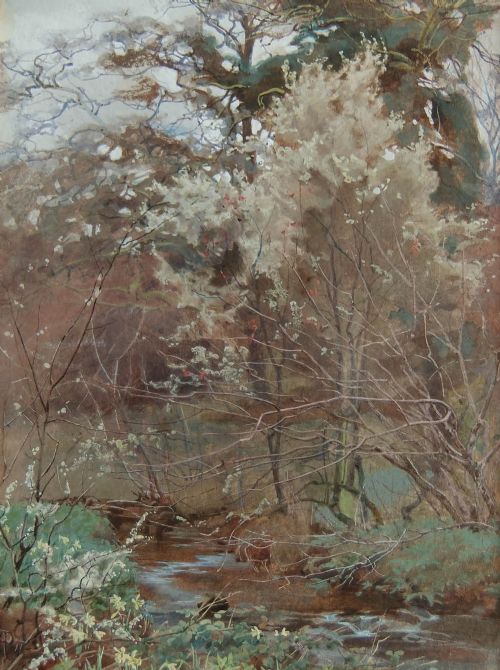
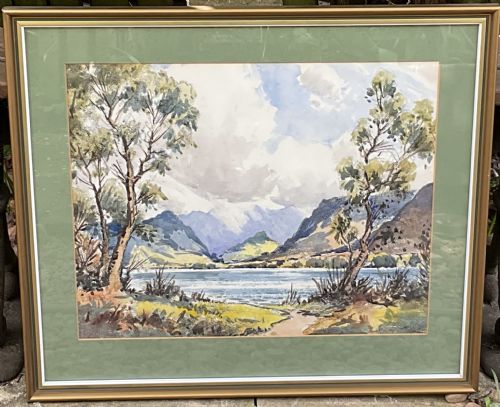
Works span expansive views of Scottish lochs and Welsh rivers to intimate studies of birds, nests, and blossoming branches. Each painting offers a distinct window into natural history and topography as recorded by artists working across different decades.
How they were made
Artists built these images using watercolour pigment applied to paper, occasionally combining gouache or ink to add depth and fine linear detail. Some compositions incorporate gold leaf, elevating specific elements within the design.
The physical support consists primarily of paper housed within wooden frames, protected beneath glass to shield the delicate pigments from moisture and light. Drawings often began as pen and ink sketches before translucent washes of colour were layered across the sheet.
Nature Watercolour Painting Retail Price Guide 2026
Typical asking prices for nature watercolour painting among the pieces listed under this phrase on Sellingantiques today, from the lower quarter to the upper quarter. They describe what is for sale here now, not the wider market.
Listings feature works executed on paper using watercolour pigment, gouache, and ink across the nineteenth and twentieth centuries.
What varies in quality
Quality rests upon the sureness of the brushwork and the precision with which the artist renders natural forms, from the intricate structure of a bird's nest to the atmosphere of a woodland path. Skilled handling of light and pigment creates depth and luminosity that distinguishes superior compositions from stiffer, more formulaic efforts.
The preservation of the paper and the vibrancy of the original watercolour pigments also govern the standing of a piece. Works that retain their tonal balance without excessive fading demonstrate careful historical stewardship and superior materials.
George Fotherly Hargitt·William Henry Earp·William Joseph Boyes·Vincent Clare·Bonomi Edward Warren·William Hoggatt·George Arthur Fripp·Eloise Harriet Stannard·Rowland Henry Hill·William Stephen Coleman·John Hobson Nicholson·R L Howey·Alfred W Parsons·AJ Thornton·Charles Branwhite·John Sherrin·James Kinnear·Paul Louis Barruel·Donald Watson·Fred Lawson
The Nature Watercolour Painting Glossary
- Watercolour
- A painting method where fine pigment is suspended in a water-based solution and applied to paper. It relies on the white of the paper to shine through translucent washes.
- Gouache
- An opaque water-based paint that includes a binding agent and white pigment, creating a heavier, denser finish than traditional watercolour. Artists often use it to highlight details.
- Impressionism
- A style focused on capturing the visual impression of a moment, paying particular attention to shifting light and natural atmosphere rather than rigid photographic accuracy.
- Victorian Naturalism
- An artistic movement characterised by meticulous observation and faithful recording of the natural world, frequently seen in detailed depictions of plants and birds.
Nature Watercolour Painting: Frequently Asked Questions
How should I frame a watercolour?
Watercolours require framing behind glass with a mount that keeps the paper from touching the glazing directly. This separation prevents moisture accumulation and protects the fragile pigments over time.
Keeping the framed work away from direct sunlight preserves the original tones of the pigment and prevents the paper from yellowing.
How do I identify a Victorian piece?
Victorian examples often display meticulous attention to natural detail, adherence to Victorian naturalism, and traditional framing methods using wood. Signatures, dates, and inscriptions on the reverse frequently provide concrete historical context.
The paper stock and framing materials also offer clues to the age of the artwork, aligning with nineteenth-century production standards.
Where were these landscapes painted?
Many works record specific British and Manx locations, including Scottish lochs, Welsh rivers, Devon streams, and the Isle of Man. Artists travelled extensively to capture authentic rural scenery.
Inscribed titles on the paintings or original mounts usually identify the exact geographic setting depicted by the artist.
What subjects are most common?
Common subjects include woodland paths, river landscapes, coastal views, and close studies of flowers, nests, and birds. These themes reflect a nineteenth and early twentieth-century preoccupation with the British countryside.
Artists balanced expansive topographical views with intimate still life compositions focusing on natural specimens.