




Nature Landscape Art
Nature landscape art captures outdoor scenes through oil paint and watercolour across periods from the Victorian era to the mid-twentieth century.
Nature Landscape Art
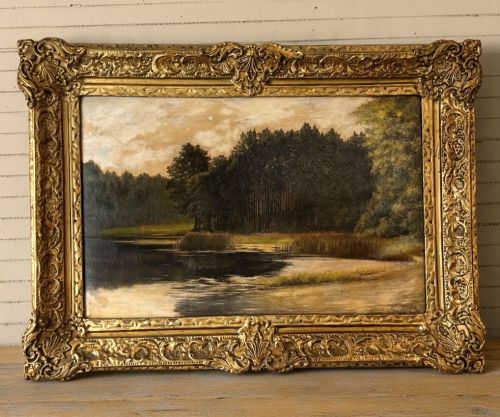
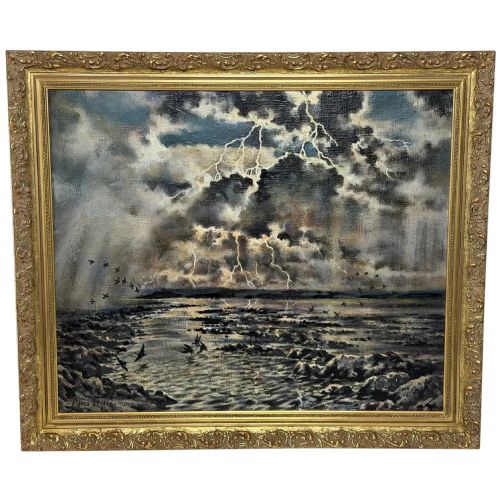
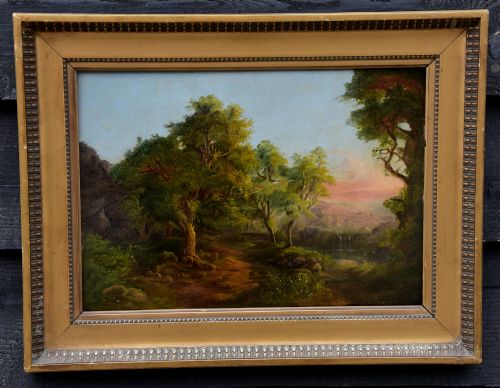
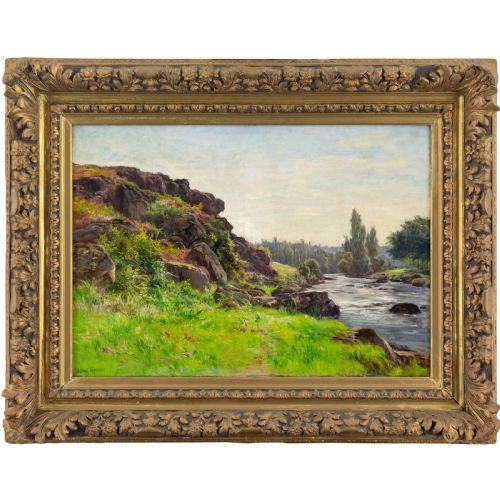
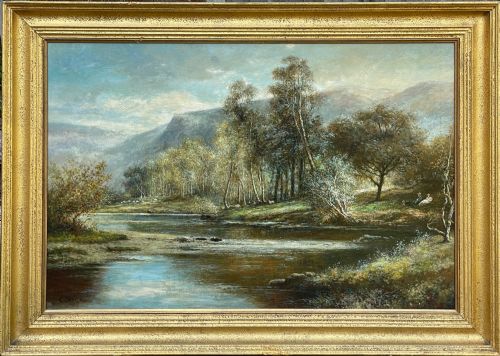
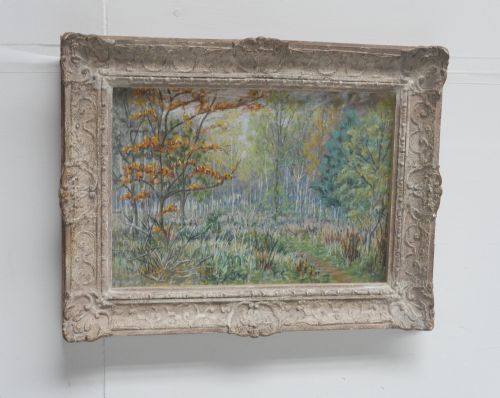
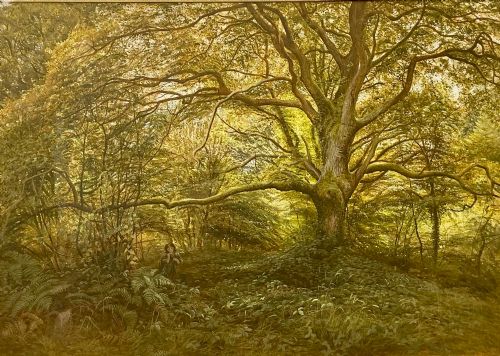
When buyers search for nature landscape art, they encounter framed works depicting rural views, woodland scenes, rivers, and lochs. These pieces record the British and European countryside through the eyes of artists working from the nineteenth century into the mid-twentieth century.
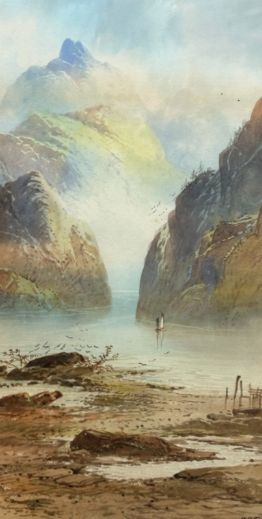
The most common formats on this page are oil paintings on canvas or board and watercolours on paper. Subjects range from quiet Scottish highlands and Welsh riverbanks to sunlit orchards and hedgerows.
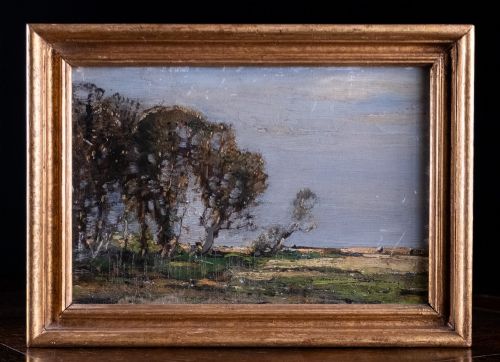
Works appear from specific periods including Victorian, Edwardian, and the decades leading up to nineteen sixty. Each piece reflects the shifting artistic styles of its time, moving from nineteenth century naturalism towards impressionist treatments of light and colour.
Materials and techniques
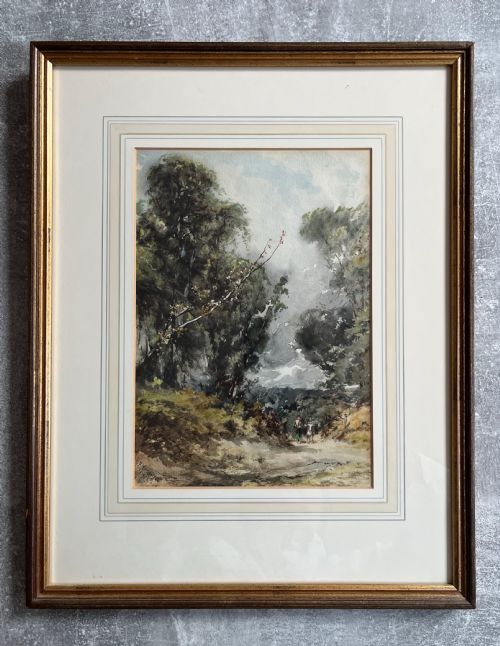
Painters utilised oil paint on canvas or board to build rich textures and deep colour fields, often capturing the changing qualities of light in woodlands and rivers. Watercolours on paper offered a lighter medium for swift execution outdoors, preserving transparent washes that define skies and water.
Support materials include wood panels, stretched canvas, and heavy paper sheets framed behind glass or mounted simply. Gold leaf occasionally highlights period frames, complementing the traditional pigments utilised by artists of the Victorian and later eras.
Nature Landscape Art Retail Price Guide 2026
Typical asking prices for nature landscape art among the pieces listed under this phrase on Sellingantiques today, from the lower quarter to the upper quarter. They describe what is for sale here now, not the wider market.
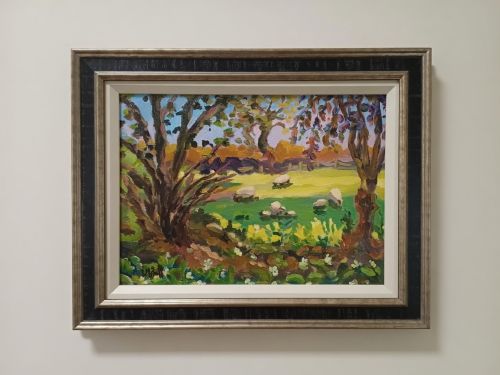
Sheep grazing amongst wild garlic make occasional appearances, proving that even meadow art enjoys a good snack.
Judging quality in landscape works
Quality rests upon the artist's handling of perspective, light, and atmosphere within the composition. Stronger works demonstrate confident brushwork and a coherent sense of depth, whereas weaker examples rely on formulaic foliage and flat, uninspired colour palettes.
The integration of the frame with the painting alters the overall presence of the piece. Period frames that suit the scale and palette of the artwork elevate the presentation far above mismatched modern replacements.
Willem J Palman·George Fotherly Hargitt·William Henry Earp·Kershaw Schofield·Gabriel Mathieu·Lucy Pratt·Peter Newcombe·Bonomi Edward Warren·Margaret Maitland Howard·William Hoggatt·William Mellor·George Arthur Fripp·John Wright Oakes·William Langley·Rowland Henry Hill·William Stephen Coleman·John Hobson Nicholson·Alfred W Parsons·Charles Branwhite
The Nature Landscape Art Glossary
- Watercolour
- A painting method where fine pigment is suspended in a water-based solution, typically applied to paper to create translucent washes.
- Oil paint
- A slow-drying paint made by mixing pigments with oils such as linseed, allowing for thick impasto applications or thin glazes.
- Impressionism
- An artistic approach focusing on accurate depiction of light and its shifting qualities rather than minute detail.
- Gouache
- An opaque water-based paint that dries to a matte finish, used frequently for gouache paintings on paper.
- Provenance
- The documented history of a piece, establishing its origin and previous ownership.
Nature Landscape Art: Frequently Asked Questions
How do I date a landscape painting?
Dating relies on stylistic clues, framing methods, and artist signatures where available. Nineteenth-century works often show heavier varnish and detailed naturalism, while mid-century pieces lean towards looser impressionistic brushwork.
Examining the back of the canvas, board, or paper backing can reveal period labels, inscriptions, or stamps that narrow down the decade of creation.
Where should I hang a watercolour?
Watercolours require placement away from direct, harsh sunlight to prevent the pigments and paper from fading over time. Maintaining a stable indoor humidity also protects the paper and the original mount.
Grouping smaller rural watercolours together on a shaded wall creates an effective focal point without risking environmental damage.
What is the difference between oil and watercolour?
Oil paint uses an oil binder that dries slowly, allowing artists to blend colours directly on the canvas and build textured layers. Watercolour uses water-soluble binders on paper, creating luminous, transparent effects that depend on the white of the paper underneath.
Oils are typically framed under open air with a protective varnish, whereas watercolours require glass to shield the paper surface.
How do I clean an antique frame?
Cleaning antique frames requires a dry, soft brush to gently remove dust from carved details and gilt surfaces. Introducing moisture or chemical cleaners can strip fragile gold leaf and historical finishes.
Professional conservators should handle any deeper cleaning or repair work on original nineteenth-century frames.