





Natural Wood Boxes
Natural wood boxes bring raw timber and utilitarian craft into modern rooms, offering practical storage that holds centuries of character.
Natural Wood Boxes
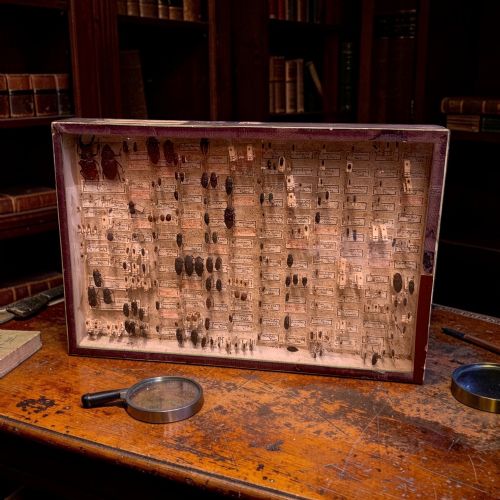
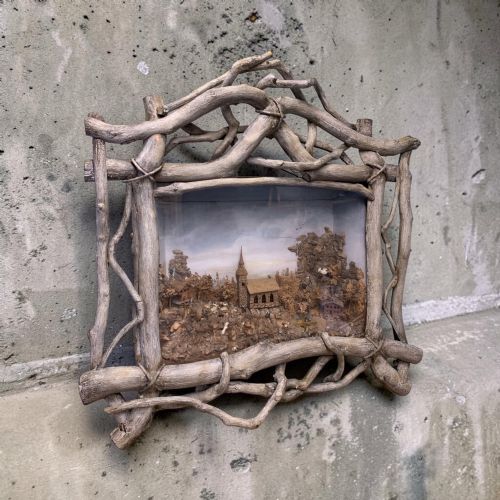
The selection extends to specialised timber containers designed for display and collection, including Victorian entomology cases, specimen collector cabinets, and natural history bird displays. These specialised enclosures merge carpentry with the preservation of natural curiosities, utilising glass and wood frames to protect delicate contents.
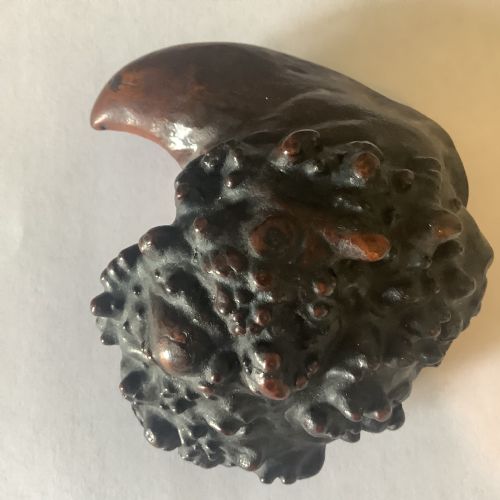
Smaller personal containers also appear under this designation, notably snuff boxes carved from burr walnut alongside gaming sets housed in fitted wooden boxes. These pieces demonstrate how cabinetmakers utilised figured woods and native timbers to create tactile everyday items.
Materials and Construction
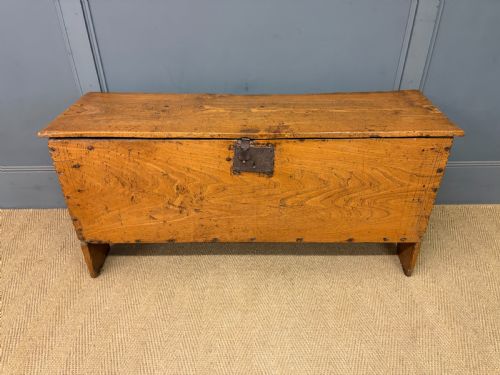
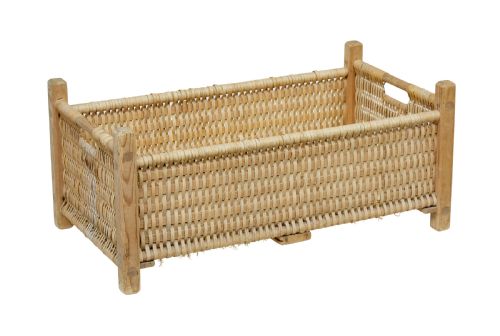
Carpenters utilised native and imported timbers, selecting sturdy pine, dense elm, teak, and highly figured burr walnut for durability and visual grain pattern. Construction methods relied on traditional joinery, pegged joints, and hand-woven construction seen in regional Scandinavian pine baskets.
Hardware played a structural and decorative role, with heavy iron banding reinforcing large merchants chests and blanket boxes for transit and heavy domestic use. Glazing and delicate framing were additionally employed in entomology cases and specimen displays to secure fragile contents.
Natural Wood Boxes Retail Price Guide 2026
Typical asking prices for natural wood boxes among the pieces listed under this phrase on Sellingantiques today, from the lower quarter to the upper quarter. They describe what is for sale here now, not the wider market.
The selection encompasses diverse utilitarian forms including taxidermy display cases, storage chests, log baskets, and specimen cabinets.
Assessing Quality
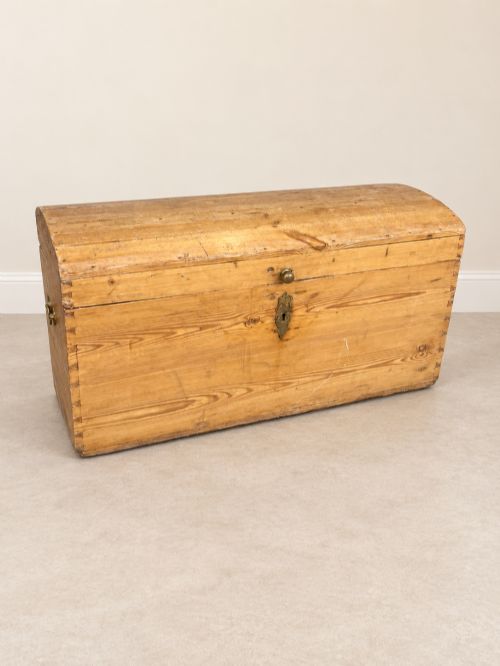
Quality rests in the integrity of the timber selection and the precision of the primary joinery, where visible hand-cut dovetails or solid board construction distinguish finer examples. The handling of figured grains, such as the natural curves of burr walnut or the selection of solid elm, dictates the visual impact of the piece.
Preservation of original surfaces and hardware dictates overall merit, particularly when iron bands, hinges, and glass panels remain undisturbed over centuries. Pieces that retain their original fitted interiors or functional integrity without intrusive modern alterations command greater interest.
The Natural Wood Boxes Glossary
- Coffer
- A heavy wooden chest traditionally used for storing valuables or dry goods. These domestic storage pieces typically feature robust board construction and hinged lids.
- Burr walnut
- A prized timber harvested from the wart-like growth on a walnut tree. It yields highly swirling, complex grain patterns favoured for small luxury containers and snuff boxes.
- Entomology case
- A specialised wooden cabinet or box fitted with glass and internal framing to house insect collections. These display pieces protect delicate specimens from dust and light.
- Blanket box
- A large rectangular chest designed for holding textiles and bedding. They frequently utilise plain pine or heavy native timbers for everyday household utility.
- Folk art
- Utilitarian objects and decorative items created by self-taught makers or regional craftspeople. The category includes hand-woven baskets, dioramas, and shell work.
Natural Wood Boxes: Frequently Asked Questions
What were wooden coffers used for?
Wooden coffers served as primary storage vessels in homes and merchant establishments for holding textiles, valuables, and dry provisions. Their heavy construction provided security and protection against damp conditions.
Over time, these large chests transitioned from utilitarian furniture into decorative storage pieces that anchor modern interiors with historical weight.
How do I identify a Victorian specimen case?
Victorian specimen cases are characterised by glazed wooden frames designed to display natural history items, such as birds, insects, or botanical collections. They often feature tight internal seals to protect fragile taxidermy from environmental damage.
Examining the backing boards, old glass, and framing techniques helps verify the nineteenth-century origin of these display cabinets.
Are these boxes suitable for daily storage?
Many of these wooden chests and boxes remain entirely functional for organising blankets, books, and household items. Their durable joinery and solid timber construction withstand everyday use while adding texture to a room.
Placing them away from direct heat sources and sudden humidity shifts ensures the old wood and original joints remain stable.