





Natural Timber Farmhouse Table
A natural timber farmhouse table brings warmth and honest utility to a kitchen, offering a solid surface built for daily life.
Natural Timber Farmhouse Table
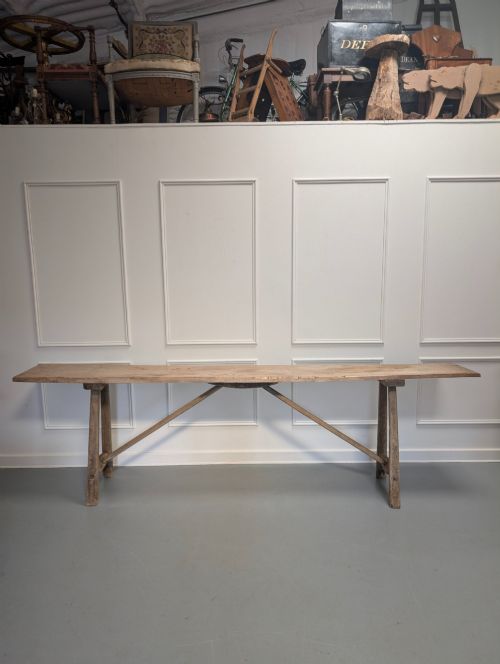
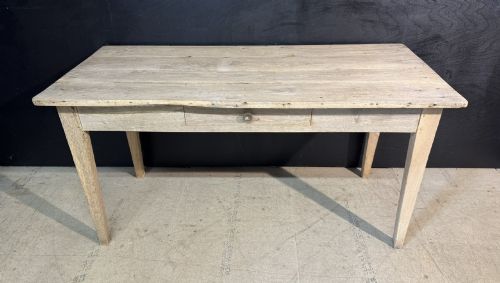
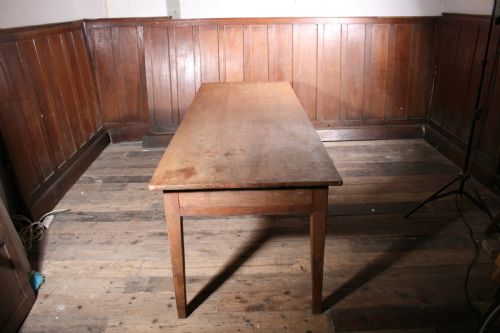
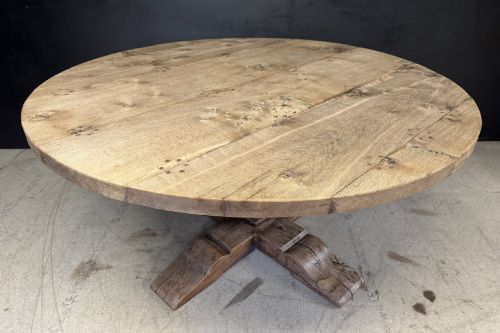
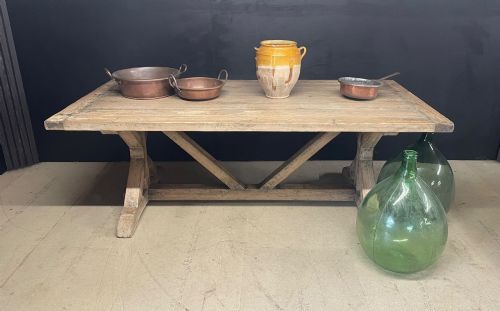
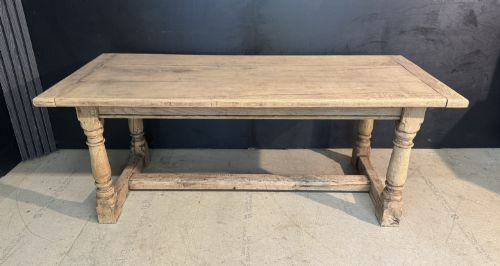
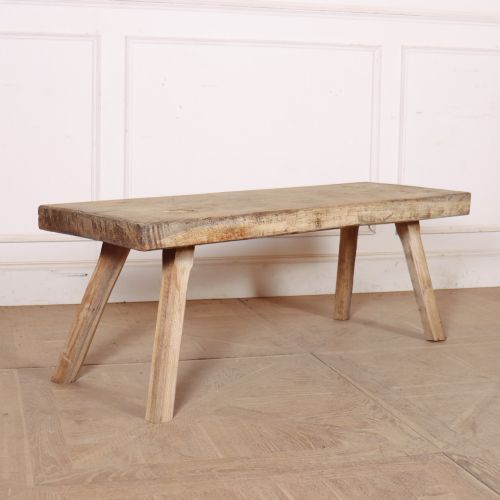
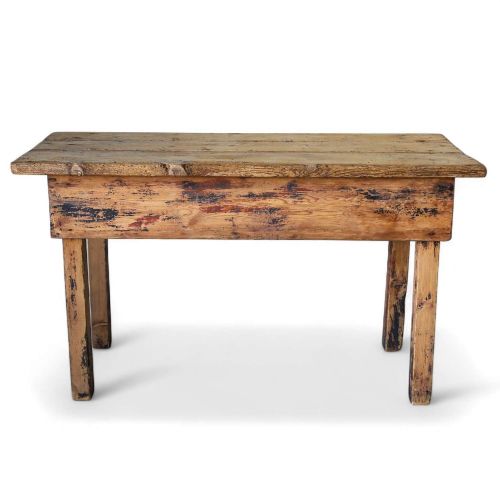
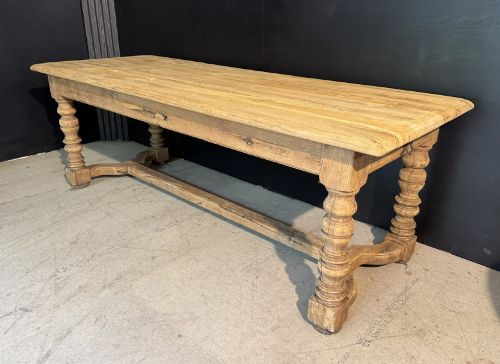
A natural timber farmhouse table provides a sturdy centrepiece for kitchens and dining spaces, rooted in practical domestic history. When searching for a natural timber farmhouse table, buyers encounter various forms including large dining formats, compact work tables, and occasional coffee tables.
The material palette draws heavily on regional traditions, featuring pine, oak, elm, and sycamore timbers. Pieces originate from diverse periods spanning the nineteenth century through to the nineteen thirties, encompassing both British country pieces and French provincial examples.
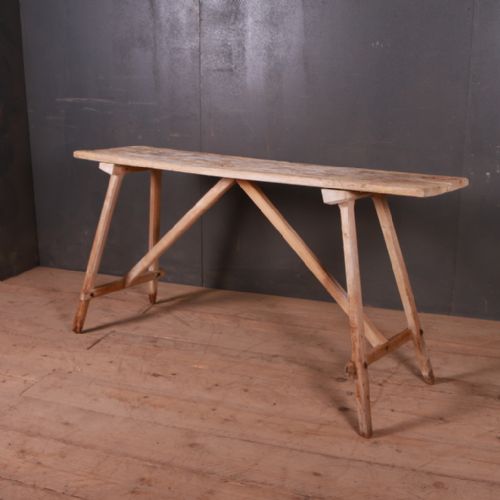
Makers shaped these surfaces for heavy domestic labour, food preparation, and communal dining. Simple square section supports, trestle bases, and occasional drawer additions reflect the straightforward functional requirements of rural homes.
Assessing quality and character
Quality rests in the integrity of the solid timber and the honesty of the construction, rather than decorative embellishment. Tables fashioned from dense oak, ash, or sycamore generally demonstrate greater resilience than softer pine alternatives.
Proportion and the handling of the timber define the better examples, where scrubbed surfaces highlight natural patination rather than artificial masking. The presence of integrated drawers or sound trestle bracing adds structural interest without compromising the utilitarian purpose.
Natural Timber Farmhouse Table Retail Price Guide 2026
Typical asking prices for natural timber farmhouse table among the pieces listed under this phrase on Sellingantiques today, from the lower quarter to the upper quarter. They describe what is for sale here now, not the wider market.
Several tables arrive with built-in drawers, proving that even historical cooks needed a handy spot to hide away stray pastry cutters.
The Natural Timber Farmhouse Table Glossary
- Scrubbed pine
- Pine timber cleaned repeatedly with water and a stiff brush, removing surface dirt and leaving a pale, matte texture. This finish is typical of utilitarian kitchen tables.
- Trestle table
- A table structure comprising two or more support frames connected by a horizontal beam. This design provides sturdy legroom beneath the surface.
- Bleached oak
- Oak timber treated to lighten its natural tone while retaining visible grain patterns. The process offers a contemporary aesthetic derived from older materials.
- Square section supports
- Straight table legs cut with square cross-sections rather than turned curves. They provide a plain, sturdy foundation found on many work tables.
Natural Timber Farmhouse Table: Frequently Asked Questions
How do I clean a scrubbed pine table?
Scrubbed pine surfaces respond well to warm water and mild soap applied with a natural bristle brush, following the direction of the grain.
Avoid harsh chemical cleaners that strip the natural patination and dry out the historic timber.
Are these tables suitable for daily dining?
These pieces were originally constructed for heavy domestic use, making them durable companions for modern family meals.
Their solid wood construction handles regular daily wear while accumulating character over time.
What is the difference between oak and pine farmhouse tables?
Oak provides a denser, harder surface with prominent grain patterns that resists heavy impact and deep marking.
Pine offers a softer texture that patinates more quickly, often showing lighter coloration when scrubbed.
How can I date an antique wooden table?
Dating relies on observing construction marks, hardware types, timber choices, and overall joinery techniques characteristic of specific periods.
Nineteenth-century examples frequently feature hand-sawn boards and pegged joints distinct from later twentieth-century manufacturing.