





Natural Root Sculpture
Natural root sculpture brings the eccentric, tangled forms of the woodland and thicket straight into the room as distinct works of art and furniture.
Natural Root Sculpture
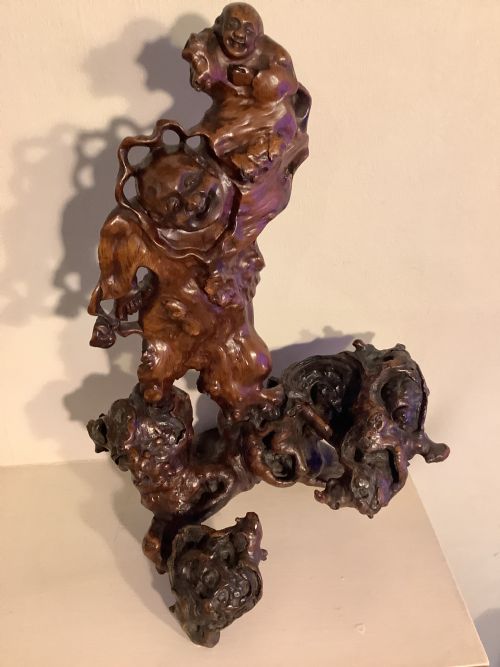
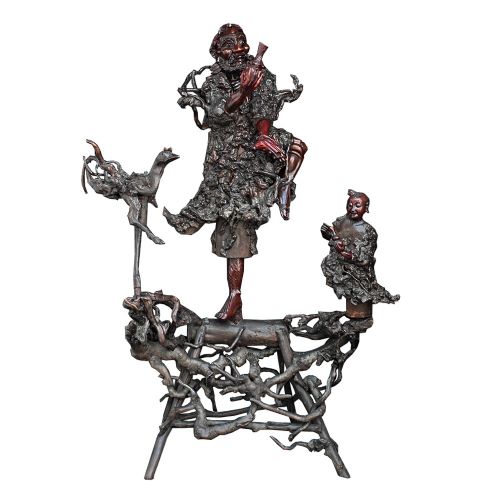
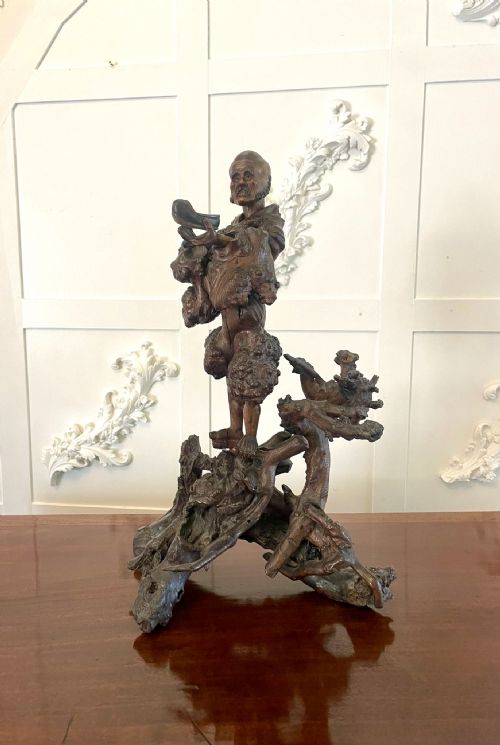
Natural root sculpture encompasses a fascinating array of decorative objects, furniture and figures shaped from gnarled timber and underground growths. These pieces range from Victorian rustic branch figures and polished yew wood sculptures to intricate Chinese rootwood carvings of scholars and figures from the nineteenth century.
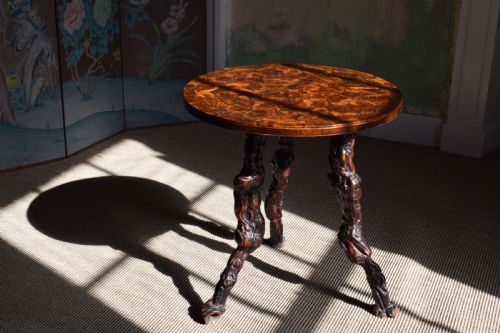
Buyers frequently encounter functional items alongside purely decorative works, including side tables topped with quartz, carved table lamps and advertising signs formed from briar. The aesthetic relies heavily on the organic twists of the timber, celebrating the natural anomalies of the growing tree rather than imposing a rigid geometric form.
Originating across distinct periods such as the nineteenth century and the early twentieth century, these works bridge folk art, naturalism and organic modernism. Pieces span various specific materials like rootwood, burr walnut, hardwood and grapevine wood, each presenting unique tactile surfaces.
Materials and construction
Craftsmen utilised dense, figured woods such as burr walnut, rootwood, yew and briar, selecting specimens with complex grain patterns and eccentric growths. These materials required careful seasoning and cleaning to stabilise the timber while retaining its raw, organic contours.
Makers worked directly with the natural lines of the root or branch, employing hand-carving techniques only where necessary to define a figure, such as a man with a boy, or to flatten a surface for a table or lamp base. Polishing and oiling were often applied to deepen the lustre of the burr and grain without masking the natural texture.
Natural Root Sculpture Retail Price Guide 2026
Typical asking prices for natural root sculpture among the pieces listed under this phrase on Sellingantiques today, from the lower quarter to the upper quarter. They describe what is for sale here now, not the wider market.
The selection spans the nineteenth century through to nineteen thirty, featuring materials from burr walnut and grapevine wood to standard rootwood.
Assessing quality and character
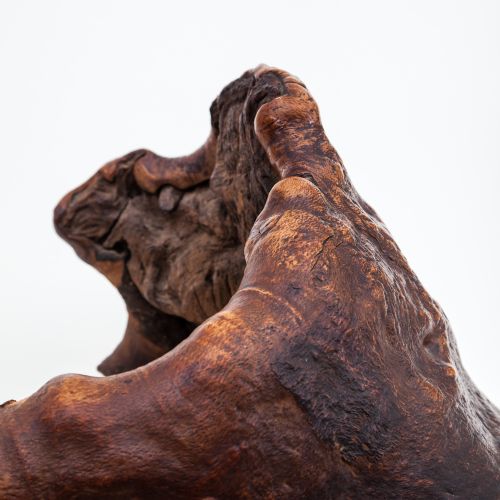
Quality rests primarily on the expressive potential of the raw timber and the restraint of the maker in allowing the natural form to speak. Superior examples display deep, complex gnarling and dynamic movement, whereas lesser items suffer from stiff, uninspired lines that fail to exploit the material's eccentricities.
The integration of function and form dictates value in pieces like rootwood tables and stands, where a stable base must balance an irregular silhouette. Condition also matters, particularly the retention of original polished surfaces and the absence of clumsy repairs to brittle root fibres.
The Natural Root Sculpture Glossary
- Rootwood
- Timber taken from the root system of a tree, prized for its dense, highly twisted grain and irregular, sculptural formations. This material forms the foundation of many traditional carvings and rustic furnishings.
- Burr
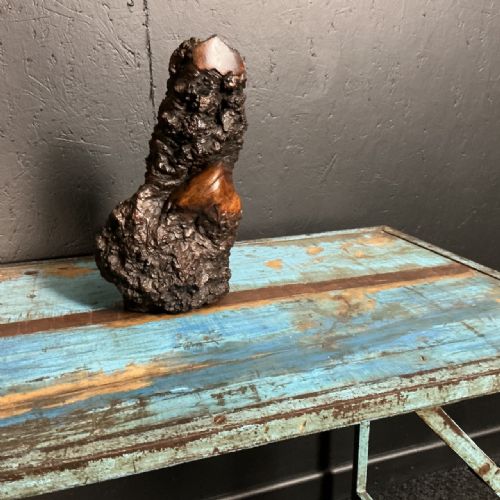
- A growth on a tree where the grain has grown in a deformed manner, resulting in swirling patterns and knots. Burr walnut and root wood are especially sought after for their rich visual texture.
- Folk art
- Utilitarian or decorative items made by self-taught or traditional craftsmen, often utilising readily available local materials like branches and roots. These pieces carry a strong sense of vernacular expression.
- Organic modern
- A design approach that incorporates natural, flowing shapes and raw materials into interior furnishings. This style finds clear precursors in nineteenth-century rustic root furniture and carvings.
Natural Root Sculpture: Frequently Asked Questions
What is a natural root sculpture?
A natural root sculpture is a decorative object or piece of furniture shaped from the twisted, gnarled roots and branches of trees. Makers highlight the inherent, eccentric contours of the wood rather than cutting it into standard planks.
These pieces celebrate organic forms, ranging from abstract polished wood sculptures to detailed Chinese figures and functional tables.
How do I date a root wood carving?
Dating relies on examining the tool marks, the style of the carving, and the patina of the wood over time. Nineteenth-century pieces often show hand-finished surfaces and specific regional carving traditions, such as Victorian rustic work or Qing dynasty scholar carvings.
Comparing the species of wood and the construction methods used for integrated bases or stands also helps establish the era of origin.
Were these pieces used as furniture?
Yes, many root wood items served a practical purpose alongside their decorative appeal. Makers fashioned sturdy root systems into side tables, display stands, and even table lamps.
Some tables incorporate stone inserts, such as deep quartz tops, resting securely within the gnarled wooden framework.
How should I care for root wood furniture?
Keep root wood pieces away from direct heat sources and sudden humidity changes to prevent the timber from splitting. Dust gently with a dry, soft cloth and occasionally apply a suitable natural wax to nourish the grain.
Avoid harsh chemical cleaners that can strip the aged patina and dry out the intricate grain.