


Natural Pine Shelf
A natural pine shelf brings warmth and utility to any room, offering straightforward timber storage shaped by generations of practical use.
Natural Pine Shelf
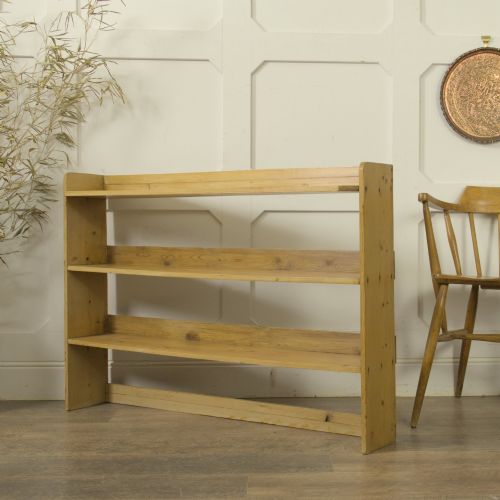
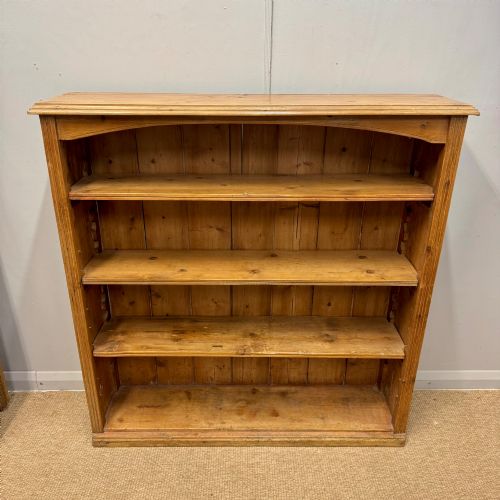
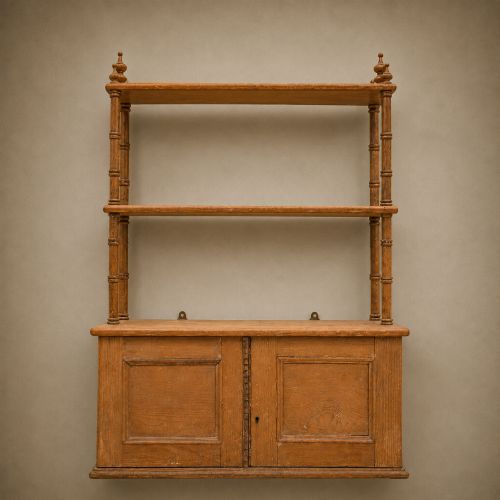
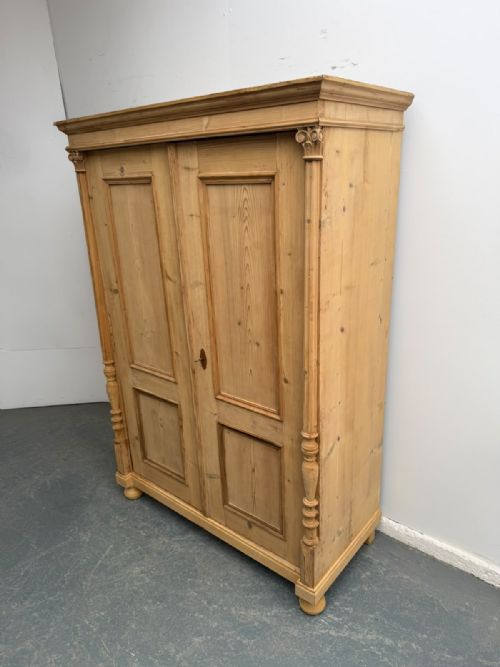
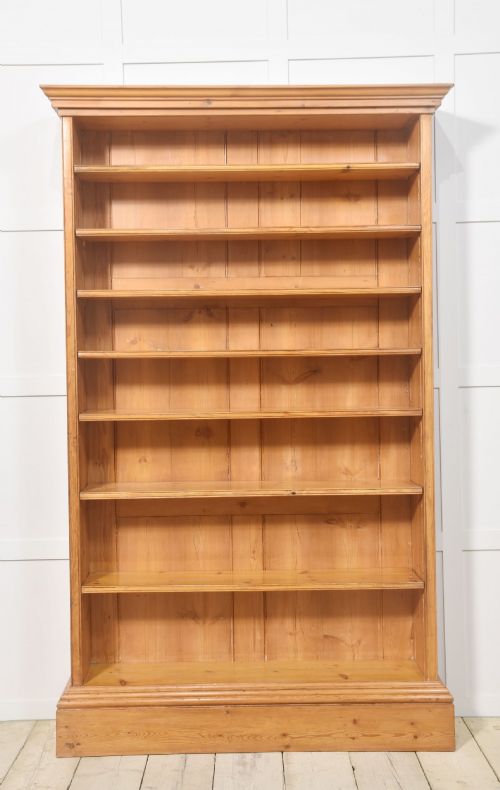
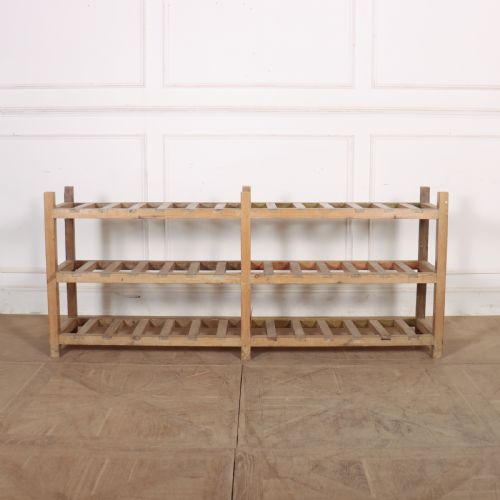
A natural pine shelf search brings up a variety of utilitarian timber furniture, most frequently encountered as wall-mounted pine wall shelves, open bookcases, and storage cabinets from the eighteenth, nineteenth, and early twentieth centuries. These pieces reflect practical domestic needs, ranging from simple kitchen racks to adjustable storage cupboards built in regional workshops.
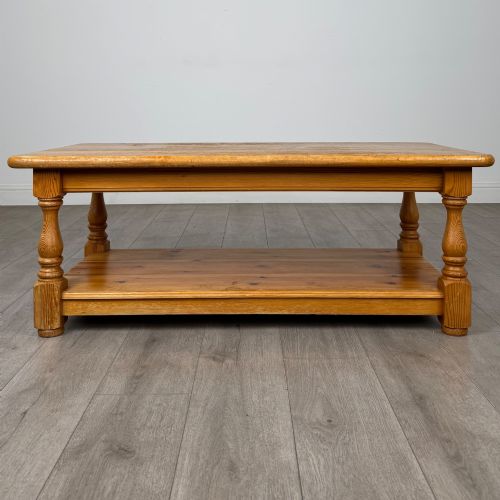
The selection on this page spans several distinct forms beyond standard ledges, including corner cabinets, coffee tables, shoe racks, and work tables. Each item demonstrates the enduring appeal of softwood timber, whether left in a clean wax finish or retaining traces of earlier paint.
Stylistically, the pieces lean towards rustic farmhouse, Victorian country, and Georgian designs. They show the honest construction methods of their respective periods, utilising solid timber boards and straightforward joinery to create functional household furnishings.
How they were made
These pieces rely entirely on solid pine and related timber boards, often shaped with hand tools in local workshops before the widespread adoption of mass production. Carpenters selected softwood for its workability, joining planks with traditional methods to build sturdy bookcases, cabinets, and tables.
Surfaces were frequently finished with simple wax or left bare, though some examples carry historical layers of paint that record decades of domestic use. Metal hardware such as hinges and brackets was commonly employed to secure doors, adjust shelving, and hang wall-mounted units safely.
The listings span from the mid-eighteenth century through the Edwardian period, covering Georgian, Victorian, and rustic farmhouse styles.
What varies in quality
Quality in these items is determined by the weight and thickness of the timber used in construction, with heavier solid pine boards indicating a more substantial piece of furniture. Well-proportioned mouldings and carefully fitted backboards separate finer architectural cabinets from simpler utilitarian racks.
The integrity of the original joints and the survival of untouched patination dictate the desirability of an item. Pieces that retain their original working hardware, such as adjustable shelving mechanisms or iron hinges, demonstrate superior craftsmanship.
The Natural Pine Shelf Glossary
- Pine
- A softwood timber derived from coniferous trees, widely used in British furniture making for its accessibility and strong grain patterns. It forms the primary structural material for almost all items listed under this search.
- Patina
- The surface sheen and colour acquired by timber over decades of exposure to light, handling, and wax polishing. This natural ageing process is valued by collectors for recording the history of the object.
- Cornice
- A decorative moulded projection running round the top edge of a cabinet, bookcase, or tall shelving unit. It provides a finished architectural transition from the wall to the piece of furniture.
- Dovetail
- A type of joint used in drawer construction and box framing, formed by interlocking wedge-shaped fingers. It offers exceptional tensile strength without relying heavily on metal fasteners.
Natural Pine Shelf: Frequently Asked Questions
How do I hang a heavy pine wall shelf?
Wall-mounted pine shelves require secure fixing into solid masonry or direct attachment to timber wall studs using appropriate steel brackets. Because solid timber carries substantial weight, verifying the anchor points ensures the piece remains safely supported.
Distributing the load evenly across multiple fixing points prevents strain on the historical wood. Consulting a professional carpenter is advisable if the wall substrate is uncertain.
Can I paint a natural pine shelf?
Many historical pine pieces in the collection already show traces of historic paint layers from their decades of domestic service. Applying a modern finish is entirely possible, though removing existing wax or varnish is necessary first to ensure proper adhesion.
Using breathable mineral or chalk paints preserves the porous nature of the softwood timber. Many collectors prefer to leave the raw or waxed grain exposed to showcase the natural character of the wood.
How do I date an antique pine bookcase?
Dating pine furniture involves examining the construction techniques, tool marks, and overall proportions of the piece. Eighteenth-century examples often feature hand-planed boards and pegged joints, while nineteenth-century items frequently utilise machine-sawn timber and simpler iron hardware.
Cabinet backs and drawer linings offer further clues through the regularity of the wood grain and the style of the fixings. Comparing these details against known period examples helps establish the decade of origin.
How should I clean antique pine furniture?
Maintaining antique pine requires gentle dusting with a dry, soft cloth to prevent particulate buildup on the timber surface. Avoid using harsh chemical sprays or excess water, which can penetrate the grain and damage the surrounding wax finish.
Applying a traditional beeswax polish occasionally helps nourish the softwood and maintain its protective barrier. Buffing the surface gently after application restores the natural lustre without altering the historical patina.