







Natural Oak Chairs
Natural oak chairs bring warmth and honest construction to a room, offering sturdy seating built to endure for generations.
Natural Oak Chairs
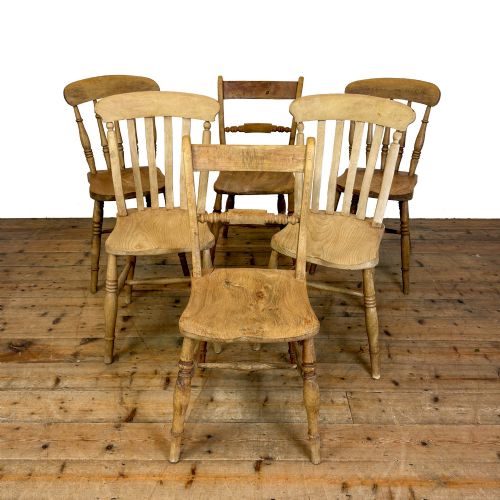
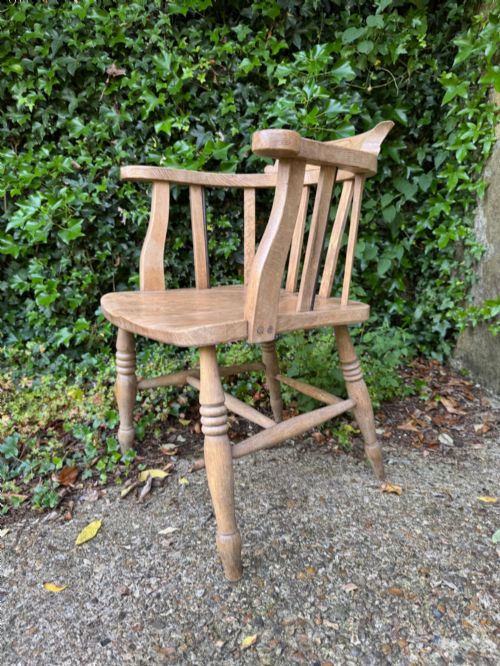
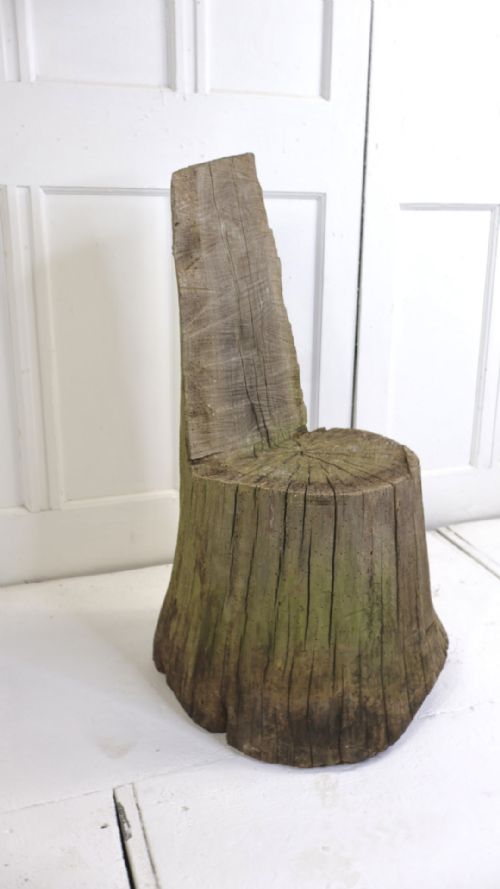
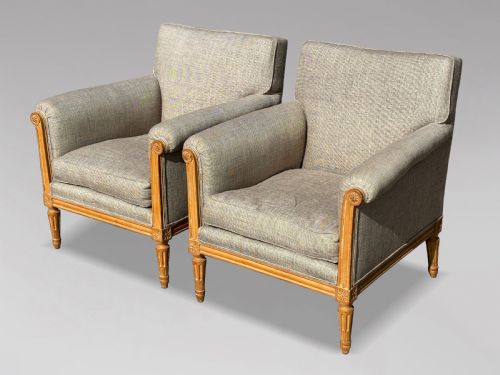
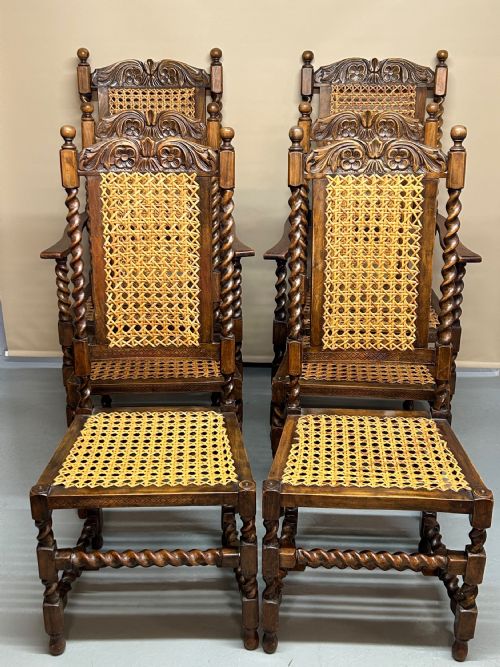
Natural oak chairs encompass a diverse selection of dining chairs, armchairs, and stools spanning from the mid eighteenth century through the twentieth century. These pieces reflect varied stylistic movements including Arts and Crafts, Victorian, and French Provincial designs.
You are most likely to encounter nineteenth century examples and sturdy regional types featuring rush or elm elements alongside solid timber frames. Sets of dining chairs and individual rustic armchairs appear frequently across the current selection.
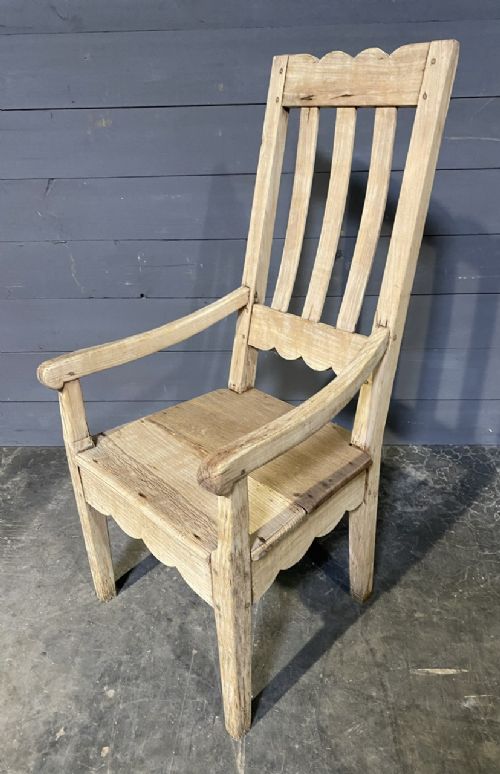
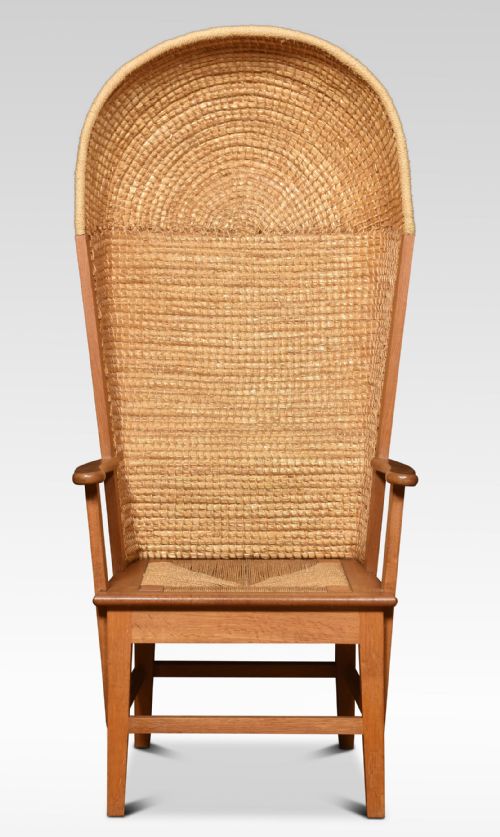
The assortment includes specialised forms such as Orkney chairs, captain's chairs, and ladder back kitchen chairs. Each piece demonstrates the enduring appeal of exposed timber grain and traditional joinery.
Materials and construction
Makers utilised solid oak for primary frames and structural components, often pairing it with secondary woods such as elm, beech, and pine for seats or lesser supports. This robust timber selection ensured longevity and daily utility in domestic settings.
Traditional seating surfaces incorporated woven rush or upholstered fabric supported by bergere back and seat panels. Frame construction relied heavily on classical joinery methods suited to heavy hardwood use.
Current listings feature natural oak chairs spanning from 1750 through the 1930s, incorporating rush, elm, and upholstered elements.
Assessing quality
Quality in natural oak chairs rests upon the integrity of the timber framing and the tightness of the original joints. Pieces that retain their structural stability without excessive movement or replaced major members demonstrate superior initial craftsmanship.
The refinement of carved details and the evenness of rush weaving distinguish standard utility seating from finer workshop productions. Proportion and the preservation of original surface patination further separate exceptional examples from standard survivors.
Lawrence Neal·Edward Gardener
The Natural Oak Chairs Glossary
- Rush seat
- A woven seating surface made from dried marsh grasses twisted into cords. This traditional method provides a resilient and flexible platform.
- Ladder back
- A chair back featuring multiple horizontal arched slats resembling the rungs of a ladder. It is a common vernacular design seen in regional kitchen chairs.
- Bergere
- An upholstered armchair with a closed or open wooden frame where the back and sides traditionally feature cane or wicker panels. These offer lighter visual weight while maintaining solid timber supports.
- Spindleback
- A chair back constructed with numerous thin vertical wooden rods turned on a lathe. This technique lightens the overall weight of the timber frame.
- Orkney chair
- A distinctive regional armchair featuring a low wooden seat and a high curved back woven from oat straw. These traditional pieces originated in the Scottish islands to protect sitters from drafts.
Natural Oak Chairs: Frequently Asked Questions
How do I date an oak chair?
Dating relies on examining the construction methods, tool marks left on the timber, and stylistic cues present in the design. Earlier pieces often display hand-sawn surfaces and pegged mortise and tenon joints.
Comparing the turned details and proportions to documented examples from periods like the Arts and Crafts movement or the eighteenth century helps narrow down the decade of production.
Are rush seats durable?
Rush seating is surprisingly durable and flexible when kept in dry indoor environments. The twisted marsh grass withstands daily sitting while offering natural give.
To maintain them, avoid excessive moisture and direct sunlight which can make the dried grass brittle over time.
Can I mix different oak chair styles?
Mixing different styles of oak chairs creates an eclectic and collected look around a dining table. Combining ladder backs with upholstered armchairs adds visual texture to a room.
Keeping a common thread such as the natural oak timber unifies mismatched sets effectively.
What is an Orkney chair?
An Orkney chair is a traditional Scottish armchair characterised by a timber frame and a high woven straw back. They were designed to shield the occupant from cold coastal drafts.
Their distinctive natural materials and sculptural shapes make them striking accent pieces in modern interiors.