






Natural Horn Decor
Natural horn decor pieces are historic animal mounts and sculptures that bring rugged organic texture into a room.
Natural Horn Decor
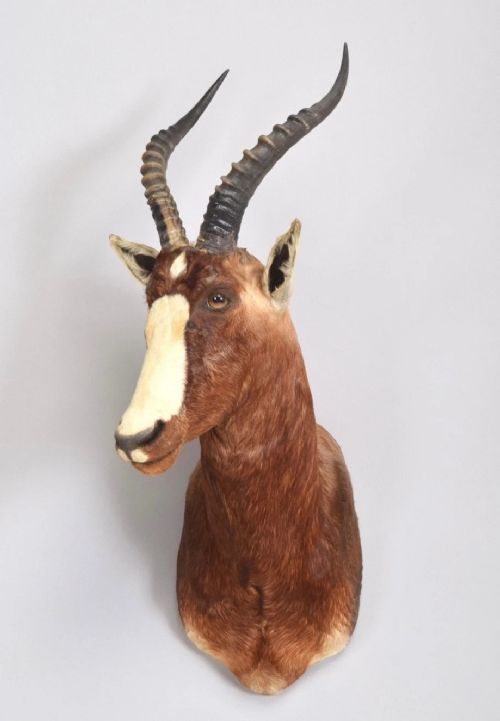
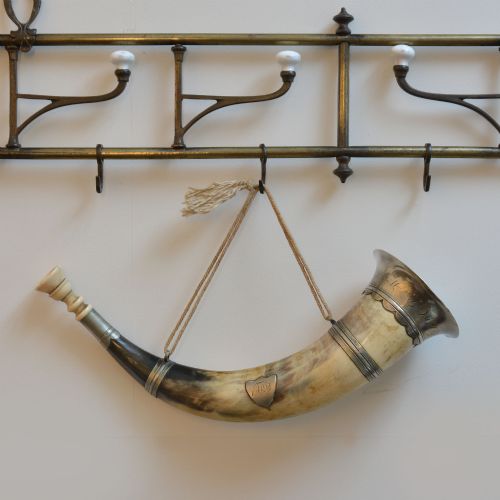
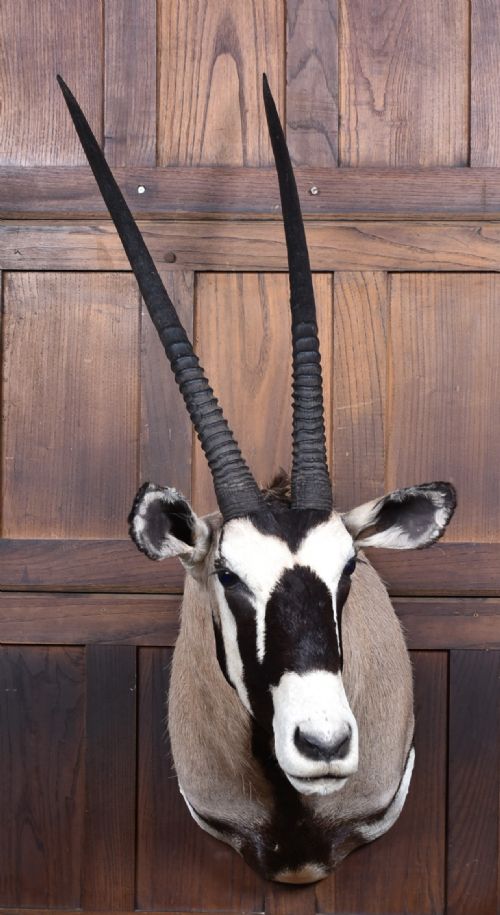
Natural horn decor encompasses nineteenth-century and early twentieth-century taxidermy mounts, trophy heads, and horn arrangements. When searching for natural horn decor, buyers encounter items ranging from Victorian ram's horns to Edwardian antelope trophies.
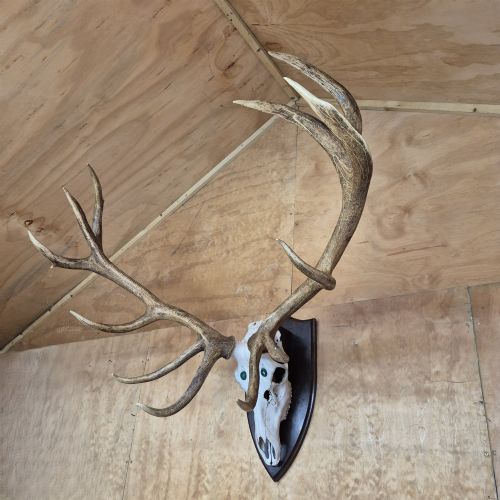
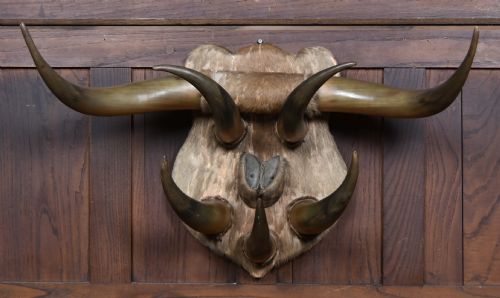
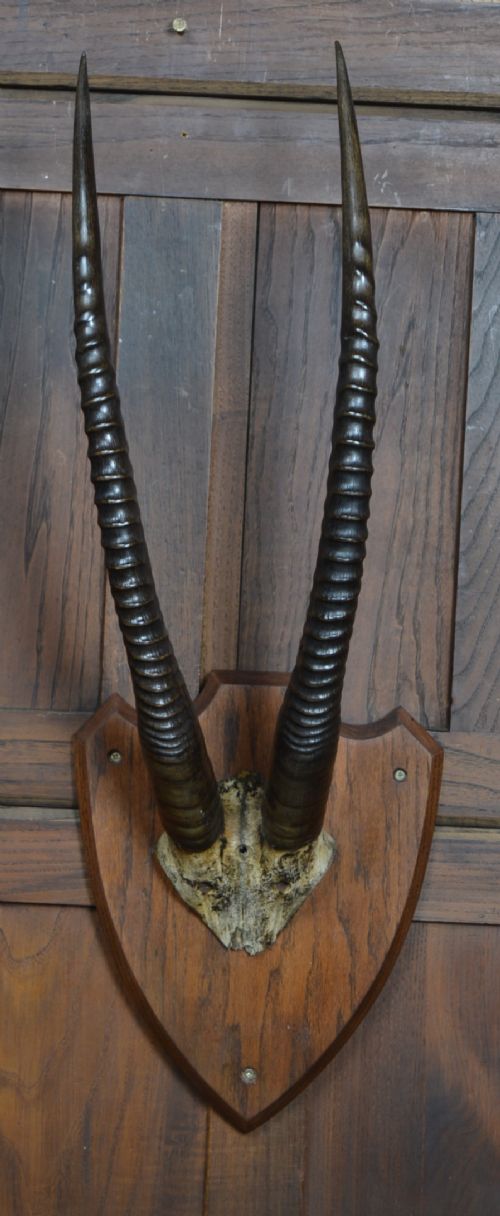
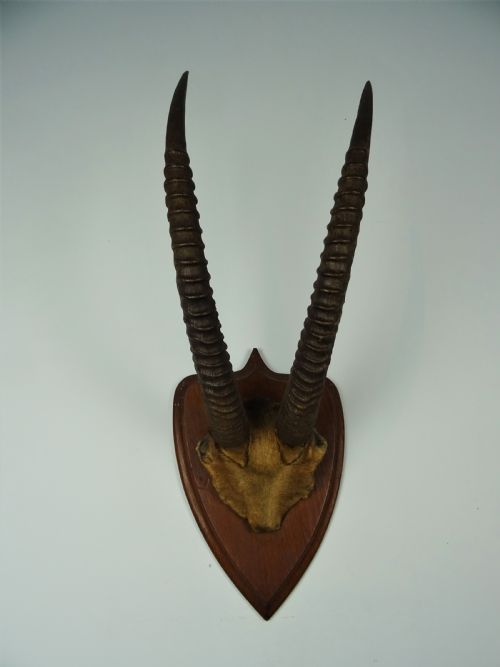
The objects take several distinct forms, including mounted sets of red deer antlers, cattle horns and hooves, and animal skull displays. Many pieces combine horn and bone with carved wooden shields or custom metal stands.
Origins stretch from Victorian natural history collections to Edwardian sporting lodges and Highland hunting estates. These items reflect a period aesthetic that celebrated natural history and rural field sports.
Materials and construction
Preparation involved mounting natural horns and skulls securely to structural timber supports, often incorporating glass eyes in full head mounts. Metal brackets and stands were utilised to support heavier horn arrangements and scull sculptures.
Natural Horn Decor Retail Price Guide 2026
Typical asking prices for natural horn decor among the pieces listed under this phrase on Sellingantiques today, from the lower quarter to the upper quarter. They describe what is for sale here now, not the wider market.
A twelve-point stag proudly wears his crown of bone, wondering why everyone keeps staring at his antlers.
Judging quality in horn decor
Quality rests upon the symmetry and span of the horns or antlers, alongside the taxidermist's skill in preserving the natural hide and bone structure. Well-mounted trophies maintain a realistic posture and secure attachment to their original wooden backing shields.
The distinction between ordinary and exceptional pieces lies in the provenance and documentation of the maker, such as works produced by established taxidermy firms. Condition of the natural horn and the stability of the mounting apparatus determine the overall integrity of the piece.
Edward Gerrard and Sons
The Natural Horn Decor Glossary
- Taxidermy
- The art of preserving, preparing, and mounting animal skins and horns for display. This technique forms the foundation of most sculptural pieces in the collection.
- Antler
- The branched, bony appendage shed and regrown annually by members of the deer family. These are mounted individually or as a complete royal set.
- Shield
- A carved wooden backplate, frequently made of oak, upon which horns and trophy heads are mounted for wall hanging. The shield provides structural support and aesthetic framing.
- Trophy
- An animal head, horns, or skin preserved as a memento of a hunt or scientific expedition. These objects originate largely from Victorian and Edwardian sporting contexts.
Natural Horn Decor: Frequently Asked Questions
What is the difference between horns and antlers?
Horns are permanent, unbranched structures made of keratin over a bone core, found on animals like rams, antelopes, and cattle. They are retained throughout the animal's life.
Antlers are made entirely of bone, are typically branched, and are shed and regrown annually by deer species. This biological distinction separates the mounted specimens you see.
How should I clean natural horn decor?
Dust horn and bone surfaces gently with a soft, dry cloth or a feather duster. Avoid using water, liquid cleaners, or harsh chemicals that can dry out or damage natural materials.
Keep mounted specimens away from direct sunlight and excessive humidity to prevent the hide and bone from cracking or degrading over time.
Which periods produced these taxidermy pieces?
The pieces originate primarily from the Victorian and Edwardian eras, spanning from the late nineteenth century through to the early twentieth century. This period saw a strong cultural interest in natural history and Highland sporting traditions.
Craftsmen during this time produced specialised taxidermy mounts and horn arrangements for country houses, hunting lodges, and cabinet of curiosities displays.