



Natural History Box
These natural history box examples unite Victorian taxidermy, shell snuff boxes and specimen cabinets for the serious collector of curiosities.
Natural History Box
A natural history box encompasses a diverse range of objects designed for housing and displaying biological specimens, from intricate bird taxidermy cases to multi-drawer specimen collector cabinets. These pieces reflect a nineteenth-century fascination with the natural world, often utilised by amateur naturalists and gentleman scientists to organise their collections.
The items most frequently encountered include glass-fronted display cases for birds such as Eurasian jays, little owls, waxwings and shovelers, alongside smaller pocket microscopes and fish taxidermy. Alongside these are precision-built wooden collector cabinets featuring multiple drawers intended for entomology or botanical samples.
Originating predominantly from the Victorian and Edwardian eras, these pieces combine scientific utility with decorative appeal. They serve both as functional storage for delicate specimens and as striking focal points for a cabinet of curiosities.
Materials and construction
Construction relies heavily on dense timbers such as mahogany, utilised for sturdy multi-drawer specimen cabinets that protect sensitive contents from light and dust. Glass panels are integrated into wooden frames to allow clear viewing of taxidermy displays and entomology cases while maintaining a sealed environment.
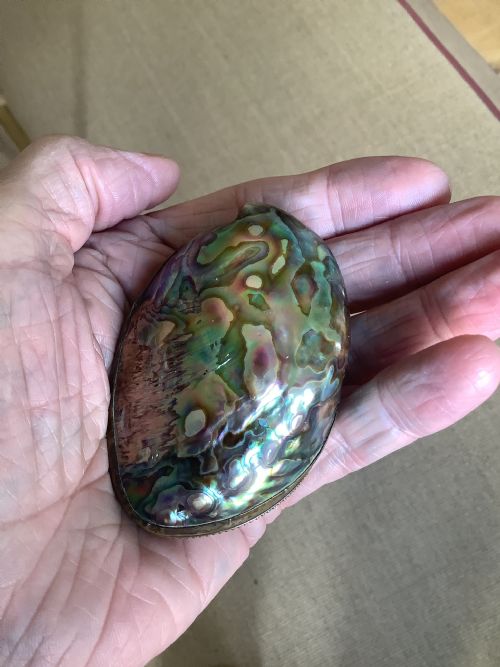
Precious metals and organic materials appear frequently in smaller personal items like snuff boxes and vinaigtres, combining brass and sterling silver mounts with abalone shell, cowrie shell and turtle shell. Taxidermy mounts incorporate natural elements such as snow scenes, feathers and prepared specimens preserved meticulously by period practitioners.
Natural History Box Retail Price Guide 2026
Typical asking prices for natural history box among the pieces listed under this phrase on Sellingantiques today, from the lower quarter to the upper quarter. They describe what is for sale here now, not the wider market.
Listings feature nineteenth-century and early twentieth-century pieces, spanning the Georgian, Regency, Victorian and Edwardian periods.
Quality and craftsmanship
The standard of a natural history box is determined by the precision of its joinery and the condition of its housing. Cabinet quality rests on smooth drawer operation, tight-fitting joints and the preservation of original glass panes within wooden frames.
Taxidermy displays demonstrate quality through the lifelike posture of the specimens and the integrity of the surrounding simulated habitat. Smaller items, such as silver-mounted shell snuff boxes and pocket microscopes, derive their merit from the crispness of the metalwork and the preservation of delicate organic surfaces.
Cary·James Jones of London
The Natural History Box Glossary
- Taxidermy
- The art of preparing, stuffing, and mounting the skins of animals for display. Victorian examples often incorporate detailed painted backgrounds and natural flora.
- Specimen cabinet
- A piece of furniture fitted with multiple shallow drawers designed for organising and protecting natural history collections. These frequently feature flush brass pull handles and dust-proof construction.
- Vinaigrette
- A small ornamental box with a perforated inner grille, used during the nineteenth century to hold a sponge soaked in aromatic vinegar. They are commonly fashioned from silver paired with shells.
- Entomology case
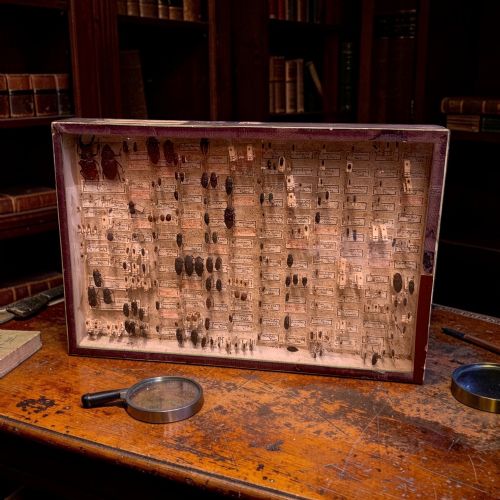
- A specialised shallow box or drawer arranged for the display and study of insects. These enclosures are built tightly to protect delicate specimens from pests.
- Curiosity cabinet
- A room or piece of furniture used to display a wide variety of objects natural history and art. This tradition formed the precursor to modern museums.
Natural History Box: Frequently Asked Questions
What fits inside a specimen cabinet?
These multi-drawer units were historically constructed to house classified samples of insects, botanical specimens and geological finds. The shallow drawers protect fragile items from physical damage and excessive light exposure.
Today, collectors utilise them in a similar fashion or repurpose the modular storage for small curiosities, jewellery and ephemera while maintaining the historical integrity of the piece.
How do I care for antique taxidermy?
Preserving bird specimens and taxidermy displays requires keeping them out of direct sunlight to prevent feather fading and degradation of the original materials. Stable room temperatures and low humidity protect the mounts from structural shifts.
Glass domes and glazed cases should be cleaned carefully on the exterior without disturbing the sealed internal environment containing the specimen.
What is a pocket microscope used for?
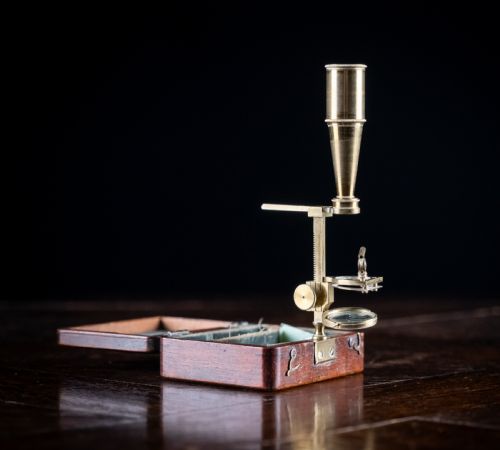
Portable scientific instruments such as the Cary Gould-type pocket microscope allowed nineteenth-century naturalists to examine specimens in the field. They offered adjustable magnification housed in compact wooden or metal cases.
These optical tools bridge the gap between scientific utility and portable luxury, reflecting the era's widespread enthusiasm for amateur biological study.
How do I date a Victorian display case?
Dating involves examining the construction techniques of the wooden frame, the type of glass utilised, and any maker's marks or paper labels attached to the backing. Victorian and Edwardian examples often display distinct timber patination and hand-finished joinery.
Stylistic cues within the taxidermy arrangement, such as painted winter backgrounds or naturalistic groundwork, also provide chronological context.