



Natural Gold Charm
Natural gold charm pieces are historic pendants and necklaces crafted in various gold karats and set with gemstones, offering a touch of period character for daily wear.
Natural Gold Charm
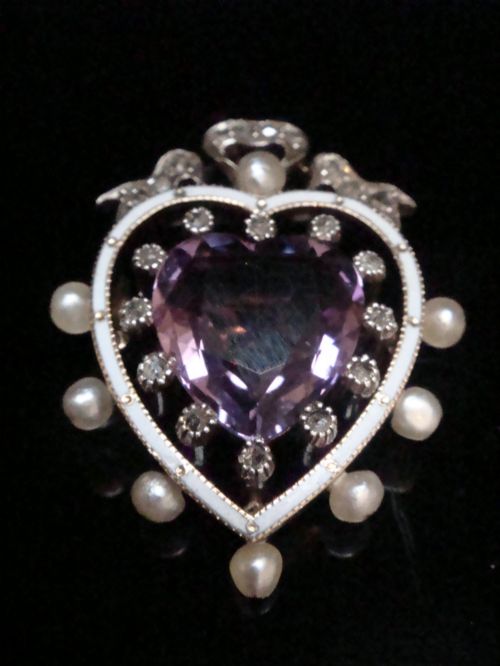
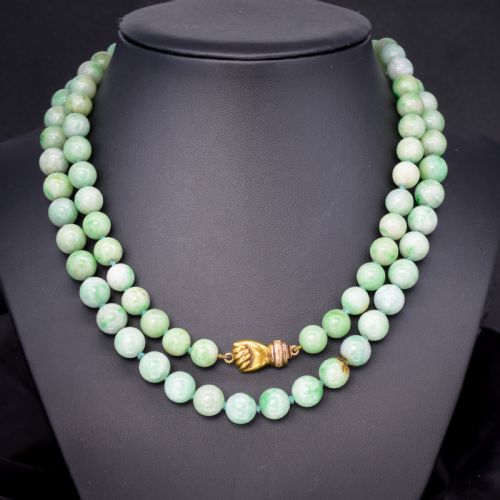
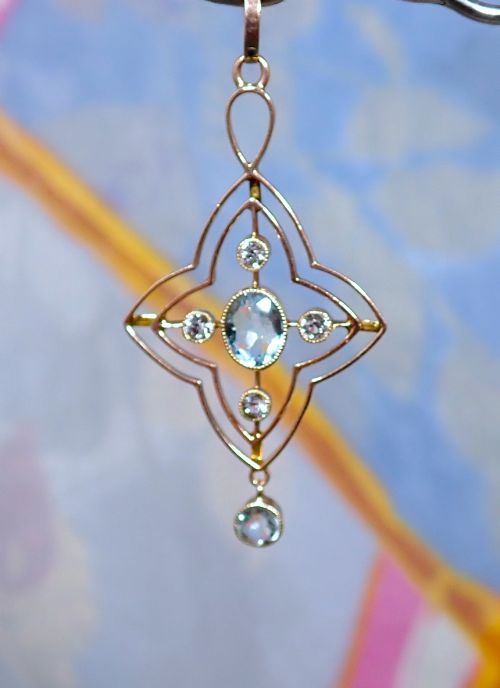
A natural gold charm search brings up historic pendants and necklaces that span several eras, predominantly featuring gold settings combined with stones like opal, diamond, pearl, and coral. Buyers looking through these listings will encounter diverse forms ranging from heart-shaped designs and figa hands to animal motifs like snakes.
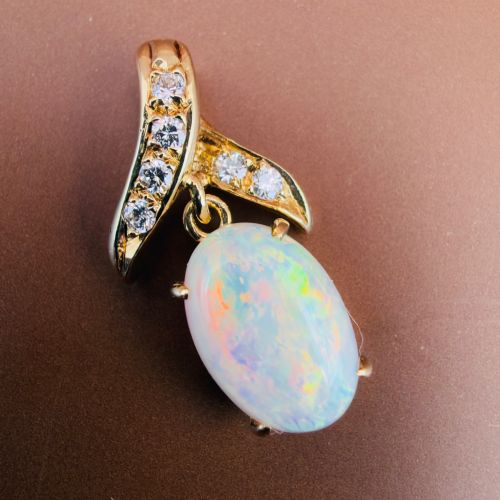
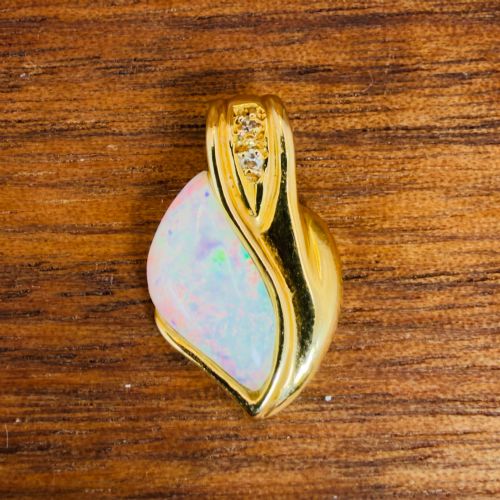
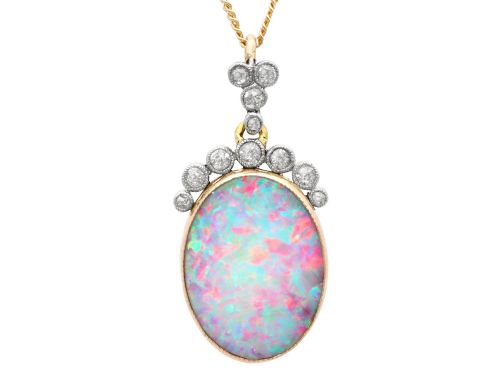
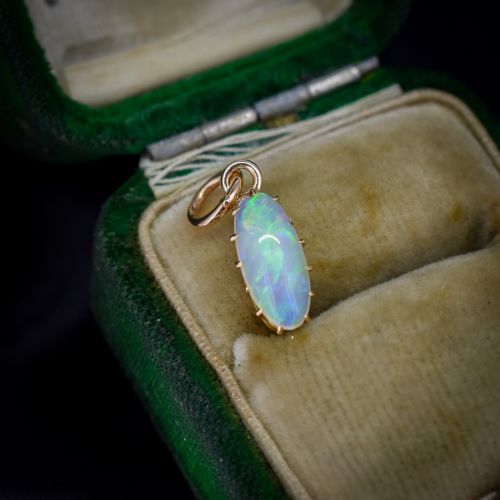
The version most commonly met on this page is the Edwardian or Victorian pendant, often cast in 9ct, 15ct, or 18ct yellow gold. These pieces frequently incorporate cabochon opals, seed pearls, or enamel work, reflecting the stylistic preferences of their respective periods.
Materials and construction
These items rely on traditional metalwork using varying purities of gold, including 9ct, 15ct, and 18ct alloys, shaped into pendants, charms, and beaded strand necklaces. Goldsmiths combined these solid gold mounts with precious and semi-precious stones such as diamonds, opals, sapphires, garnets, and natural pearls.
Techniques visible across the pieces include detailed stone setting, such as cluster arrangements, alongside specialised decorative methods like guilloche enamel. Carved materials like jadeite and coral also appear, demonstrating hand-finishing traditions suited to each specific object type.
Natural Gold Charm Retail Price Guide 2026
Typical asking prices for natural gold charm among the pieces listed under this phrase on Sellingantiques today, from the lower quarter to the upper quarter. They describe what is for sale here now, not the wider market.
A slithering coral snake pendant keeps watch over the collection, proving that Victorians loved their reptile jewellery with a distinct bite.
Distinguishing quality
Quality in these gold pendants and necklaces rests on the integration of materials and the finesse of the metalwork. Pieces at the upper end display carefully selected gemstones, such as solid or black opals with strong play-of-colour, matched harmoniously with well-proportioned diamond clusters or finely preserved enamel.
The distinction also lies in the execution of smaller decorative elements, such as hand-carving on coral snakes or jadeite, and the structural integrity of the gold mountings. Stronger pieces maintain their original form and secure stone settings without heavy alteration or loss of detail across the design.
The Natural Gold Charm Glossary
- Cabochon
- A gemstone shaped and polished with a smooth, rounded surface rather than faceted edges. This cut is frequently utilised for opals, moonstones, and sapphires to highlight internal optical properties.
- Guilloche enamel
- A decorative technique where intricate geometric patterns are mechanically engraved into metal and covered with translucent enamel. This method creates a layered, lustrous colour effect.
- Figa hand
- A traditional amulet gesture carved from materials like coral or jade, historically used as a protective charm. It forms a fist with the thumb pressed between the index and middle fingers.
- Seed pearl
- A very small, naturally formed pearl, often drilled and strung together or used as accent clusters in Victorian and Edwardian jewellery. These small pearls add a delicate texture to floral or geometric motifs.
- Carat
- A unit of weight for gemstones or a measure of gold purity depending on the context. In older British pieces, gold fineness is commonly expressed in fractions out of twenty-four, such as nine, fifteen, or eighteen carat.
Natural Gold Charm: Frequently Asked Questions
What materials are used in these pendants?
The listings feature items fashioned predominantly from yellow gold in various karats, paired with gemstones such as opals, diamonds, pearls, and coral. Some examples also incorporate enamel or carved mineral elements like jade.
These components reflect the material standards of the Georgian, Victorian, Edwardian, and mid-century periods from which the pieces originate.
How do I care for opal set charms?
Opals contain natural water content and require gentle handling to avoid sudden temperature changes and harsh chemicals. Storing them away from harder gems prevents surface scratching on the polished stones.
Cleaning should be done with a soft, damp cloth rather than ultrasonic baths or liquid jewellery cleaners that might damage the setting or the stone.
How do I distinguish Edwardian from Victorian styles?
Victorian pieces often display heavier proportions, darker gemstones, and sentimental motifs like snakes or carved coral hands. They lean towards robust designs with substantial gold weights.
Edwardian items tend to feature lighter, airier openwork platinum or high-karat gold settings, frequently incorporating diamonds, pearls, and guilloche enamel for a refined effect.
Can these pendants be worn daily?
Historic gold pendants and necklaces can be worn regularly provided they are treated with appropriate care for their age. Checking the security of the jump rings, bails, and stone settings helps prevent loss during daily wear.
Softer stones like pearls and opals require more mindfulness against knocks compared to harder gems like diamonds or sapphires.