




Narrow Wooden Table
A narrow wooden table solves the persistent problem of furnishing a tight hallway or compact room without cluttering the floor space.
Narrow Wooden Table
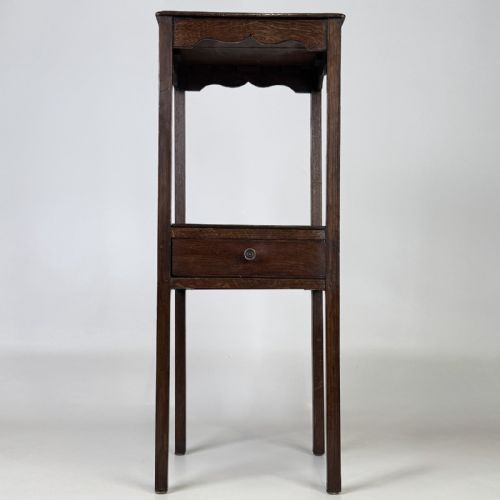
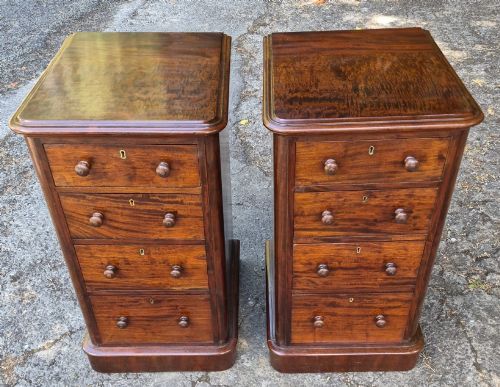
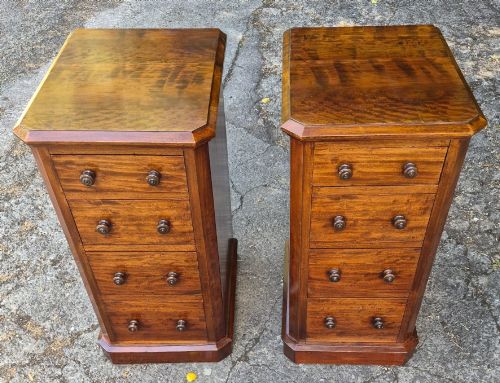
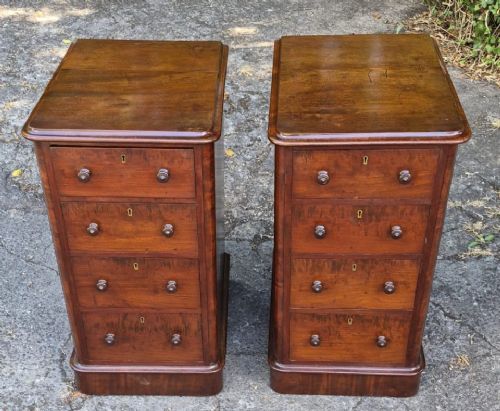
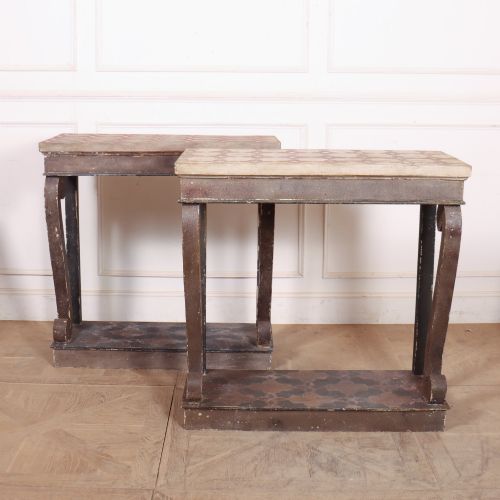
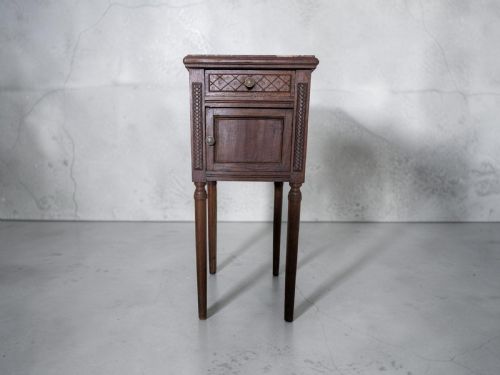
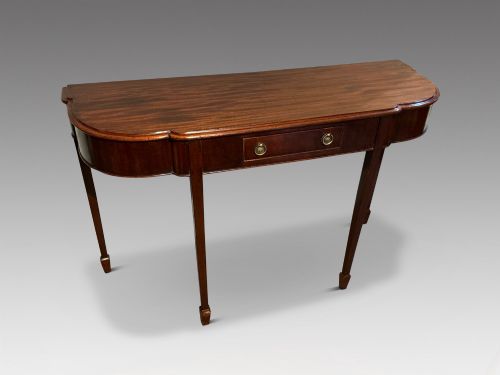
A narrow wooden table takes many practical shapes across this selection, appearing most frequently as console tables, side tables, and bedside cabinets designed to sit tight against a wall. These pieces emerge from the nineteenth and early twentieth centuries, spanning Victorian, Edwardian, and later periods.
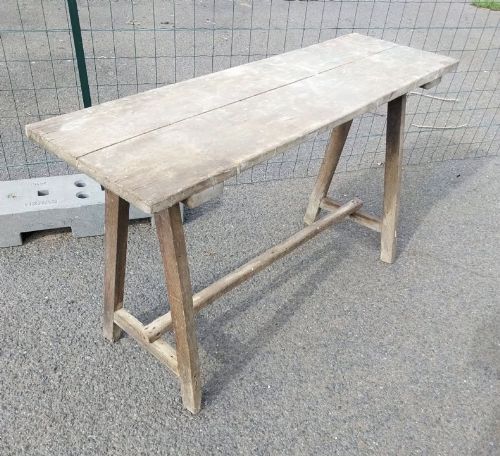
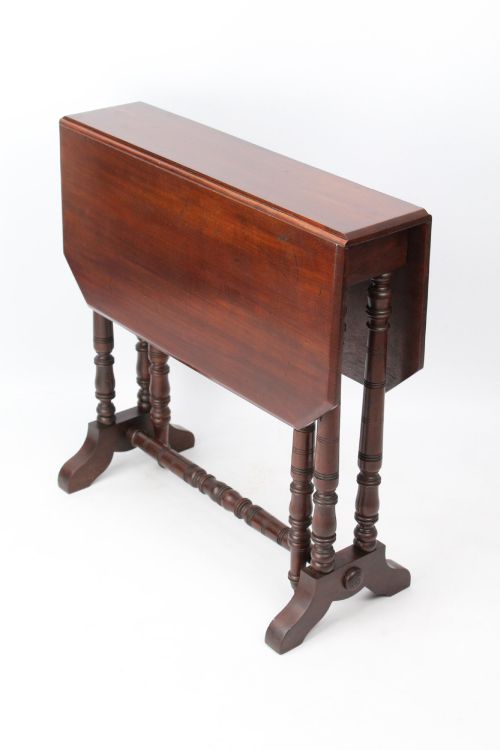
The form stretches from English bow-end console tables and mahogany hall tables to French laundry tables and Hungarian pig benches. Buyers seeking a slim profile will also encounter specific variations such as Sutherland tables, campaign tables, and wash tables.
Origins vary widely across these listings, incorporating English country pieces alongside French provincial models, Scandinavian country designs, and items from further afield such as Chinese carved hardwood benches.
Materials and construction
Construction relies heavily on traditional timber species, with mahogany, oak, pine, and pitch pine forming the structural backbone of these tables. Cabinetmakers utilised these woods for their durability and grain, sometimes pairing them with marble tops or incorporating brass hardware.
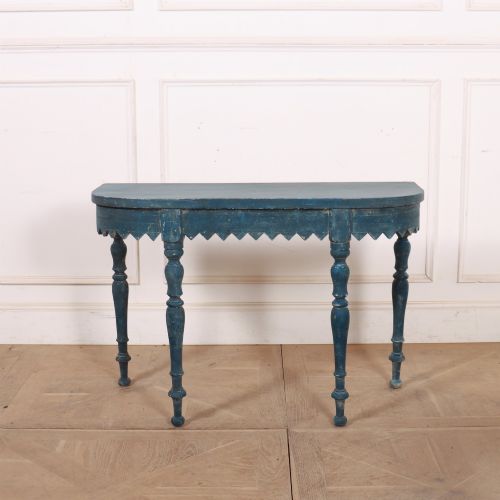
Surface finishes range from natural polished timber showing the grain to painted surfaces seen on French and Spanish console tables. Joinery techniques reflect the period of origin, from simple pegged joints in utility benches to finer inlays on Sheraton Revival servers.
Listings feature items built from mahogany, pine, oak, and marble, spanning the Victorian, Edwardian, and early twentieth-century periods.
Assessing quality and proportion
Quality separates pieces by the crispness of their carving, the selection of timber veneers, and the integrity of the original construction. Higher-grade examples display thoughtful timber matching and restrained decorative details such as subtle inlay or brass campaign fittings.
Proportion dictates utility in narrower pieces, where a well-balanced depth and stable stance matter more than sheer decorative weight. Pieces that retain their original surface finish and structural rigidity stand apart from those altered or overly restored.
The Narrow Wooden Table Glossary
- Console table
- A table designed to be fixed against a wall, frequently supported by ornate legs or brackets. These pieces offer a surface for display without protruding far into a room.
- Sutherland table
- A narrow drop-leaf table featuring exceptionally slender legs and leaves that fold down almost vertically. This design allows the table to fold into a very compact footprint when not in use.
- Campaign table
- Furniture made in sections with brass mountings and inset handles for easy transport by military officers. These items combine sturdy construction with a streamlined profile.
- Pig bench
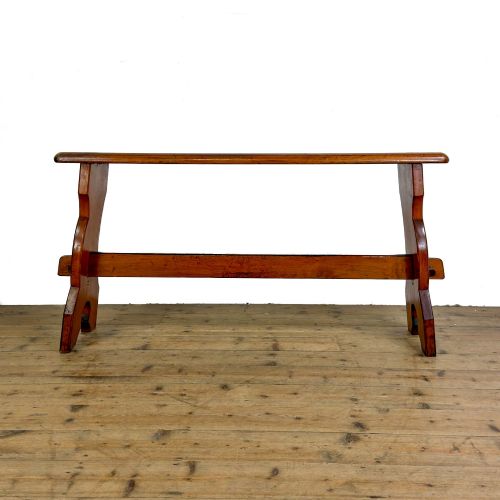
- A low, narrow wooden bench originating from rural households, repurposed in modern settings as a low table or console. They typically feature heavy timber construction and a weathered patina.
- Whatnot
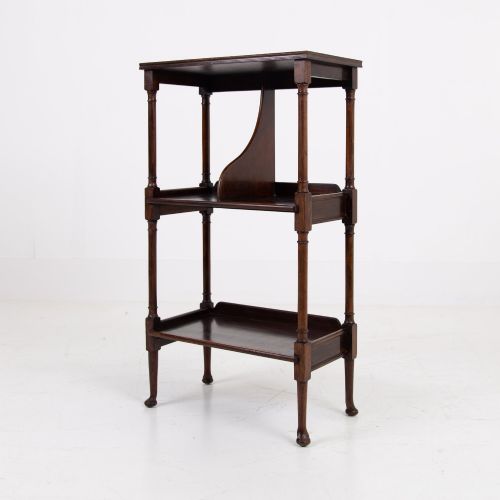
- A piece of open shelving with multiple tiers supported by slender posts, utilised for displaying small objects. They often combine display space with a compact side table function.
Narrow Wooden Table: Frequently Asked Questions
Where should I place a narrow wooden table?
These slim tables fit naturally into narrow hallways, landings, or tight spaces behind sofas where standard furniture blocks passage. Their shallow depth allows them to provide a surface for lamps and small items without obstructing movement.
In bedrooms, narrow bedside cabinets or chests serve a similar function by providing storage and surface area within restricted footprints.
How do I date a Victorian narrow table?
Dating relies on examining the timber species, construction methods, and stylistic cues present in the piece. Victorian examples often utilise solid mahogany or pine with hand-cut joinery that differs from later twentieth-century production methods.
Stylistic influences, such as Sheraton Revival details or campaign brasses, offer further clues to the specific decade of manufacture within the nineteenth century.
Are painted console tables original?
Many regional pieces, particularly French and Spanish provincial models, were finished with paint from the outset to protect softer woods. Inspecting the layers of paint and the wear patterns helps determine whether the finish reflects period practice.
English pieces more commonly display polished mahogany or oak, though painted variations do appear in Edwardian and later vernacular furniture.
What is the difference between a console and a side table?
Console tables are specifically built to stand against a wall, sometimes relying on wall fixings or leg designs that accentuate the front view. Side tables are generally freestanding pieces designed to sit beside seating or in corners.
In practice, overlap occurs frequently in historical listings where slim proportions allow either form to serve the same spatial requirement.