

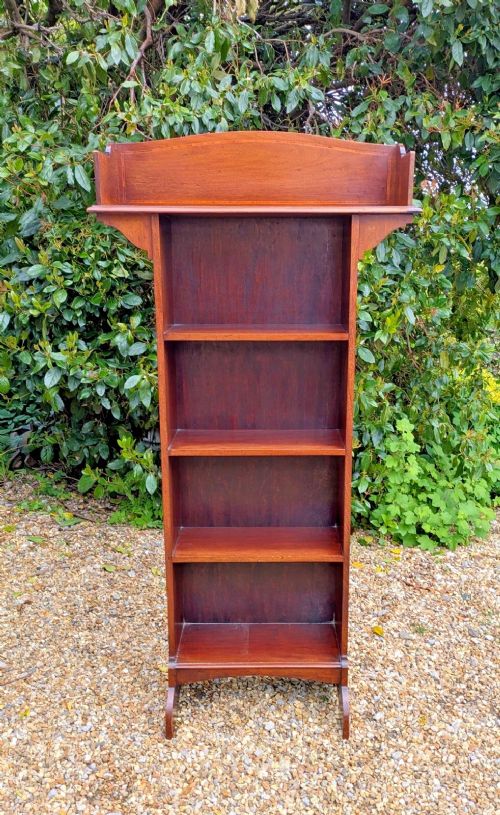


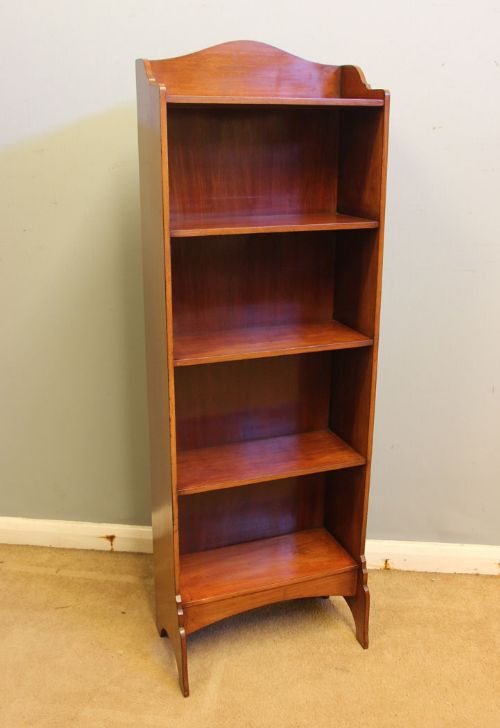
Narrow Mahogany Bookshelf
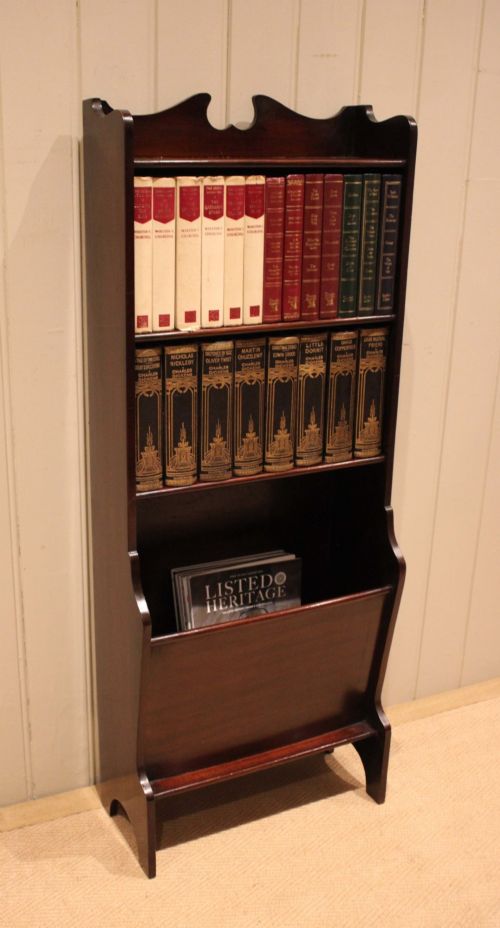
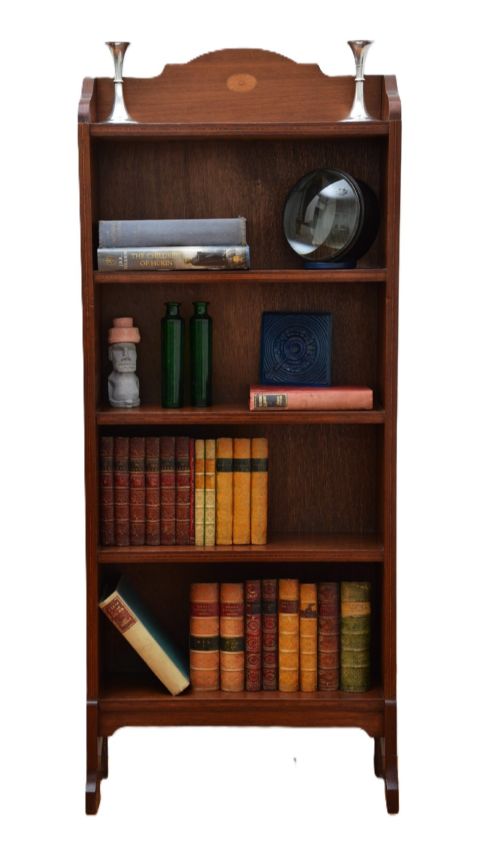
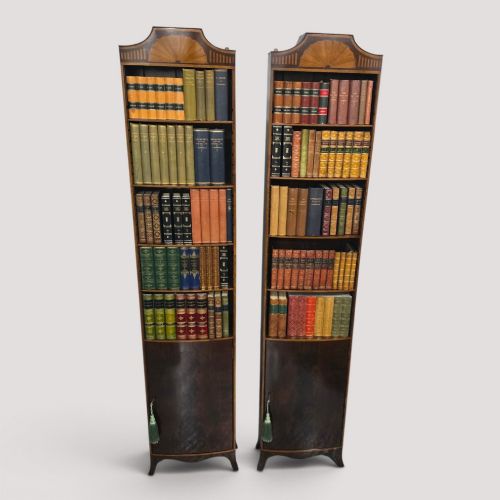
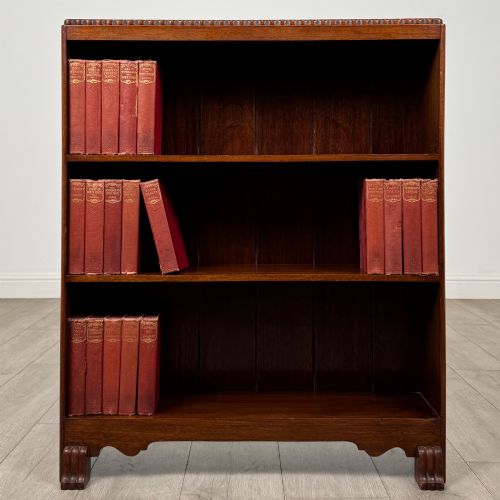
A narrow mahogany bookshelf is a compact timber tier designed to hold volumes in confined spaces while bringing rich grain into a room.
Narrow Mahogany Bookshelf
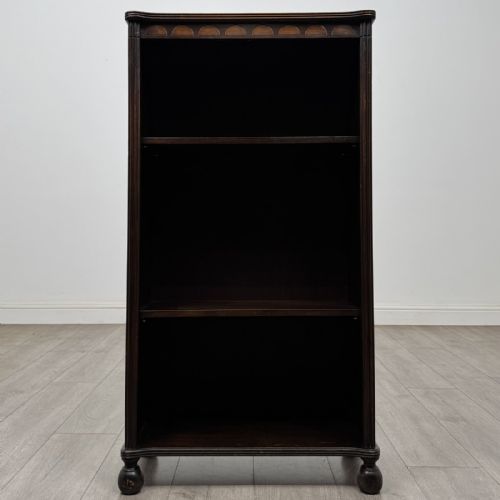
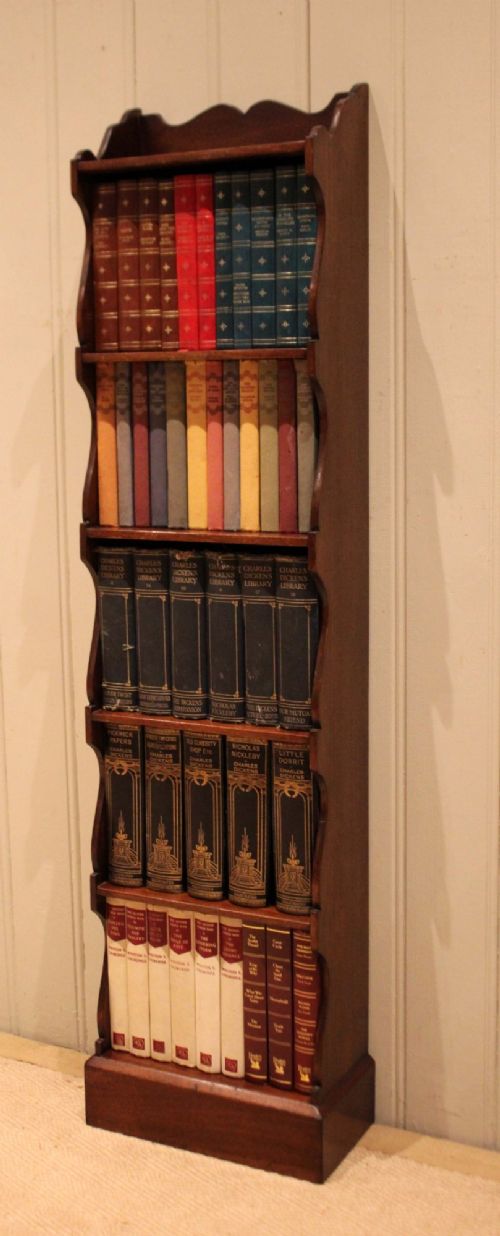
A narrow mahogany bookshelf is a scaled-down timber repository created to hold volumes without dominating a compact wall or corner. When exploring a narrow mahogany bookshelf, a buyer encounters pieces originating from the nineteenth century through the early twentieth century, spanning Victorian, Edwardian, and various revival styles.
Origins range from formal Georgian revival designs to simpler Edwardian examples, often incorporating satinwood inlay, brass mounts, or carved top edges. These upright fixtures serve domestic studies, parlours, and sitting rooms where floor space remains at a premium.
How they were made
Makers constructed these upright pieces primarily using solid mahogany and mahogany veneers over secondary timbers, selecting the wood for its deep colour and pronounced grain pattern. Cabinetmakers often integrated boxwood and satinwood stringing or decorative inlay along cornices and upright stiles to add visual contrast.
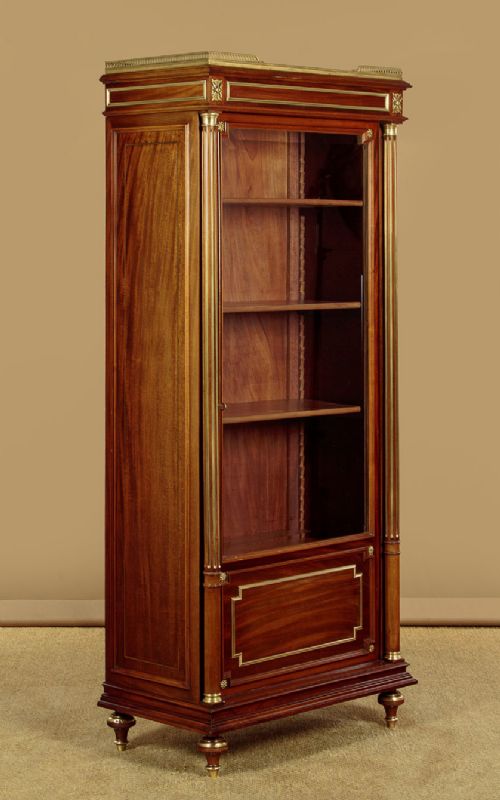
Structural hardware typically includes cast brass mounts, hinges, and ormolu details on higher-status examples from the nineteenth century. Joinery methods relied on traditional mortise and tenon construction, combined with rebate joints for shelving housing and panelled backs.
Narrow Mahogany Bookshelf Retail Price Guide 2026
Typical asking prices for narrow mahogany bookshelf among the pieces listed under this phrase on Sellingantiques today, from the lower quarter to the upper quarter. They describe what is for sale here now, not the wider market.
Listings feature Edwardian, Victorian, and nineteenth-century pieces alongside Georgian and Regency revival styles.
What varies in quality
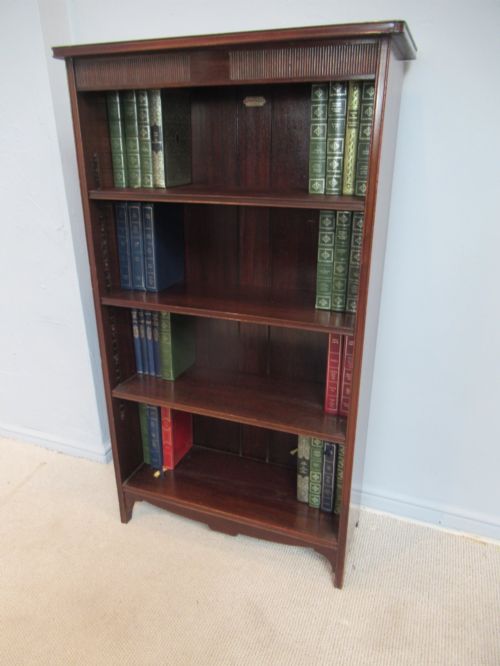
The refinement of the timber selection largely determines the standing of a piece, with figured flame mahogany commanding greater visual interest than plain stock. Crispness in the execution of boxwood and satinwood inlay separates standard workshop production from finer cabinet work.
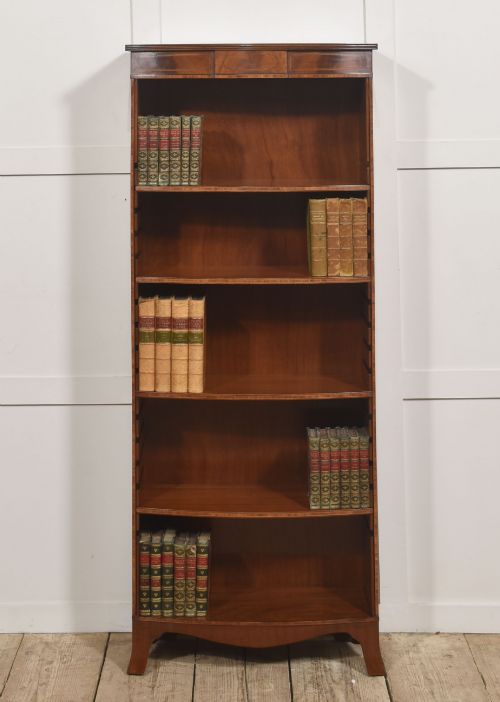
Hardware quality also dictates grade, shifting from simple brass fittings to cast ormolu mounts and finely articulated adjustable shelf racks. The subtlety of carved top edges, dentil cornices, and structural proportions distinguishes standard utilitarian shelving from elegant revival pieces.
Waring and Gillows
The Narrow Mahogany Bookshelf Glossary
- Dentil cornice
- A projecting decorative moulding decorated with a repeating pattern of small square blocks. This architectural feature often crowns the top of Georgian style bookcases.
- Whatnot
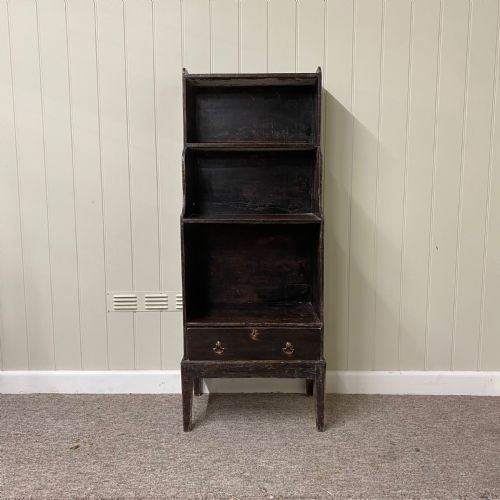
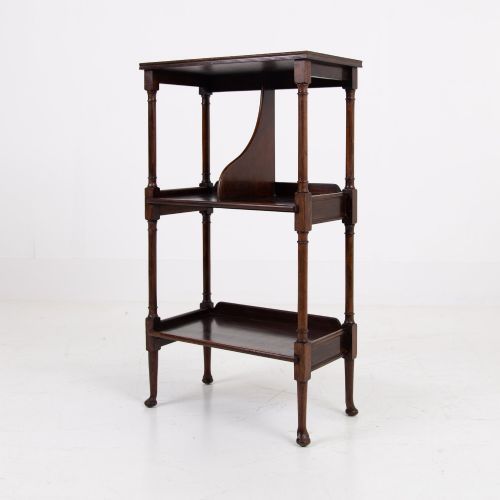
- A piece of open shelving with multiple tiers designed for displaying small objects and books. These freestanding stands became particularly popular during the Victorian and Edwardian periods.
- Satinwood inlay
- Contrasting light-yellow timber inserted into recesses within the darker mahogany surface. It creates delicate geometric borders and decorative motifs on Edwardian and revival furniture.
- Ormolu
- Gilded bronze ornamentation applied to the exterior angles or mounts of nineteenth-century furniture. This decorative technique adds a bright metallic contrast to the dark mahogany body.
Narrow Mahogany Bookshelf: Frequently Asked Questions
What is a narrow mahogany bookshelf?
A narrow mahogany bookshelf is a compact timber storage unit designed to hold books in limited floor spaces. These pieces utilise minimal wall width while offering vertical shelving.
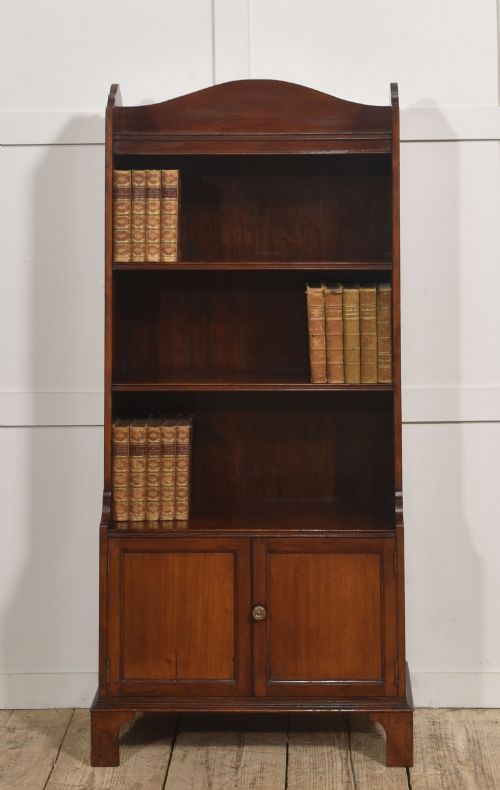
They appear in open formats, cabinet configurations, and multi-tiered whatnot designs dating from the nineteenth and early twentieth centuries.
How do I date a mahogany bookcase?
Dating relies on observing construction methods, decorative motifs, and wood characteristics. Pieces featuring heavy cornices or elaborate ormolu generally point to the nineteenth century.
Lighter frames with satinwood inlay and simpler lines typically correspond to Edwardian production or early twentieth-century revival pieces.
Are the shelves adjustable?
Many of these pieces feature adjustable shelving systems utilising wooden ratchets or metal pins. This adaptability allows owners to accommodate volumes of varying heights.
Fixed shelves remain more common in simpler utilitarian cupboards and smaller nineteenth-century cabinets.
Where should I place a narrow bookcase?
These compact pieces fit easily into tight alcoves, narrow hallway passages, and smaller study rooms. Their restricted width preserves floor space while utilising vertical wall capacity.
Keep them away from direct heat sources and strong sunlight to protect the mahogany polish and prevent timber warping.