




Narrow Linen Press
A narrow linen press offers upright storage with deep utility, bringing period proportion and fitted shelves into compact rooms.
Narrow Linen Press
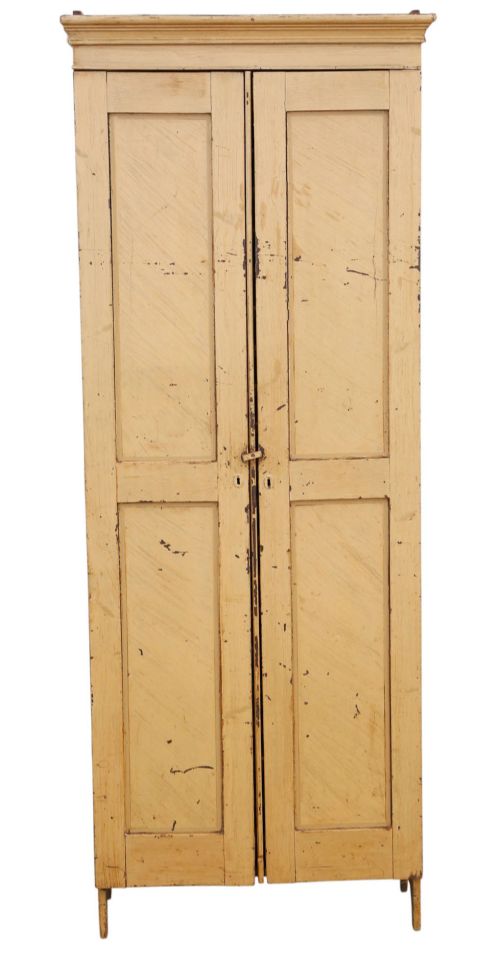
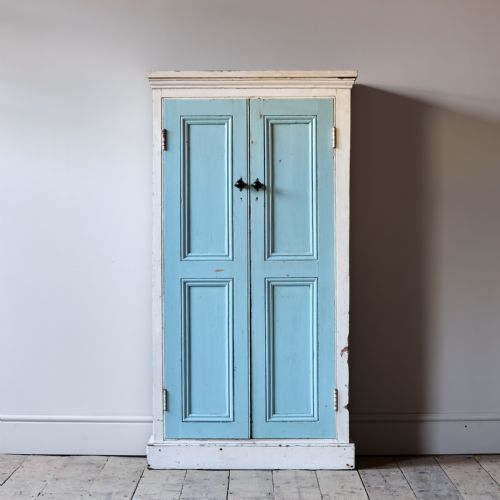
A narrow linen press provides vertical storage through single and double door formats designed to fit tighter floor plans than traditional wardrobes. These pieces emerge primarily from the nineteenth century alongside Georgian and early twentieth-century periods.
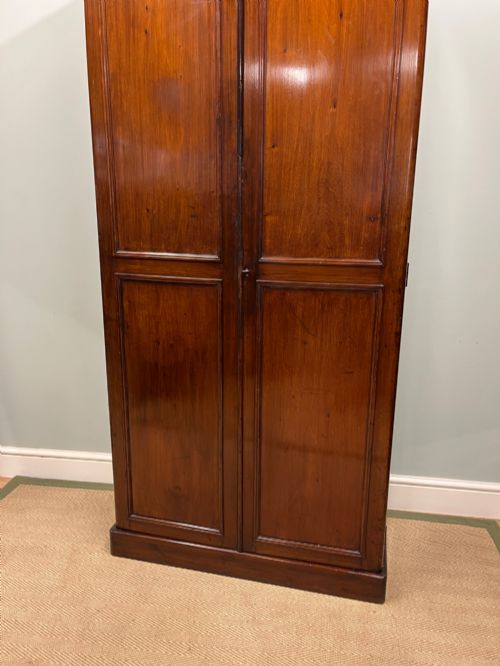
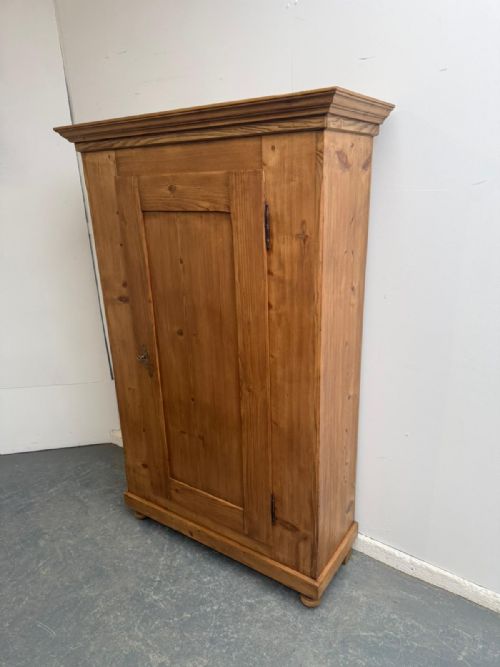
The form encompasses tall slim cupboards, painted housekeepers' cupboards, and shallow hall wardrobes. Surviving examples range from rustic farmhouse pine to polished mahogany veneer and painted finishes.
Origin styles span English and Victorian country vernaculars alongside continental pieces like Scandinavian Biedermeier and French armoires. Buyers encounter everything from raw wax pine to cream painted kitchen units.
Materials and construction methods
Construction relies heavily on solid pine and mahogany, often paired with mahogany veneer for visible surfaces. Metal hardware like brass and iron appears on hinges, handles, and internal fittings.
Surfaces receive either a traditional wax polish or layers of paint, with some pieces left in bare wood ready for custom finishing. Knockdown carcass designs facilitate easier transport and installation in older properties.
Narrow Linen Press Retail Price Guide 2026
Typical asking prices for narrow linen press among the pieces listed under this phrase on Sellingantiques today, from the lower quarter to the upper quarter. They describe what is for sale here now, not the wider market.
Current listings span the Georgian period, the nineteenth century, and the 1920s, utilising pine, mahogany, and painted wood.
Assessing build quality and condition
Quality rests upon timber selection and structural integrity, where dense solid pine or well-figured mahogany veneer elevates a piece above standard utility items. Original brass fittings and clean lines indicate careful initial manufacture.
Surface treatment defines visual appeal, distinguishing naturally aged wax patination from later repainting efforts. Proportion and door alignment remain vital indicators of superior cabinet-making across both vernacular and formal pieces.
The Narrow Linen Press Glossary
- Knockdown wardrobe
- A large piece of furniture constructed to dismantle into sections for transport. This technique allowed bulky items to pass through narrow doorways.
- Biedermeier
- A Central European style emphasising utilitarian comfort and clean lines without excessive ornamentation. Woods selected often displayed rich grain patterns.
- Housekeeper's cupboard
- A large storage cabinet originating in domestic service quarters for provisions or linens. These items frequently feature painted finishes.
- Veneer
- A thin layer of superior wood applied to a secondary timber base. This method created decorative exterior surfaces while conserving scarce materials.
Narrow Linen Press: Frequently Asked Questions
What is a narrow linen press?
A narrow linen press is an upright storage cabinet designed to hold textiles and garments within a reduced footprint. These pieces provide tall shelving capacity without demanding the floor space of standard wardrobes.
Surviving examples date from the Georgian era through to the early twentieth century. They appear in diverse materials ranging from waxed pine to polished mahogany.
How were these cupboards used?
These cabinets served domestic spaces for storing folded linens, garments, and household provisions. Their tall, slim proportions made them practical for hallways, bedrooms, and service areas.
Many functioned as hall wardrobes or auxiliary kitchen storage units. Their enclosed shelving kept fabrics protected from dust and light.
How do I fit one in a modern home?
A narrow linen press provides maximum vertical storage while occupying minimal floor space. Their shallow depths allow placement in hallways, tight bedrooms, and alcoves.
Choosing between waxed wood and painted finishes helps match existing interior decor. Knockdown versions offer practical advantages for moving furniture through restricted stairwells.
How do I identify the period?
Dating relies on construction methods, timber choices, and prevailing stylistic details. Georgian and Victorian pieces show traditional joinery and heavier proportions.
Later nineteenth-century and 1920s examples introduce simpler lines or continental influences like French and Scandinavian styling. Hardware and surface finishes provide further chronological clues.