



Narrow Lamp Table
These narrow lamp tables are compact timber stands designed to hold bedside or living room illumination, offering practical surface space in tight domestic corners.
Narrow Lamp Table
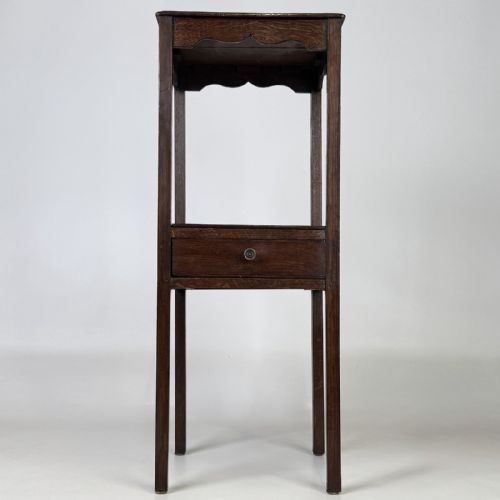
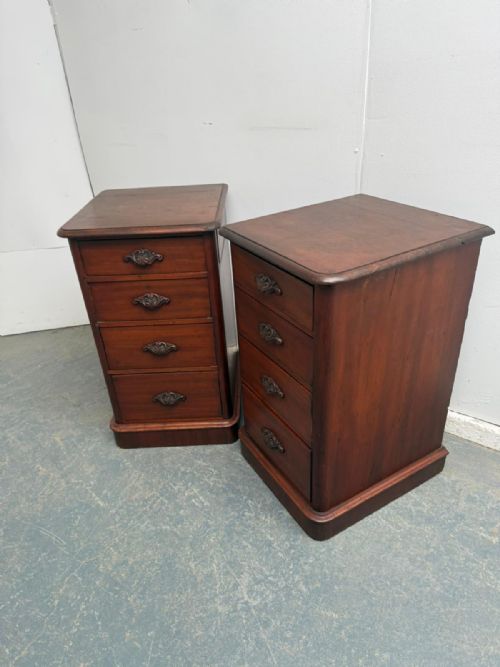
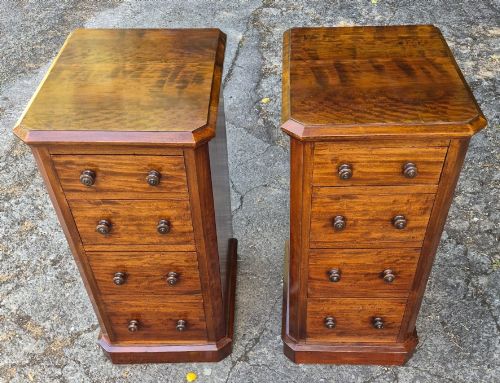
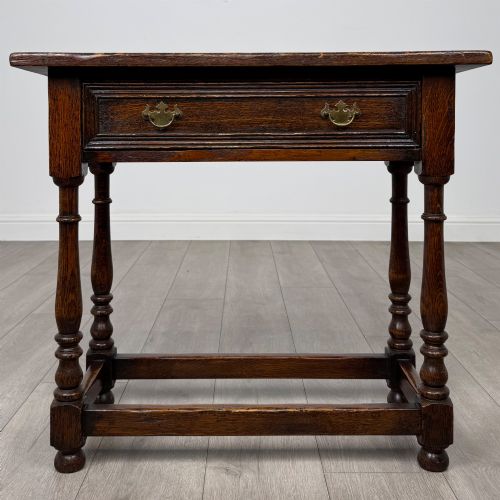
A narrow lamp table is a compact surface built to hold a light in confined spaces, frequently appearing on this page as side tables, bedside cabinets, and small console tables. These pieces serve domestic rooms where floor space is limited but surface area remains necessary beside a bed or chair.
The examples gathered here span several historical periods, showing distinct influences from the Georgian, Victorian, and Edwardian eras, alongside later pieces from the 1920s and 1930s. Buyers encountering this selection will frequently find timber forms configured with single drawers, small cupboards, or open tops.
Many of these items function naturally as bedside chests, pot cupboards, or occasional stands, adapting easily to modern interiors. Their proportions remain deliberately restricted in width, making them suitable for narrow hallways or restricted spaces between furniture.
How they were made
Makers constructed these tables predominantly from solid timbers such as mahogany, oak, walnut, and pine, occasionally incorporating brass hardware for handles and fittings. Wood selection dictated the primary structural strength and surface finish of each cabinet.
Construction techniques visible across the inventory include dovetailed drawer boxes, panelled doors, and turned or straight legs designed to support modest loads. Surfaces were frequently waxed or polished to highlight the natural grain of the wood.
Narrow Lamp Table Retail Price Guide 2026
Typical asking prices for narrow lamp table among the pieces listed under this phrase on Sellingantiques today, from the lower quarter to the upper quarter. They describe what is for sale here now, not the wider market.
Materials represented across the inventory span oak, mahogany, walnut, pine, rosewood, and brass.
What varies in quality
Quality in these pieces rests upon the selection of timber and the precision of the joinery rather than decorative excess. Superior examples display carefully matched wood grains and tight, enduring joints that withstand daily use.
The refinement of the hardware and the handling of internal components, such as drawer runners and door hinges, distinguish finer specimens from utilitarian production. Proportions also matter, with well-balanced heights and slender widths commanding greater appreciation.
The Narrow Lamp Table Glossary
- Lamp table
- A small occasional table designed specifically to hold a lighting fixture. These pieces occupy minimal floor space while providing a convenient surface next to seating.
- Bedside cabinet
- A small enclosed storage unit positioned next to a bed. They often feature a single door or multiple drawers to conceal small personal items.
- Console table
- A narrow table designed to stand flat against a wall. They frequently occupy hallways or narrow living spaces where deeper furniture would obstruct movement.
- Pot cupboard
- A Victorian term for a bedside cabinet originally built to house a chamber pot. These pieces usually include a small door and an interior shelf.
- Dovetail
- A traditional wood joint formed by interlocking wedge-shaped fingers. This method provides high tensile strength and prevents drawer corners from pulling apart under strain.
Narrow Lamp Table: Frequently Asked Questions
What is a narrow lamp table used for?
These tables provide a compact surface for holding lamps, books, or drinks in rooms with limited floor space. They fit easily beside armchairs, sofas, or beds.
Their restrained dimensions make them particularly useful in hallways, landings, or tight corners where standard furniture proves too bulky.
How do I identify an Edwardian lamp table?
Edwardian pieces often feature lighter oak construction and simpler lines compared to heavier Victorian predecessors. They frequently incorporate single drawers and unadorned surfaces.
Examining the construction methods and secondary timbers beneath the piece helps confirm the period of manufacture.
Are these tables suitable for small bedrooms?
The narrow proportions of these tables make them ideal alternatives to bulky bedside chests. They offer surface storage without overwhelming restricted bedroom layouts.
Many examples include cupboards or drawers to keep small personal items neatly out of sight.
What woods were used for these tables?
Cabinet makers utilised a range of domestic and imported timbers, including mahogany, oak, walnut, and pine. Hardwoods provided durability for frequently handled surfaces.
Secondary woods like pine were often employed for interior drawer linings and back panels.