



Narrow Hall Wardrobe
A narrow hall wardrobe solves the problem of small entryways by offering vertical storage for coats and hats without blocking the walkway.
Narrow Hall Wardrobe
A narrow hall wardrobe provides a compact footprint designed specifically for entryways and narrow corridors. These pieces stand tall and slim, keeping garments neatly contained in confined spaces.
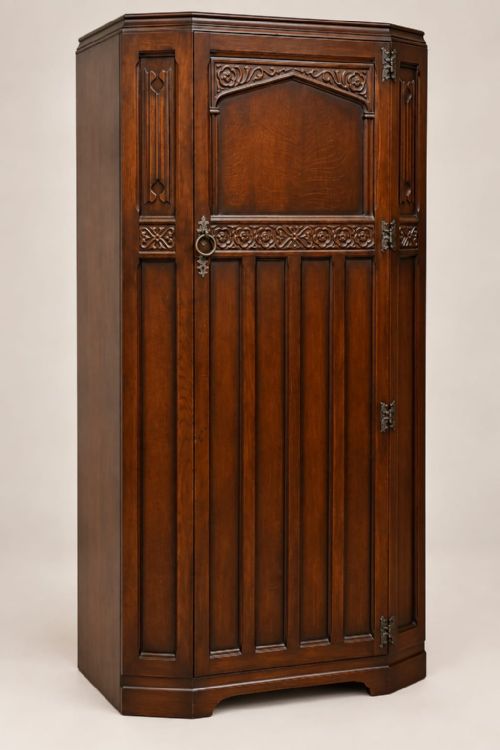
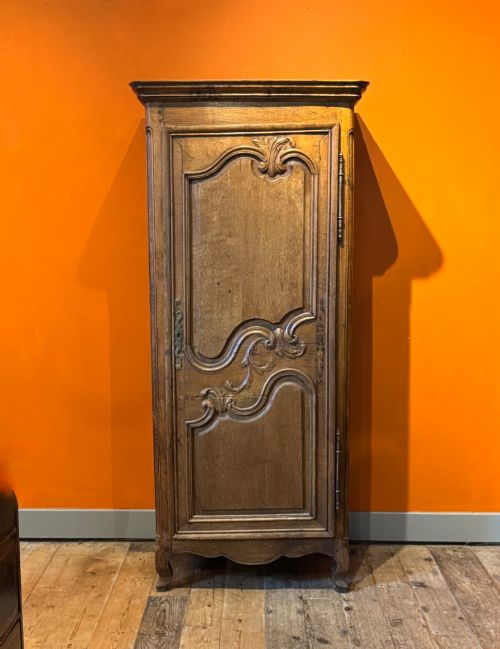
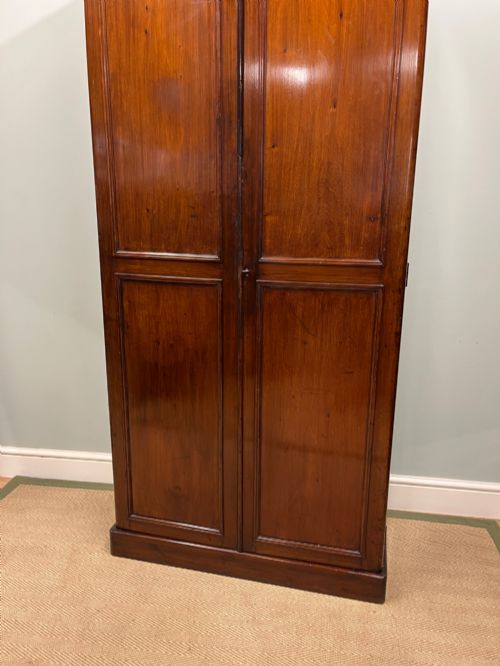
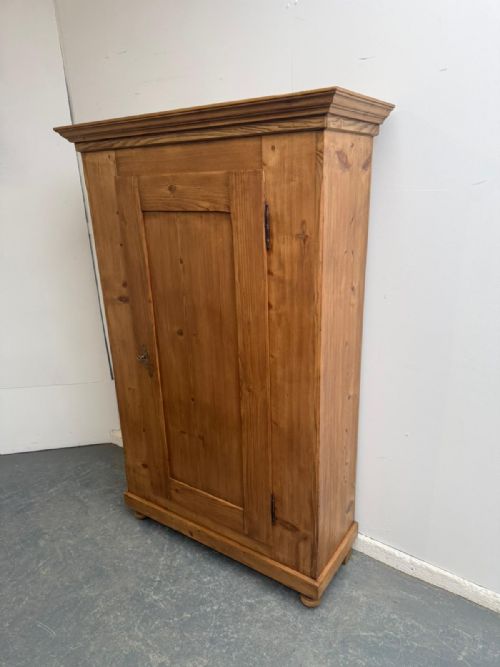
The selections available here span several distinct periods, including Georgian, Victorian, and the early twentieth century. Buyers will frequently encounter single door formats built to maximise internal hanging depth while keeping hallway widths clear.
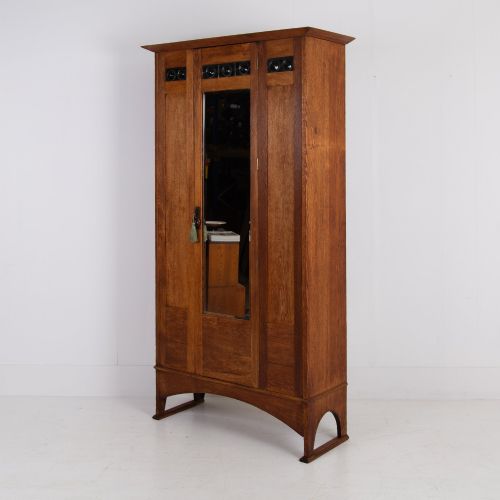
Common regional variations and design influences include French armoires in the Louis XV taste alongside English Arts and Crafts interpretations. Solid oak and pine dominate the forms, often featuring panelled doors and modest cornices.
How they were made
Cabinet makers relied predominantly on timbers such as oak, mahogany, and pine to construct these slim enclosures. Solid boards formed the main carcase, whilst internal hooks and hanging rails utilised brass and iron.
Construction methods involved traditional joinery techniques to ensure stability in tall, shallow proportions. Doors frequently hung on robust iron hinges, complemented by brass handles or wooden latches.
Narrow Hall Wardrobe Retail Price Guide 2026
Typical asking prices for narrow hall wardrobe among the pieces listed under this phrase on Sellingantiques today, from the lower quarter to the upper quarter. They describe what is for sale here now, not the wider market.
Some single door models squeeze generous storage into a footprint narrower than an umbrella stand.
What varies in quality
The distinction between ordinary and superior pieces rests on the selection of timber and the integrity of the original surfaces. Oak and mahogany examples with untouched patination sit higher in the range than heavily altered pine alternatives.
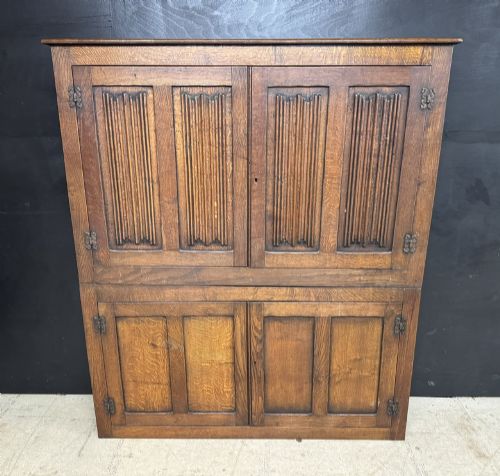
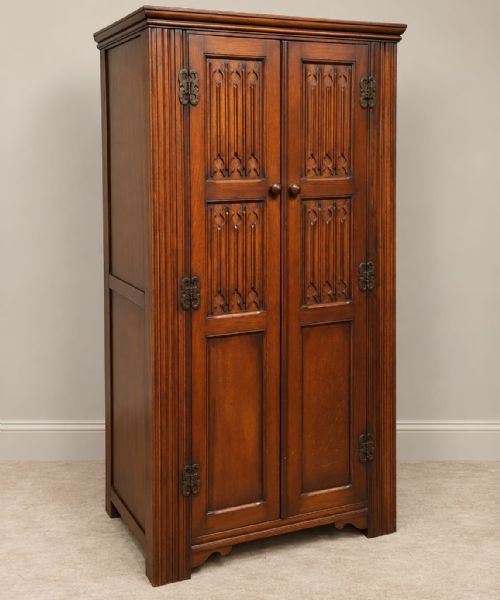
Proportion and decorative restraint also separate standard utility items from finer workshop pieces. Subtle carved details, such as linenfold panels or period brass furniture, elevate the visual weight of a compact frame.
The Narrow Hall Wardrobe Glossary
- Armoire
- A large cupboard or wardrobe used for storing clothing. In narrower formats, it functions effectively within hallways and tight domestic spaces.
- Bonnetiere
- A tall, single door cupboard originally designed in France to store headwear. These pieces share the slender footprint sought by modern hallway buyers.
- Linenfold
- A style of wood carving resembling folded linen, frequently used on panels during the Gothic Revival and later revival periods.
- Cornice
- The ornamental moulding around the top edge of a piece of furniture. It finishes the vertical lines of a hall wardrobe against the ceiling.
Narrow Hall Wardrobe: Frequently Asked Questions
Will a narrow hall wardrobe fit standard coats?
Many slim wardrobes utilise front to back hanging rails or internal hooks to accommodate adult garments within a shallow depth.
Checking the internal measurements ensures coats hang freely without blocking the door closure.
How do I identify a Georgian hall wardrobe?
Georgian pieces generally feature understated proportions, pegged joinery, and waxed pine or mahogany surfaces.
Construction details on the backboards and interior help distinguish genuine eighteenth-century work from later revivals.
Are single door wardrobes stable on uneven floors?
Tall and narrow furniture benefits from careful placement against a wall, sometimes utilising discreet fixings for safety in busy hallways.
Adjusting the feet or leveling the floor beneath prevents the single door from binding on its frame.
What is the difference between oak and pine hall robes?
Oak offers a dense, heavy structure with prominent grain patterns, suited to Arts and Crafts or Jacobean revival designs.
Pine provides a lighter alternative, frequently found with waxed finishes in Victorian and Georgian country pieces.