



Narrow Display Shelving
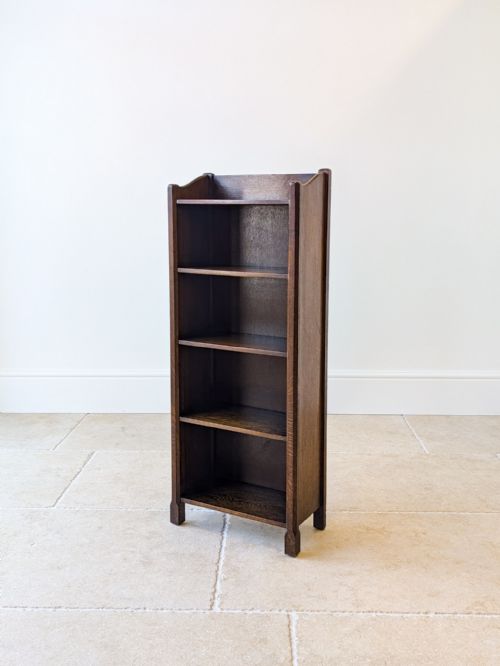
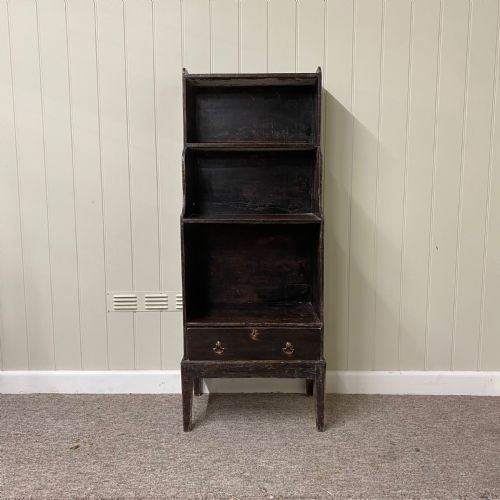
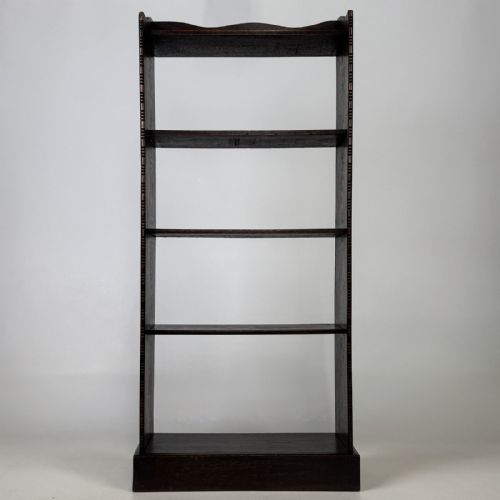
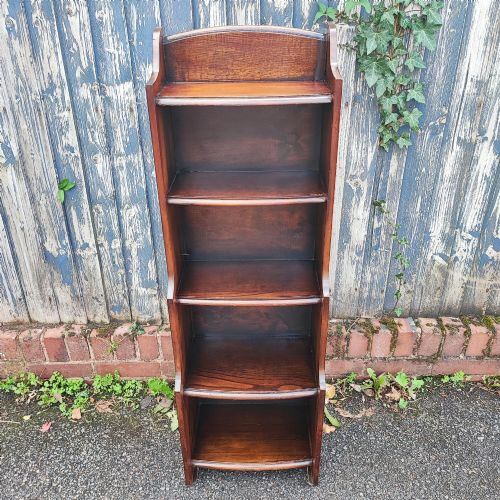
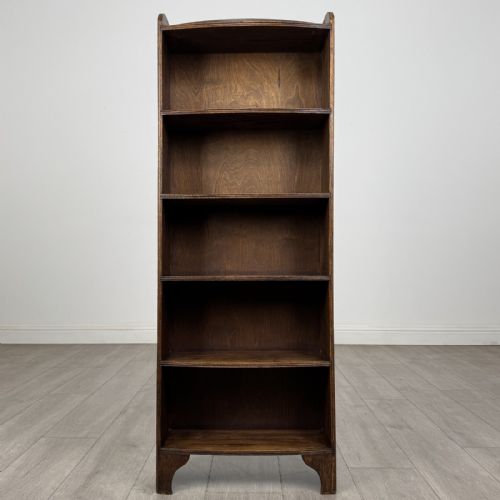
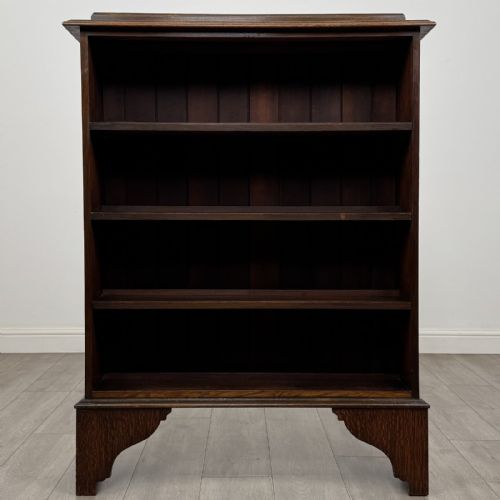
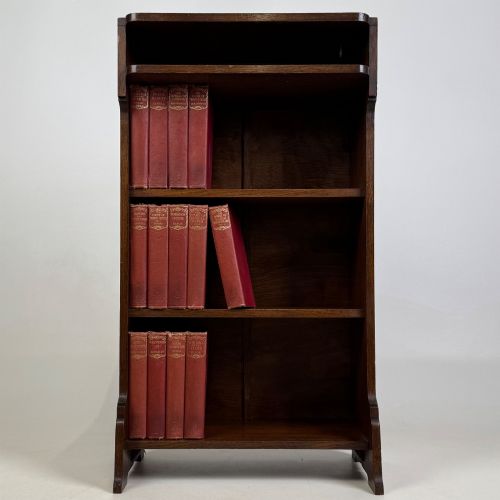
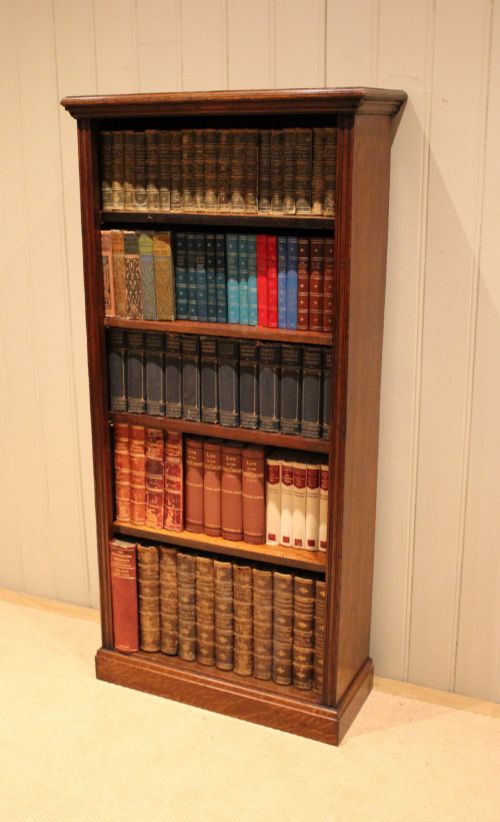
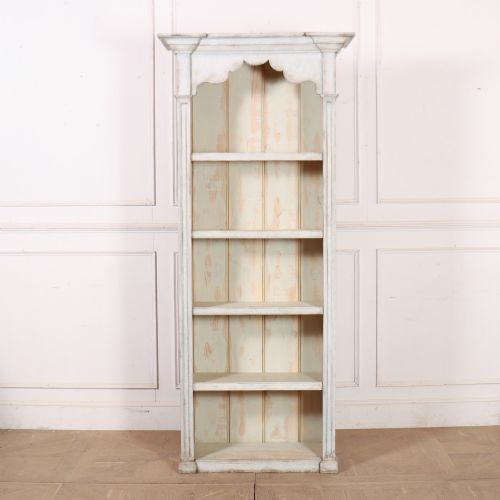
These narrow display shelving pieces offer compact vertical storage, combining open bookcases and etageres to house collections in tight spaces.
Narrow Display Shelving
Narrow display shelving primarily consists of open bookcases, slender etageres, and small whatnots designed to fit compact footprints. These items emerge frequently from Edwardian and Victorian periods, alongside early twentieth-century interpretations.
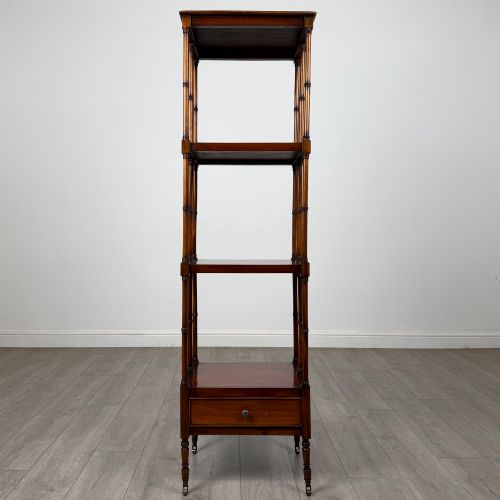
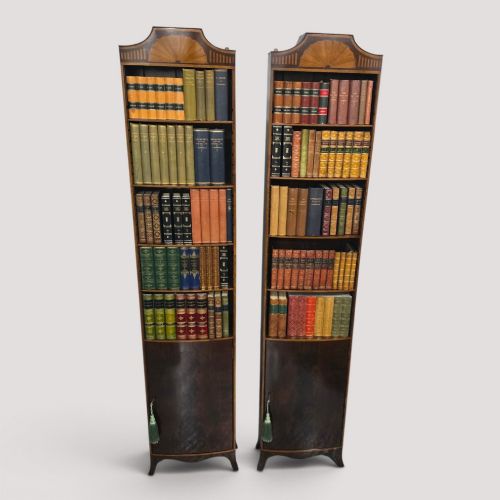
Makers construct these pieces in varied forms, including slim open bookcases with adjustable shelves, tiered étagères, and corner cabinets. Oak and mahogany dominate the selection, often featuring details like raised galleries, carved edges, and inlaid satinwood.
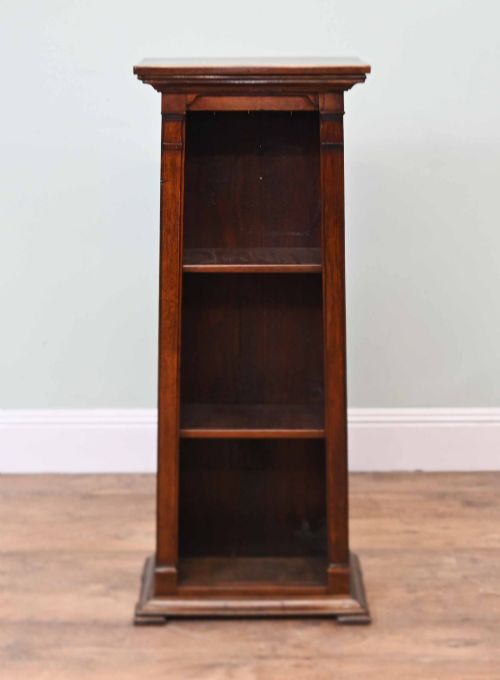
Buyers seeking narrow display shelving encounter numerous compact oak pieces from the nineteen-twenties, as well as refined mahogany examples with slender pillars. These functional items suit smaller rooms where floor space remains at a premium.
Materials and construction methods
Timbers such as oak, mahogany, and rosewood form the structural foundation of these pieces, frequently paired with secondary woods like pine. Craftsmen utilise solid timber and veneers, applying paint finishes or stained treatments to enhance the grain.
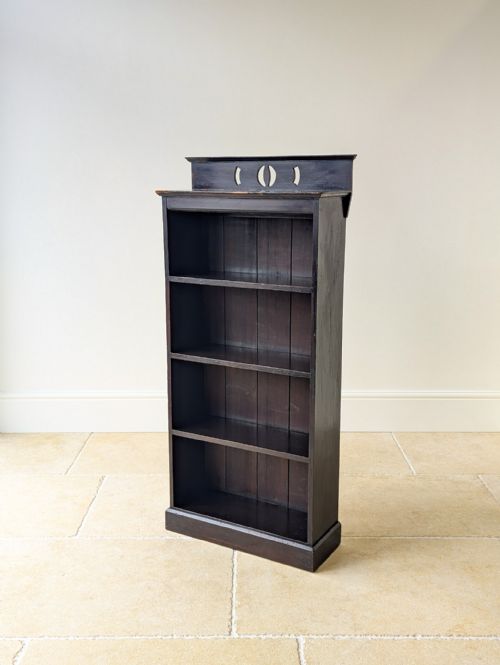
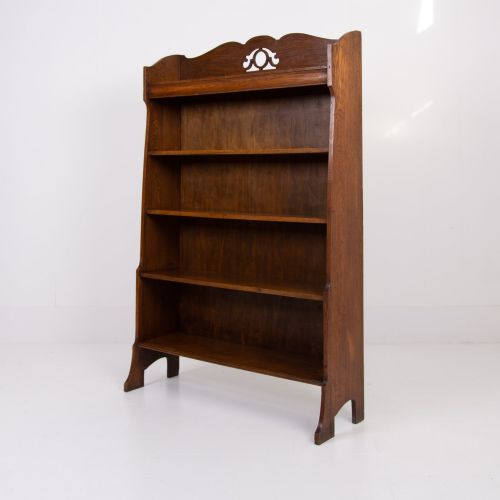
Construction techniques include joined framing for open shelving, beaded edges, and decorative cut-outs seen in Arts and Crafts examples. Slender pillars, carved mouldings, and inlaid satinwood demonstrate the decorative work applied to these narrow frames.
Narrow Display Shelving Retail Price Guide 2026
Typical asking prices for narrow display shelving among the pieces listed under this phrase on Sellingantiques today, from the lower quarter to the upper quarter. They describe what is for sale here now, not the wider market.
Some Edwardian pieces feature decorative cut-outs that allow dust to escape while giving the bookcase an unexpectedly light silhouette.
Differentiating factors in construction and design
The choice of timber and the precision of the joinery set higher grades apart from simpler utilitarian pieces. Dense grains of mahogany, rosewood, and quarter-sawn oak indicate superior material selection.
Refinements such as adjustable shelving mechanisms, inlaid satinwood details, carved edges, and raised galleries elevate a piece beyond standard production. The integration of lower drawers or small cupboards adds functional complexity to the design.
Ercol
The Narrow Display Shelving Glossary
- Étagère
- A set of open shelves for displaying small objects or books. This tiered furniture form originates from the nineteenth century.
- Waterfall bookcase
- A standing set of shelves where each successive shelf is set back from the one below it. The sides typically slope inward toward the top.
- Open bookcase
- A piece of shelving furniture without doors enclosing the front. These units allow immediate access to the volumes stored within.
- Gallery
- A raised ornamental border running along the edge of a shelf or top surface. This feature prevents items from sliding off.
Narrow Display Shelving: Frequently Asked Questions
What distinguishes an etagere from a standard bookcase?
An etagere is typically designed for displaying decorative objects across multiple open tiers rather than strictly housing upright books. These pieces often feature lighter frames and more decorative supports.
Traditional bookcases focus primarily on book storage with deeper shelves, whereas etageres prioritise open display space in living areas.
How do I choose the right wood finish for my room?
Consider the existing timber tones and natural light in your space when selecting between oak, mahogany, or painted finishes. Oak brings a warm, textured grain suitable for rustic or arts and crafts interiors.
Mahogany and rosewood offer deeper, darker red tones that suit more formal or period settings. Painted finishes provide a lighter alternative for smaller spaces.
Where were these slim shelves traditionally placed?
Narrow shelving units were designed to utilise awkward recesses, tight alcoves, and wall spaces between doorways where larger furniture could not fit. Their compact footprints made them versatile additions to Victorian and Edwardian parlours.
They served to hold small libraries, writing accessories, or decorative ornaments without obstructing pathways in domestic rooms.
How do I identify an Edwardian piece?
Edwardian narrow shelving often exhibits lighter construction than heavy Victorian counterparts, reflecting changing domestic tastes around the start of the twentieth century. Common traits include inlaid satinwood, slender pillars, and subtle carved details.
Many examples utilise oak or mahogany, maintaining clean vertical lines and functional open shelving formats suited to smaller urban homes.