

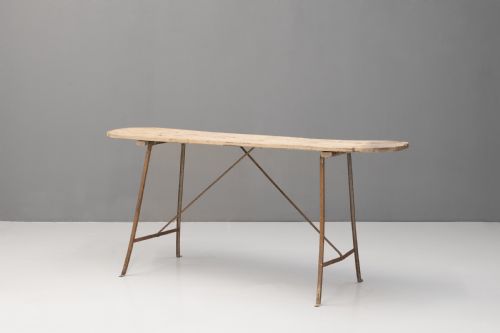

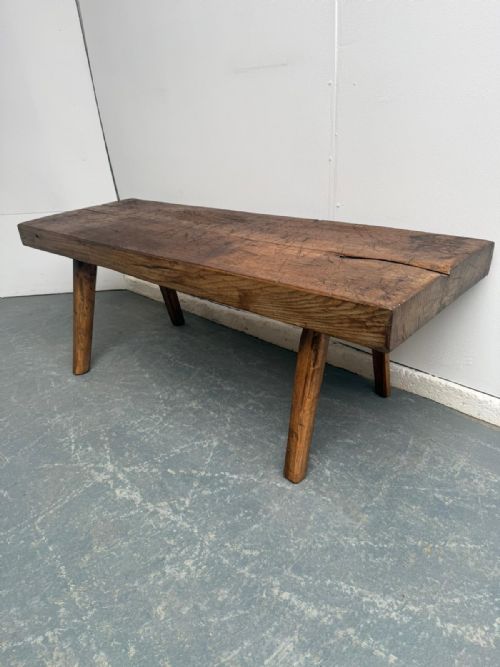


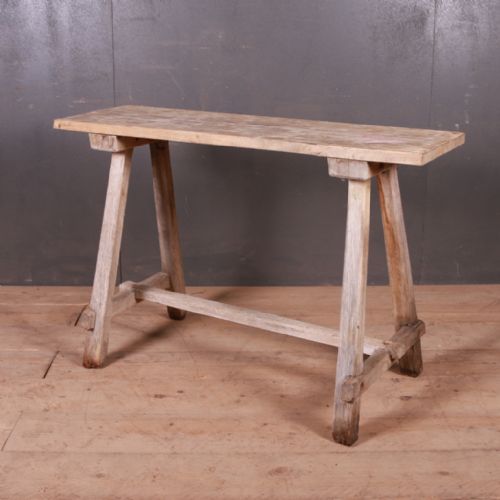

Narrow Country Bench
These narrow country bench pieces bring functional rustic seating to compact spaces, shaped by utilitarian design and honest rural traditions.
Narrow Country Bench
A narrow country bench provides simple seating designed for tight hallways, narrow passages, or modest farmhouse rooms. These pieces serve practical household needs without dominating the floor space of a room.
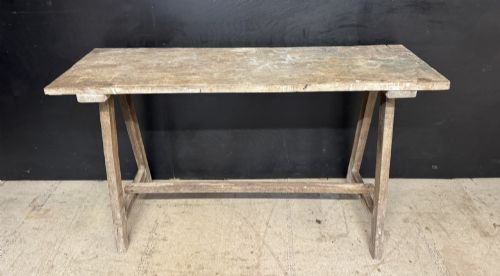
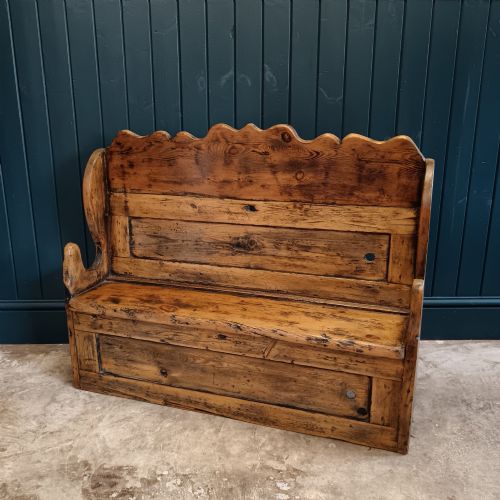
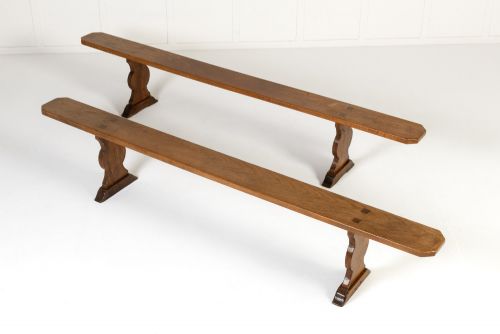
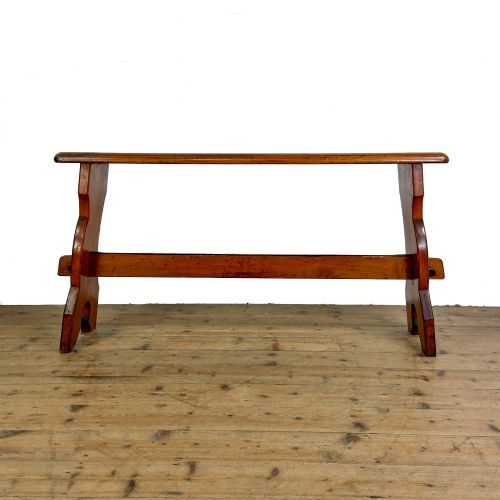
Most examples appearing here draw from nineteenth-century rural traditions, including French provincial and Hungarian variants. They arrive in forms such as slim hallway benches, organ bench side tables, and pigmented work benches.
Makers shaped these items for utility rather than display, constructing straightforward wooden platforms for daily use in farmhouses and provincial homes.
How they were made
Craftsmen utilised native timbers such as oak, elm, pine, sycamore, and hardwood to build these utilitarian seats. These domestic woods provided the necessary structural strength for hard daily work in rural settings.
Simple joinery and sturdy wooden supports defined the construction methods of nineteenth-century rural workshops. Some variants integrated wrought iron details to reinforce the heavy wooden frames against constant strain.
Narrow Country Bench Retail Price Guide 2026
Typical asking prices for narrow country bench among the pieces listed under this phrase on Sellingantiques today, from the lower quarter to the upper quarter. They describe what is for sale here now, not the wider market.
Current listings feature nineteenth-century items constructed from oak, pine, elm, sycamore, and wrought iron.
What varies in quality
The distinction between ordinary utility pieces and finer examples rests in the selection of timbers and the integrity of the surviving structure. Scrubbed and bleached finishes show the natural grain of the elm, oak, or sycamore more clearly.
Proportions and original patination dictate the visual weight of each bench within a domestic interior. Pieces retaining their honest surface wear reflect a genuine history of rural use.
The Narrow Country Bench Glossary
- Elm
- A tough domestic hardwood valued for its resistance to splitting, frequently used for bench seats and tabletops. It has an interlocking grain that provides exceptional durability.
- Pine
- A softwood utilised extensively in nineteenth-century rural furniture for internal elements and simpler domestic seating. It offers a lighter visual weight and pale colour.
- Trestle
- A structural support consisting of a horizontal beam fixed to two splayed legs, commonly found beneath long narrow tables and benches. This design maximises legroom.
- Bleached oak
- Oak timber treated to lighten its natural tone, a finish seen on French provincial pieces from the nineteenth century. This process softens the appearance of dense hardwood.
Narrow Country Bench: Frequently Asked Questions
Where should I place a narrow country bench?
These pieces suit narrow hallways, entryways, or narrow spaces alongside a dining table where depth is restricted. Their compact dimensions allow for seating in awkward room layouts without blocking movement.
They also function effectively as low display surfaces or side tables in living spaces when paired with appropriate interior arrangements.
How do I clean a wooden country bench?
Maintain the surface by dusting with a dry, soft cloth to remove everyday particles. Avoid harsh chemical cleaners that strip the historic finish from pine, oak, or elm.
Apply a traditional beeswax occasionally to nourish dry timber and preserve the natural patination built up over the nineteenth century.
Are these benches sturdy enough for daily seating?
Nineteenth-century rural benches were built for heavy utilitarian tasks and daily household use. Their solid timber construction in hardwood or pine provides dependable structural support.
Regular checks of the joints ensure the piece remains stable and secure during everyday domestic use.
What is the difference between pine and elm benches?
Pine provides a softer, lighter timber with a pale hue suited to simpler provincial furniture. Elm is a denser hardwood with pronounced grain patterns chosen for durability and strength.
Both materials reflect the regional timber availability of nineteenth-century rural workshops.