

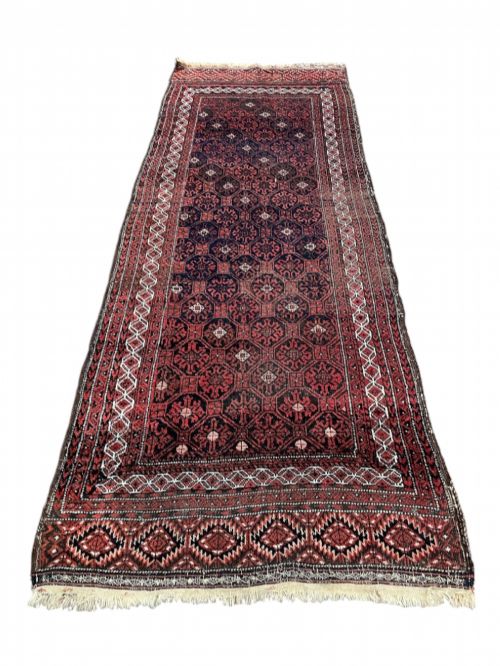
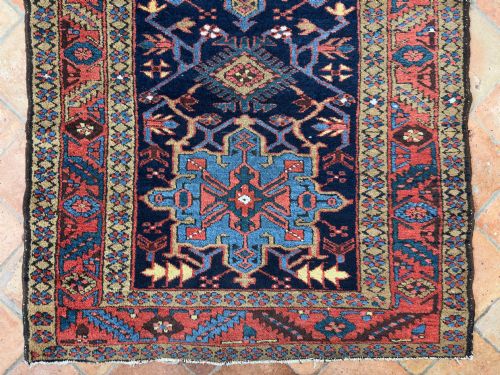


Narrow Carpet
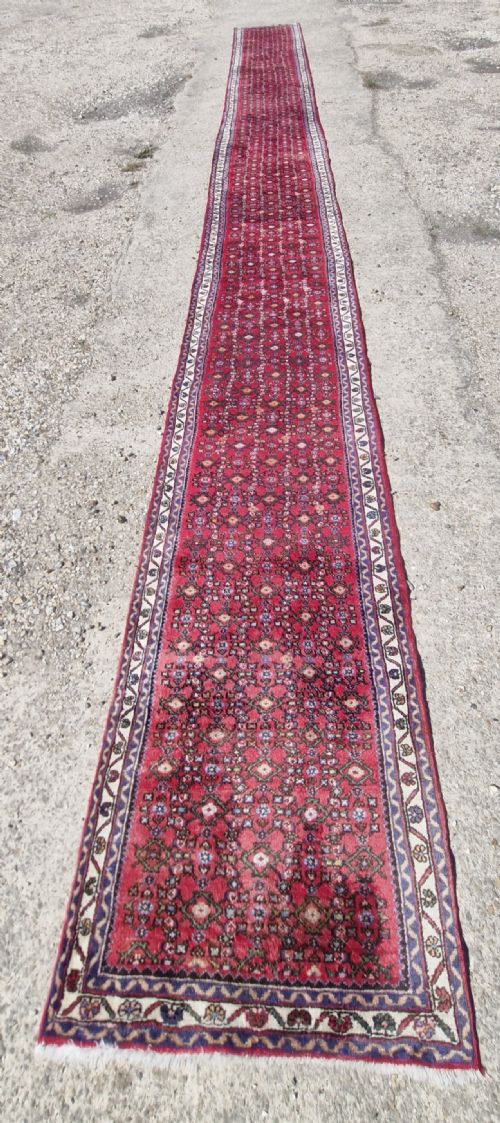
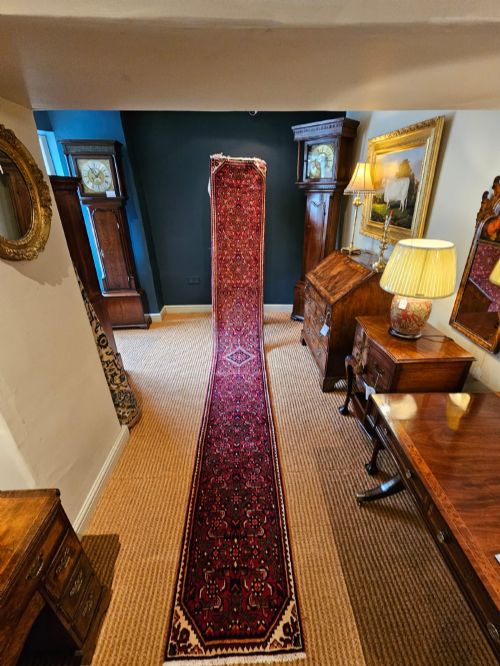
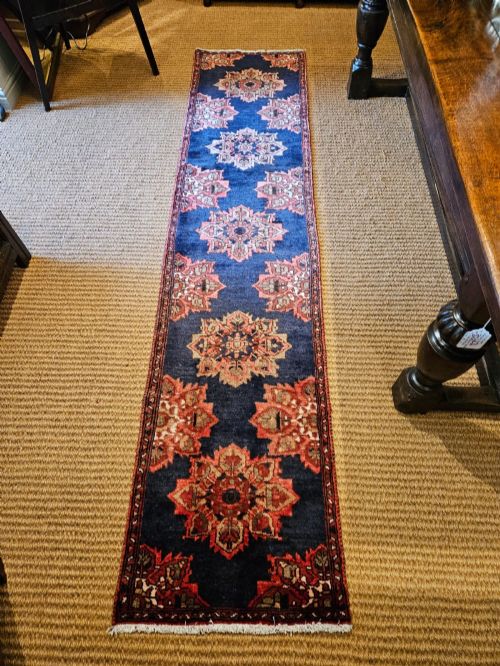
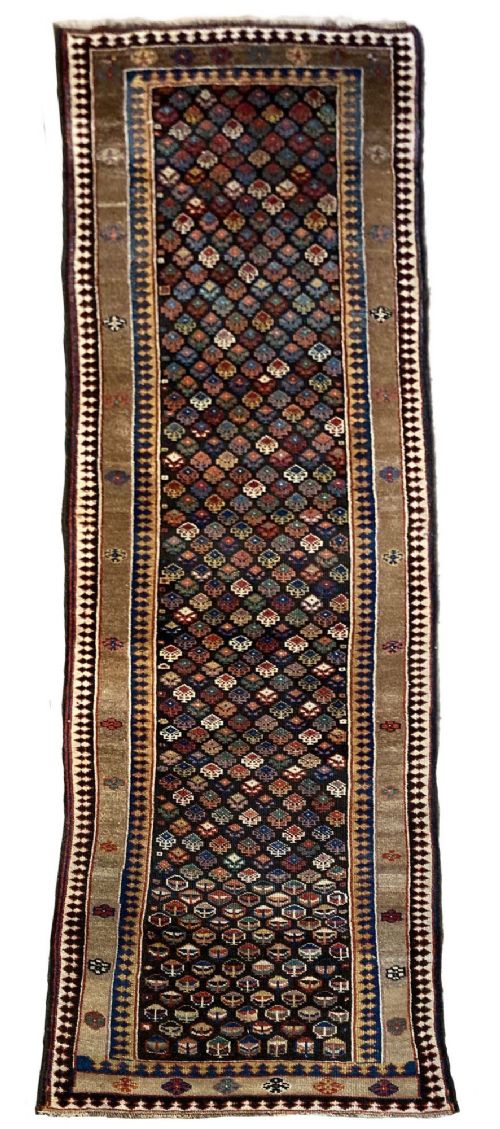
A narrow antique carpet provides a functional, extended span of woven floor art designed specifically for long hallways and corridors.
Narrow Carpet
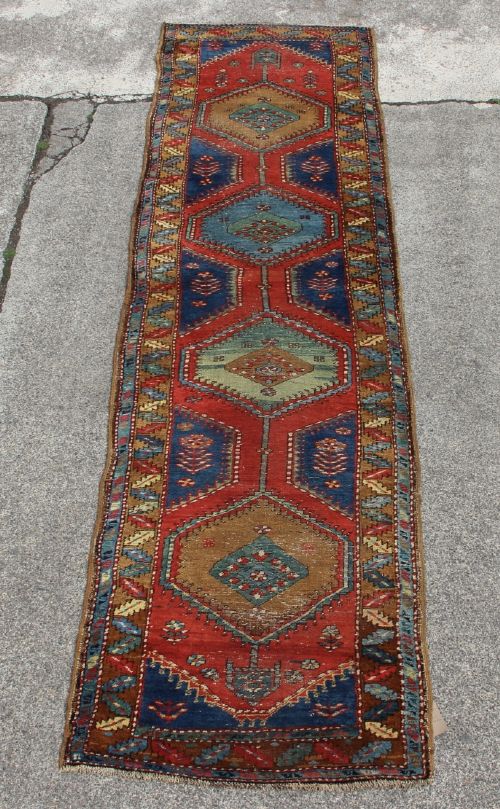
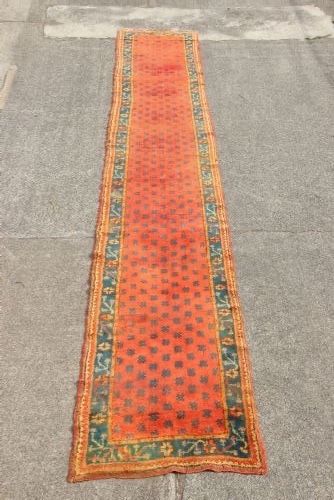
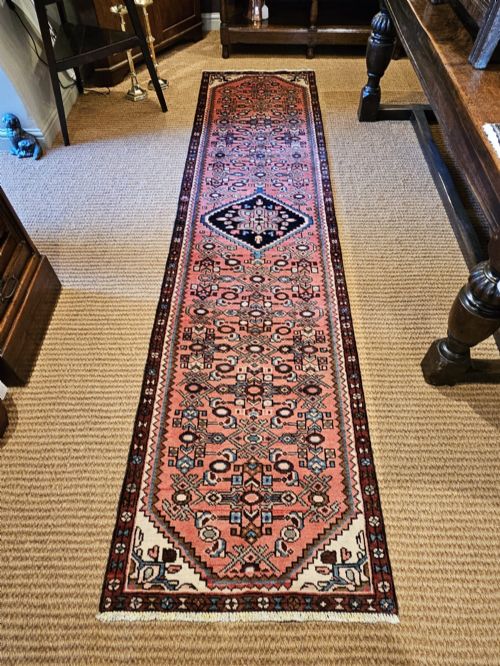
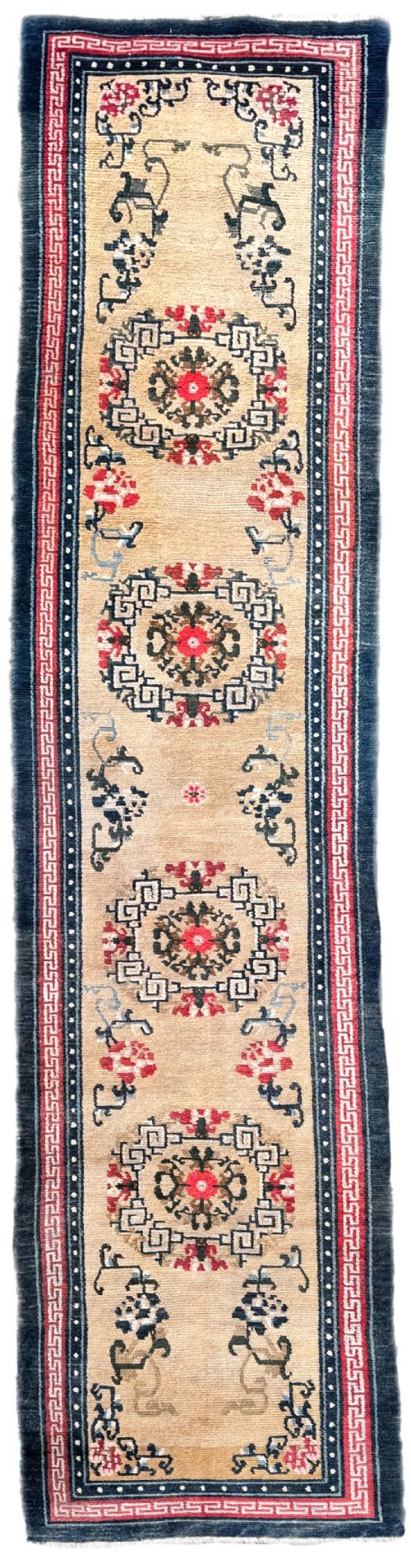
A narrow antique carpet functions primarily as a hallway or corridor runner, spanning long distances with traditional floor coverings. These pieces originate from various regions including Persian tribal areas, Turkey, the Caucasus, Tibet, and Morocco.
The selection here encompasses room-length runners and long floor rugs dating from the late nineteenth century through the early twentieth century. Common stylistic origins include Heriz, Hamadan, Kurdish, and Oushak traditions, each bringing distinct regional patterns to the narrow format.
Buyers encounter elongated formats specifically proportioned for corridors, stairs, and narrow landings. These textiles combine practical floor protection with intricate historical weaving traditions.
Materials and construction methods
Weavers utilised natural materials such as wool, hand-spun wool, cotton, and camel hair to construct these durable floor coverings. Wool provides resilient pile surface texture while cotton frequently forms strong structural foundations.
Traditional techniques involve hand-knotting or flat-weaving structural foundations that endure heavy foot traffic in domestic corridors. The combination of sturdy pile fibres and tight structural tension ensures long-term endurance for narrow formats.
Narrow Carpet Retail Price Guide 2026
Typical asking prices for narrow carpet among the pieces listed under this phrase on Sellingantiques today, from the lower quarter to the upper quarter. They describe what is for sale here now, not the wider market.
Some resilient runners stretch past thirty feet, proving that historical weavers understood the marathon length of grand hallway floors.
Evaluating quality and condition
Quality rests upon the integrity of the foundation weave, the resilience of the wool, and the clarity of regional design motifs. Tighter knot density and well-preserved pile height distinguish finer examples from heavily worn pieces.
The depth of natural dyes and the consistency of the narrow proportions significantly influence the visual impact of each carpet. Original edge bindings and intact ends also contribute to the overall integrity of the textile.
The Narrow Carpet Glossary
- Runner
- A long, narrow carpet format specifically proportioned for hallways, corridors, and staircases.
- Pile
- The upright yarn loops or cut ends forming the soft surface of a carpet. This layer absorbs foot traffic and displays the woven design.
- Warp
- The vertical foundation threads running the entire length of the carpet. Weft threads pass horizontally through these structural elements.
- Kilim
- A flat-woven carpet or runner produced without a raised pile. These textiles rely entirely on interlocking warp and weft threads to form patterns.
Narrow Carpet: Frequently Asked Questions
Where should I place a narrow antique carpet?
These extended runners suit long hallways, narrow corridors, and transitional landings where standard rectangular rugs fail to fit. Their elongated proportions guide movement through architectural spaces while protecting wooden floors.
Positioning them away from direct moisture helps preserve the natural wool and cotton fibres over decades of daily domestic use.
How do I clean an antique runner?
Regular gentle vacuuming without a rotating brush roll removes surface grit from the wool pile. Professional textile cleaning specialists should handle deep washing to prevent dye migration.
Avoiding harsh chemical treatments maintains the stability of the historical fibres and natural dyes used in the weave.
What regions produced these narrow carpets?
Weavers across Persia, Turkey, the Caucasus, Tibet, and Morocco created these elongated formats for domestic corridors. Persian styles like Heriz and Hamadan frequently appear alongside Turkish Oushak and Caucasian Shirvan designs.
Each region utilised local wool varieties and distinct geometric or floral motifs within the narrow layout.
How do I determine the age of my carpet?
Evaluating the structural materials, dye palettes, and regional knotting techniques helps estimate the period of production. Pieces dating from the late nineteenth and early twentieth centuries often feature hand-spun wool and vegetable-derived colours.
Comparing stylistic border patterns and structural construction against documented regional examples clarifies the timeline.