

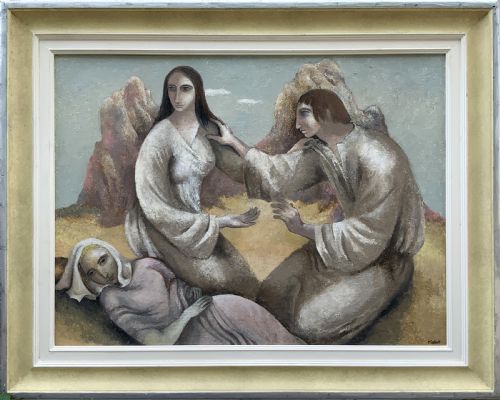


Muted Oil Painting Wall Art
These muted oil painting wall art works span from the nineteenth century to the mid-twentieth century, offering subtle palettes and textured brushwork for interiors.
Muted Oil Painting Wall Art
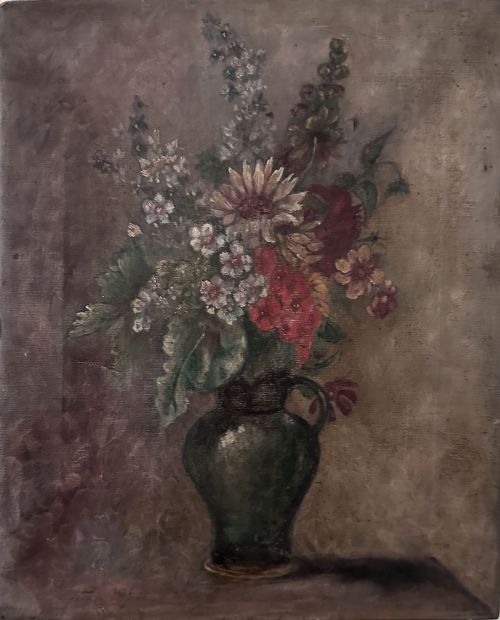
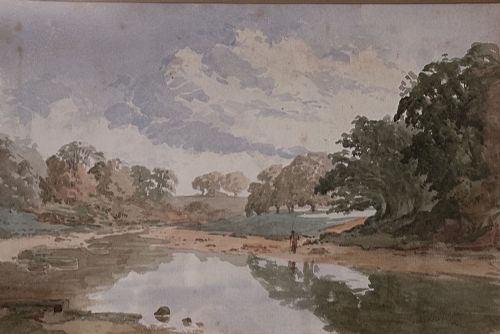
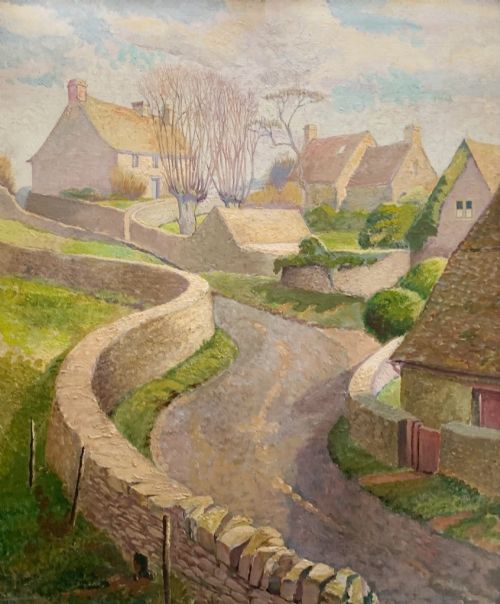
Muted oil painting wall art encompasses framed landscapes, seascapes, portraits, and still lifes created across several decades from the early nineteen hundreds onward. Works range from British impressionist scenes to mid-century modernist compositions, often depicting rural or industrial subjects.
Buyers will encounter canvas, board, and wooden panels bearing oil paint, with many pieces originating from British and European schools. The selection includes both signed works by known artists and unsigned examples from regional English painters.
How they were made
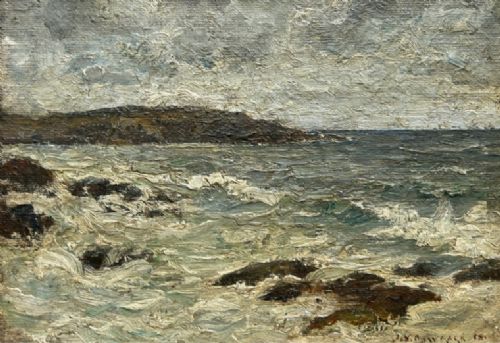
Artists applied oil paint using traditional brushes or palette knives, building up impasto textures on woven canvas or rigid wooden boards. The mediums relied on slow-drying oils that allowed painters to blend subdued tones and achieve subtle shifts in light.
Supports generally consist of stretched canvas or wood panels, sometimes fitted into period wooden frames that complement the restrained colour palette of the painted surface.
The listings span multiple decades, incorporating canvas, board, and wood supports painted with oils during the nineteenth and twentieth centuries.
What varies in quality
The strength of composition and the handling of pigment distinguish finer works from simpler decorative pieces. Masterful tonal control within a subdued palette creates depth and atmospheric weight that lesser examples lack.
The integrity of the original support and the preservation of the paint layer determine the overall standard of survival. Works with stable canvas tension and minimal pigment loss retain their intended visual harmony.
Kenneth Cozens·Christine Nesbit·Gyrth Russell·Ernest Higgins Rigg·Herbert Royle·Arthur Winter Shaw·William Hatherell·Ruth Prowse·Fred Stead·Frank Shenton·Kershaw Schofield·William Greaves·Owen Bowen·Augustus William Ennes
The Muted Oil Painting Wall Art Glossary
- Impasto
- Paint applied thickly to a canvas or board, standing out in relief from the surface and catching the light. This technique adds tactile dimension to coastal scenes and landscapes.
- Board
- A rigid wooden or fibrous support used instead of stretched canvas for painting. It provides a firm foundation for oil colours.
- Post-Impressionism
- An art movement extending beyond impressionism that prioritised expressive forms and structural brushwork over pure optical realism. Works from this style often feature simplified shapes and muted tones.
- Canvas
- A heavy woven fabric stretched across a wooden frame to form a stable painting surface. It is the primary support found in many traditional oil artworks.
Muted Oil Painting Wall Art: Frequently Asked Questions
How do I hang a heavy oil painting safely?
Ensure the wall fixings are anchored securely into solid brick or timber studs rather than relying solely on plaster. Use picture wire rated well above the weight of the framed piece.
Check that the D-rings and hanging cord on the reverse of the frame are firmly attached to the wooden structure. This prevents warping and keeps the artwork level over time.
What lighting suits a muted oil painting best?
Position the artwork away from direct, harsh sunlight to prevent the oil pigments from fading or the varnish from yellowing. Soft, indirect ambient light allows the subtle tonal shifts to remain visible.
Warm LED picture lights fitted with UV filters provide controlled illumination without generating excessive heat near the canvas surface.
How should I clean an antique oil painting?
Dust the surface very gently with a dry, soft-bristled artist brush to remove loose particles without disturbing the paint layer. Avoid using water, household cleaners, or damp cloths on the canvas.
Any deeper cleaning or removal of aged varnish requires the expertise of a professional conservator to prevent permanent damage to the pigments.
How do I identify the period of a painting?
Examine the stretcher bars, nails, and framing materials on the reverse, as manufacturing techniques changed noticeably between the nineteenth and mid-twentieth centuries. Canvas stamps and handwritten inscriptions often provide direct clues.
Stylistic elements, clothing styles in portraits, and the signature style of the artist also help narrow down the decade of creation.