


Muted Brown Watercolour
Muted brown watercolour paintings capture atmospheric landscapes and domestic scenes through delicate washes of earth-toned pigment on paper.
Muted Brown Watercolour
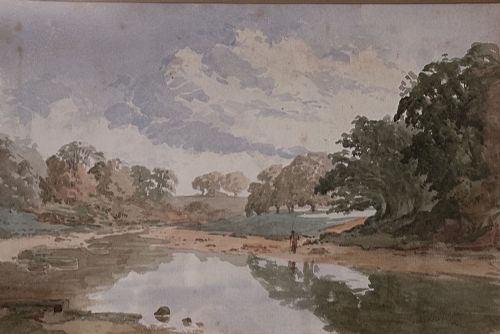
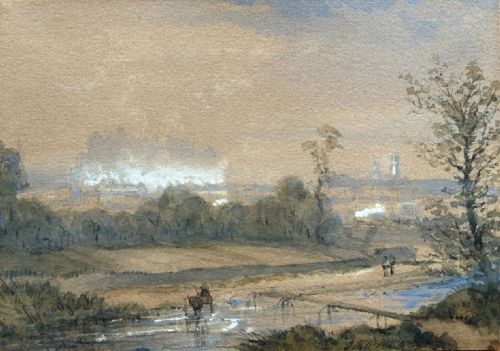
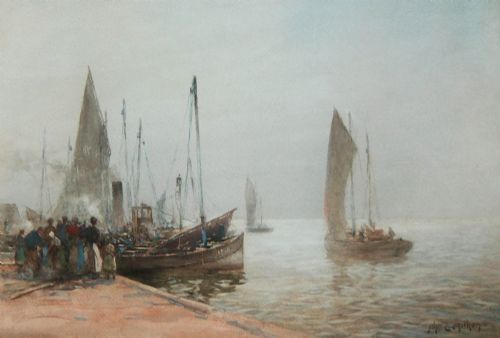
Muted brown watercolour works encompass original British paintings created across the nineteenth and twentieth centuries, spanning periods from the Victorian era to mid-century realism. A buyer searching this phrase encounters framed wall art depicting landscapes, coastal harbours, and historical views rendered primarily in subdued earthy tones.
The selections on this page highlight traditional fine art paintings on paper, including works by identified British and Irish artists. These pieces range from detailed nineteenth-century topographical studies to impressionist farming scenes and snowy winter landscapes.
Materials and technique
These works are executed using watercolour pigment applied directly to paper, sometimes supplemented with wood frames and glass protection. Artists built compositions through fluid washes of paint, allowing the white of the paper to provide highlights while earthy brown and sepia tones established depth and shadow.
The application relies on water-soluble binders mixed with finely ground colour, demanding precise brushwork as adjustments on paper remain difficult. Surviving examples demonstrate how makers handled pigment to capture light and atmosphere in landscape and figurative subjects.
Several artists captured chilly scenes of snow and winter twilight, proving that nineteenth-century painters appreciated a brisk walk just as much as we do.
Judging quality in watercolour paintings
Quality rests upon the artist's handling of tone and the preservation of the paper surface over time. Stronger examples display confident brushwork and secure compositional balance, whereas lesser pieces often show static execution or excessive fading from light exposure.
The integrity of the medium matters greatly, with superior works retaining tonal depth within the brown washes rather than appearing flat or overworked. Framing choices and the absence of heavy foxing or moisture staining also distinguish better-preserved historical examples.
James E. Aitken·Ernest Pile Bucknall·Sir Thomas Newenham Dean·Fred Lawson·James Orrock·Walter Sickert·Edmund Morris Wimperis
The Muted Brown Watercolour Glossary
- Watercolour
- A painting method where natural pigments are suspended in a water-soluble vehicle and applied to paper. This medium allows for transparent washes that build up luminous layers of colour.
- Foxing
- Brown spots and discolouration that appear on old paper due to chemical reactions over time. Humidity and acidic materials often accelerate this spotting process.
- Topographical
- A style of painting that accurately depicts specific real-world locations and landscapes. These works serve as visual records of towns, rivers, and buildings.
- Impressionism
- An art movement focusing on transient effects of light and everyday subject matter rather than rigid academic detail. Artists often used rapid brushstrokes to capture an immediate visual experience.
- Wash
- A thin, fluid layer of diluted pigment spread evenly across paper to create backgrounds or skies. It forms the tonal foundation for many traditional watercolour compositions.
Muted Brown Watercolour: Frequently Asked Questions
How should I hang old watercolours?
Display these paper works away from direct sunlight to prevent the brown pigments and paper from fading over time. Maintaining stable indoor humidity levels also protects the paper and framing.
Ensure the frame uses conservation-grade backing and glass that filters ultraviolet light. This protects the delicate surface from environmental damage while keeping the painting secure.
What subjects appear in these paintings?
The works primarily depict British and continental landscapes, rural villages, coastal harbours, and domestic genre scenes. Artists recorded specific locations ranging from Scottish highlands to Yorkshire dales.
Many pieces capture specific architectural views or weather conditions, such as winter snow and overcast skies. Figures engaged in daily work or leisure also frequent these compositions.
How do I identify a Victorian watercolour?
Victorian watercolours often feature meticulous detail, narrative subject matter, and traditional landscape or domestic themes. The paper stock and framing style often reflect nineteenth-century manufacture.
Signatures, dates, and artist inscriptions written in period script frequently provide direct evidence of the creation era. Stylistic conventions of the period lean towards realistic depiction and atmospheric lighting.
Are these paintings original works?
The listings consist of original hand-painted watercolours created directly by artists rather than modern reproductions or prints. Each piece represents a unique application of pigment onto paper.
Brush textures, pigment pooling, and the physical interaction between paint and paper fibres confirm their status as unique handmade art. Historical labels and signatures further verify their individual origin.