





Muted Brown Oil Painting
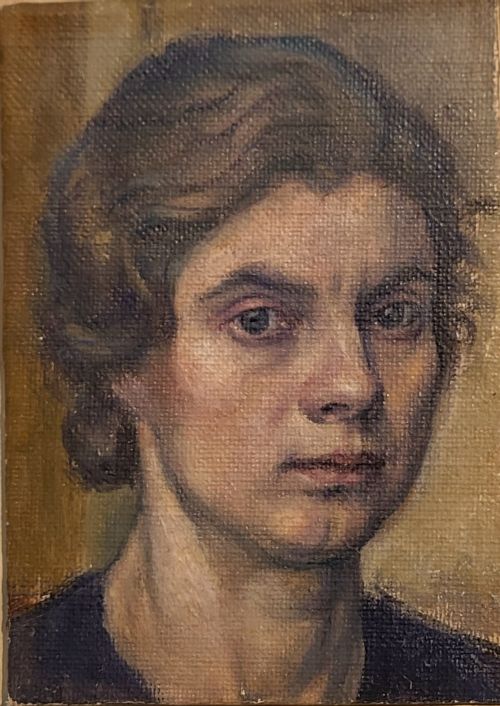
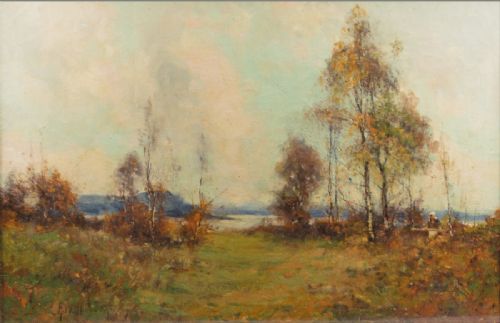
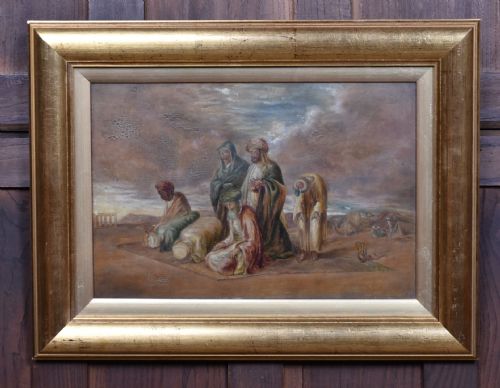
A muted brown oil painting brings quiet depth to a room, using earthy tones to capture landscapes, portraits, and rural scenes.
Muted Brown Oil Painting
When you search for a muted brown oil painting, you encounter works spanning the Victorian era through the mid twentieth century, including British Impressionism, Post-Impressionism, and Realism. These artworks range from intimate portraits of women and children to marine views, harbour scenes, and rural landscapes.
The most common examples on this page date from the late nineteenth century and the early decades of the twentieth century. They include subjects such as Cornish and Scottish coastal views, village stores, and winter park scenes rendered in subdued palettes.
Makers represented span various regional schools and international artists working in France, Britain, Canada, South Africa, and Sweden. Works appear on canvas, board, and panel, often retaining their original frames.
How they were made
Artists painted primarily with oil paint applied to prepared canvas, wooden boards, or wooden panels supported by wood stretchers. The medium allowed for subtle blending and rich, layered textures that developed deep patinas over time.
The handling of pigment relies on Impressionist and Post-Impressionist techniques, balancing visible brushwork with tonal control to achieve earthy, restrained colour schemes. Panels and boards provided rigid grounds for detailed depictions of domestic interiors, coastal harbours, and pastoral life.
Muted Brown Oil Painting Retail Price Guide 2026
Typical asking prices for muted brown oil painting among the pieces listed under this phrase on Sellingantiques today, from the lower quarter to the upper quarter. They describe what is for sale here now, not the wider market.
A solitary pheasant and a quiet rabbit share space with bustling Scottish harbours and Dutch hearths.
What varies in quality
Quality rests on the certainty of attribution and the strength of the composition, distinguishing signed works by listed artists from anonymous school pieces. The handling of light and shadow, particularly in chiaroscuro and tonal landscapes, separates works of striking atmosphere from routine topographical records.
The preservation of the paint surface and the stability of the ground material also determine the standing of a piece. Original framing, clear provenance, and distinct regional subjects enhance the overall character of the painting.
Kenneth Cozens·Alexander Wellwood Rattray·Gyrth Russell·Arthur Winter Shaw·Owen Bowen·Ruth Prowse·Ernest Higgins Rigg·William Greaves·Peter Greenham·James Kay·Samuel Bough
The Muted Brown Oil Painting Glossary
- Oil on canvas
- A painting technique where oil-based pigments are applied to a stretched woven fabric support. This combination provides flexibility and durability for the artist.
- Board
- A rigid flat support made of wood or composite material used in place of canvas. It offers a firm surface for direct impasto and smooth brushwork alike.
- Chiaroscuro
- An artistic effect contrasting light and shadow to create volume in figures and objects. This method adds dramatic depth to interior and rural scenes.
- Impressionism
- A nineteenth century painting style focusing on transient visual impressions, ordinary subject matter, and loose brushwork. Artists captured natural light outdoors.
- Post-Impressionism
- A subsequent movement extending Impressionism while rejecting its limitations, emphasising symbolic content and expressive use of paint. Artists developed highly individualistic brush techniques.
Muted Brown Oil Painting: Frequently Asked Questions
How do I care for an old oil painting?
Keep the painting away from direct sunlight, dampness, and extreme temperature fluctuations. Dust the surface gently with a soft, dry brush without applying pressure.
Avoid using water, chemical cleaners, or commercial sprays on the paint or canvas. Consult a professional conservator if the surface requires cleaning or stabilisation.
What periods do these paintings cover?
The works span from the Victorian era through the mid twentieth century. Dates stretch from the nineteenth century into the nineteen sixties.
Most pieces belong to the late nineteenth and early twentieth centuries, reflecting Impressionist and Realist movements.
Are these paintings signed by the artists?
Many pieces feature signatures, monograms, or inscriptions left by the painter. Attribution is sometimes linked to specific regional schools when signatures are absent.
Documentation in titles often records known artists from British, European, and international traditions.
What surfaces were used for these artworks?
Artists painted on stretched canvas, wooden panels, and boards. Supports often included wood stretchers to maintain canvas tension.
Panel paintings provide a rigid alternative that survives well in varied domestic environments.