



Mother of Pearl Handle Knives
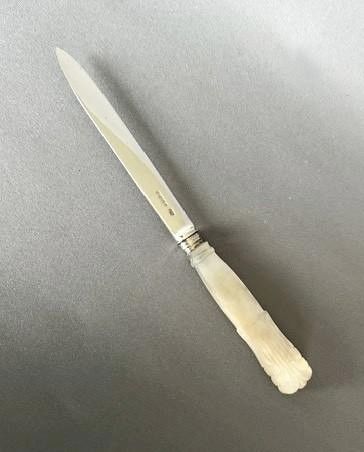
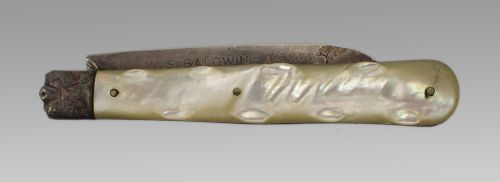
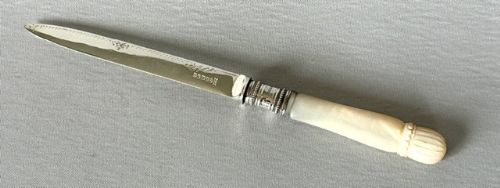
These mother of pearl handle knives bring iridescent lustre and delicate carving to the desk and dining table alike.
Mother of Pearl Handle Knives
When you search for mother of pearl handle knives, you enter a domain of refined dining implements, desk accessories and personal cutlery spanning the Victorian and Edwardian eras. The selection comprises fruit knives, butter knives, serving sets, letter openers and desk tools shaped in the nineteenth and early twentieth centuries.
You are most likely to meet individual fruit knives, butter knives and small letter openers fitted with lustrous shell scales, alongside cased cutlery sets intended for desserts and formal dining. The forms range from simple nineteenth-century pocket pieces to ornate George V silver-bladed openers and golf club cake knives.
Origins stretch across English workshops and nineteenth-century European centres, with pieces carrying hallmarks or mounts in sterling silver and silver plate. These implements reflect the domestic rituals of the 1860s through to the 1920s, combining utility with decorative shell work.
How they were made
Handles are formed from mother of pearl, prized for its shimmering iridescence and carved into faceted, smooth or panelled scales pinned to metal tangs. This delicate material is paired with steel blades, cast silver blades and solid silver gilt.
Blades and mounts often feature engraved decoration, floral chasing or polished finishes, while fitted presentation boxes incorporate velvet and wood linings. The assembly requires careful riveting to secure the brittle shell panels to the metal core without fracture.
Mother of Pearl Handle Knives Retail Price Guide 2026
Typical asking prices for mother of pearl handle knives among the pieces listed under this phrase on Sellingantiques today, from the lower quarter to the upper quarter. They describe what is for sale here now, not the wider market.
One exceptional Edwardian offering takes the playful form of a golf club cake knife.
What varies in quality
Quality rests in the depth and iridescence of the mother of pearl shell used for the handle, together with the crispness of any engraved detail upon the silver or steel blade. Finer examples display thick, unblemished shell scales that fit flush against the bolster without gaps.
The presence of hallmarks, solid sterling silver or silver gilt blades, and original velvet-lined presentation boxes elevate a piece above standard plated wares. Superior execution shows in balanced proportions and the harmonious integration of carved shell with metalwork.
The Mother of Pearl Handle Knives Glossary
- Mother-of-pearl
- The hard, iridescent inner layer of certain mollusc shells. It provides a shimmering, durable surface for knife handles and decorative inlays.
- Silver gilt
- Silver that has been coated with a thin layer of gold on its surface. This technique adds warmth and protects the underlying silver from tarnishing.
- Bolster
- The thick metal collar situated between the blade and the handle of a knife. It provides structural strength and a smooth transition to the grip.
- Tang
- The continuation of the blade into or through the handle. In these pieces, it is typically secured with pins passing through the mother of pearl scales.
Mother of Pearl Handle Knives: Frequently Asked Questions
What were mother of pearl handle knives used for?
These implements served specific dining and writing functions, particularly for slicing acidic fruits like peaches or citrus where steel would leave a metallic taste. They also graced tea tables as butter knives and desk spaces as letter openers.
Larger boxed sets handled dessert courses and cake service during formal Victorian and Edwardian meals. Their delicate materials suited parlour use rather than heavy kitchen preparation.
How do I care for mother of pearl?
Mother of pearl requires gentle handling because the natural shell can scratch or fracture under sudden impacts. Wash items by hand in lukewarm water using mild soap and dry them immediately with a soft cloth.
Avoid soaking these pieces in hot water or putting them in a dishwasher, as moisture and heat weaken the adhesives and pins holding the handle scales together.
How can I tell the period?
Dating relies on stylistic clues, metal hallmarks, and the construction methods visible on the bolster and tang. Victorian examples often feature deeper chasing and robust silver mounts, while Edwardian and George V pieces show lighter, refined profiles.
Boxed sets from the late nineteenth and early twentieth centuries frequently retain retailer labels or specific case designs that help narrow down their decade of manufacture.
Are the blades made of silver?
Blades in this category vary between steel, solid sterling silver, silver gilt, and silver plate depending on the specific tool's purpose. Fruit knives and letter openers frequently utilised silver to prevent staining from fruit acids.
Desk accessories and utility pocket knives often relied on steel blades for greater cutting edge retention. Hallmarks on the metal components indicate the purity and origin of the silver used.