





Model Ship in Box
A model ship in box is a cased maritime diorama or folk art vessel that brings miniature nautical history straight into a room.
Model Ship in Box
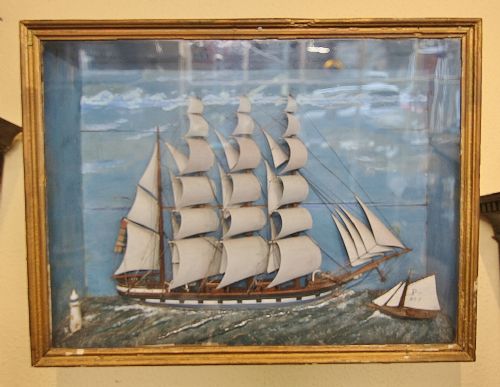
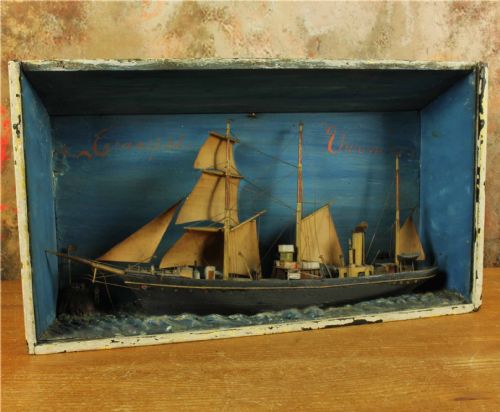
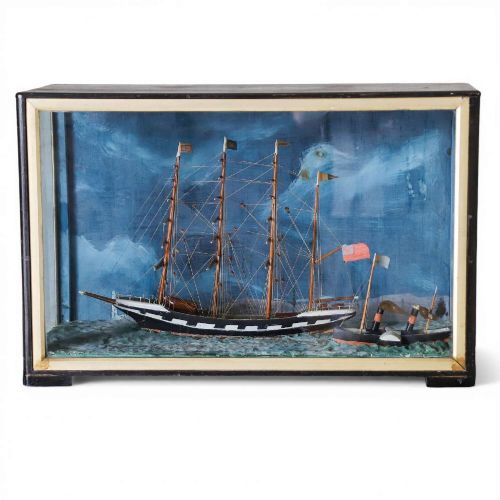
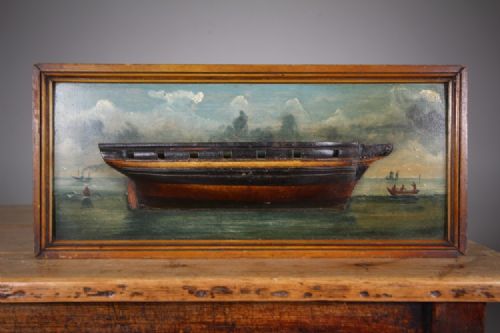
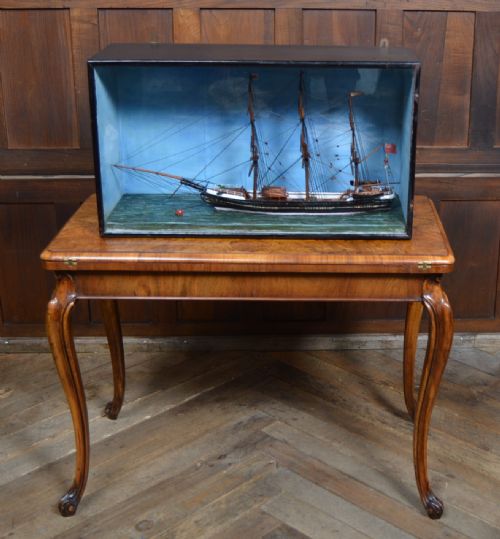
When you search for a model ship in box, you encounter cased maritime dioramas and folk art vessels created across the nineteenth and early twentieth centuries. These pieces typically present sailing ships, racing vessels, or fighting ships encased behind glass to protect the delicate work within. You are most likely to meet nineteenth-century examples embodying Victorian maritime folk art traditions, often housed in shadow boxes or glazed frames.
The objects span diverse regional origins and specific naval tributes, including English and French handmade boat models alongside Cornish pieces and named vessels like the Glynllifon or Queen Anne. Makers utilised shaped canvas, wood, plaster, and painted backgrounds to simulate dynamic seascapes, sometimes incorporating turneresque painted skies behind the carved hulls. These framed dioramas function as both wall art and tabletop displays, capturing the enduring appeal of maritime heritage.
Construction and materials
Craftsmen built a model ship in box using a combination of wood, canvas, and painted plaster to construct both the vessel and the surrounding sea. The hulls and masts were carved and rigged by hand, often scratch-built by folk artisans or sailors using simple materials found to hand. Detailed elements such as miniature sails and rigging were secured within shadow boxes, whilst painted backgrounds gave an illusion of depth to the open water.
Glazed enclosures protected the fragile interior components from dust and damage, keeping the delicate paper, fabric, and straw work intact over generations. Makers frequently applied layered paint to canvas or board to render tumultuous waves and moody skies behind the wooden models. The integration of diecast metal or cardboard sometimes appeared in later twentieth-century iterations, yet traditional timber and textile construction remained standard.
Model Ship in Box Retail Price Guide 2026
Typical asking prices for model ship in box among the pieces listed under this phrase on Sellingantiques today, from the lower quarter to the upper quarter. They describe what is for sale here now, not the wider market.
Listings feature nineteenth and early twentieth-century pieces, incorporating wood, glass, canvas, and plaster across diverse styles of folk art and maritime dioramas.
Assessing quality and craftsmanship
The standard of a model ship in box depends heavily on the fineness of the rigging work and the spatial depth achieved within the glazed case. Superior examples display intricate, accurate miniature rigging alongside carefully sculpted waves that create a convincing sense of motion upon the sea. The integration of the painted background with the physical wooden model dictates whether the diorama reads as a flat picture or an immersive three-dimensional scene.
Originality of components and the sophistication of the folk art execution further distinguish finer pieces from simpler decorative items. Early nineteenth-century straw work embellishments or detailed scratch-built constructions elevate the technical achievement of the maker. Furthermore, the condition of the protective glass and the stability of the internal wooden hull determine the enduring integrity of the diorama.
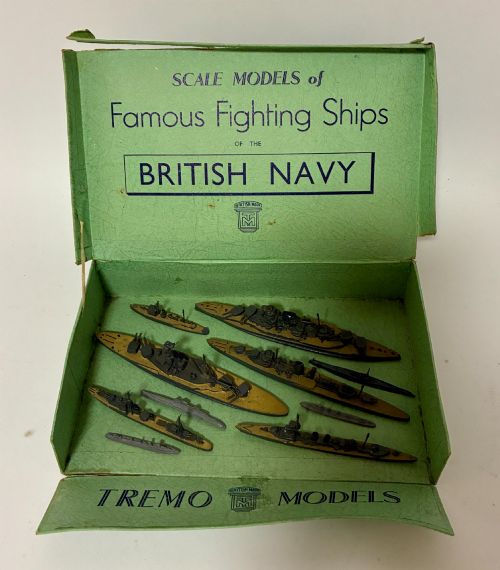
Tremo Scale Models
The Model Ship in Box Glossary
- Shadow Box Diorama
- A shallow glazed container framing a three-dimensional scene built up from painted backgrounds and physical objects. This format protects delicate maritime models from environmental wear while allowing wall mounting.
- Scratch-Built
- Describing a model constructed entirely from raw materials and components rather than assembled from a commercial kit. This method highlights the individual skill and resourcefulness of the maker.
- Turneresque Seascape
- A painted background style reminiscent of J.M.W. Turner, characterised by dramatic atmospheric effects and turbulent light over water. Such backdrops amplify the theatrical impact of the enclosed ship model.
Model Ship in Box: Frequently Asked Questions
What is a model ship in box?
A model ship in box is a maritime diorama featuring a handmade vessel enclosed within a glazed wooden frame or shadow box. These pieces range from nineteenth-century folk art creations to early twentieth-century scale models.
Designed to protect delicate rigging and painted canvas seascapes from dust, these cased displays preserve miniature naval history for interior decoration.
How were these ship dioramas made?
Artisans constructed the hulls from wood and rigged the masts by hand, often using canvas, plaster, and fabric to model the rolling waves. The completed vessel was then mounted against a painted background inside a wooden box.
Glazing was fitted to the front to shield the fragile components, ensuring the paper, straw work, and painted elements remained undisturbed over decades.
Where were these maritime models produced?
Many pieces originated from coastal communities in Britain and France, reflecting local maritime traditions and seafaring heritage. Regional workshops and independent folk artists produced these works for domestic display or as commemorations of specific vessels.
Examples linked to specific ports, such as Cornwall or French coastal towns, often exhibit distinct regional decorative traits in their framing and painting.
How should I display a cased ship model?
These dioramas suit wall mounting or placement on sturdy tabletops where the glazed front can receive ambient light without direct glare. Keeping them away from excessive moisture and direct sunlight protects the internal wood, canvas, and painted surfaces.
Allowing sufficient space around the box lets the depth of the painted background and the three-dimensional rigging read clearly within the room.