



Mission Style Rack
A mission style rack brings sturdy oak and honest joinery into the hallway, offering a practical place for coats, books, and umbrellas.
Mission Style Rack
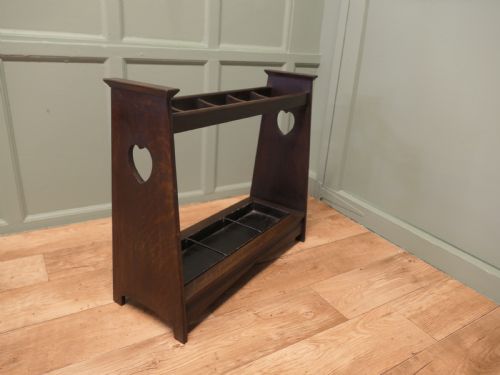
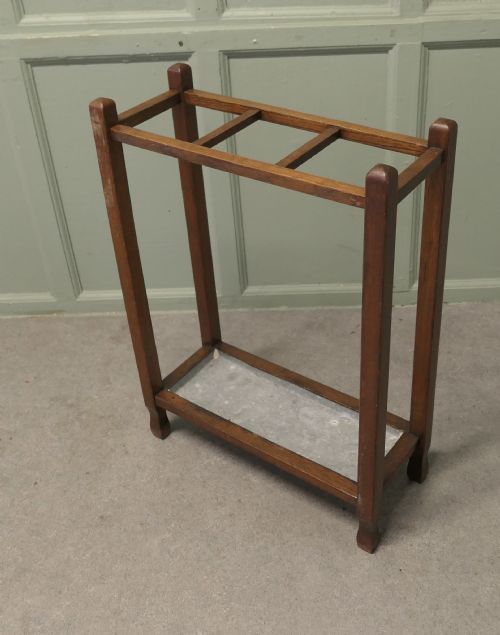
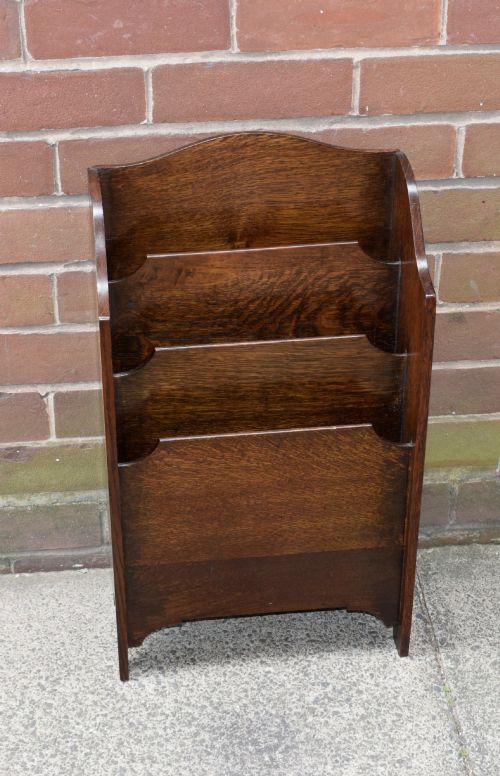
A mission style rack encompasses practical household furnishings rooted in the Arts and Crafts movement, spanning various forms from the late nineteenth century into the twentieth century. These pieces include hall stands, umbrella stands, stick stands, and magazine racks built for everyday household utility.
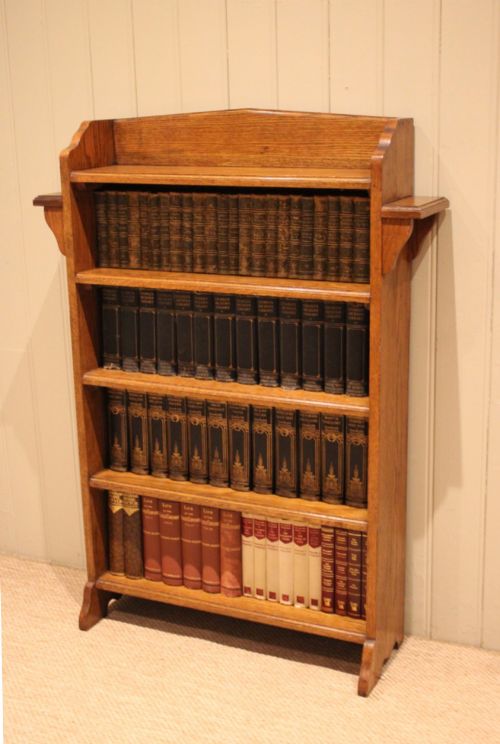
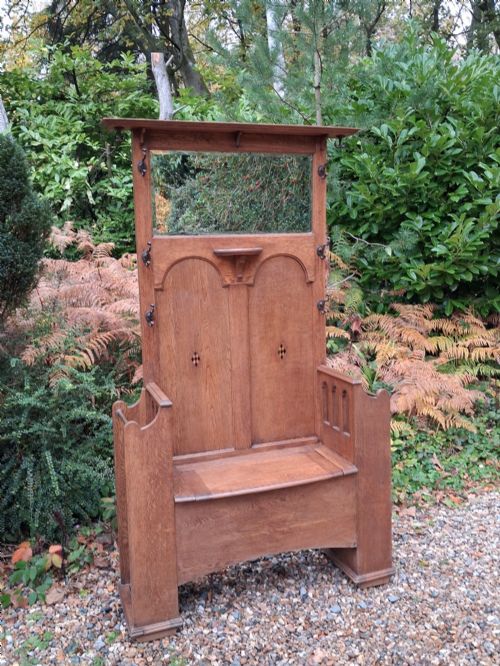
The versions most commonly met on this page are constructed from oak, reflecting the heavy reliance on timber during the Edwardian period and adjacent decades. Pieces take shapes such as open bookcases, two-tier bookcases, side tables combined with magazine racks, and comprehensive hall stands.
Origins stretch from the 1880s through the Edwardian era to the 1920s and 1930s, showing how domestic storage evolved while keeping solid construction at its core. Buyers encounter items that range from compact shelving units to large coat and umbrella stands designed to organise busy entryways.
How they were made
Makers built these pieces primarily from solid oak, sometimes utilising golden oak finishes to highlight the natural grain of the timber. This heavy wood provided the structural integrity needed for items holding books, heavy coats, and wet umbrellas.
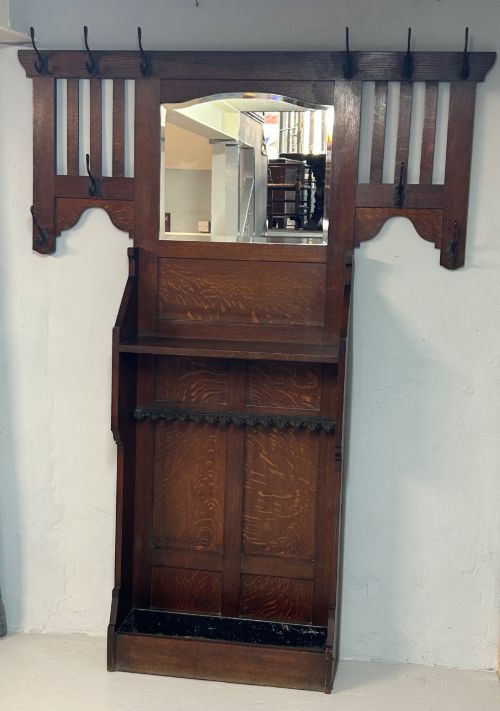
Metal components such as iron, brass, copper, and zinc appear alongside the timber, used for hooks, rods, drip pans, and structural fastenings. Marquetry occasionally adds decorative detail to surfaces, while glass elements appear in related bookcases and shelving.
Mission Style Rack Retail Price Guide 2026
Typical asking prices for mission style rack among the pieces listed under this phrase on Sellingantiques today, from the lower quarter to the upper quarter. They describe what is for sale here now, not the wider market.
Listings feature oak, iron, brass, copper, and zinc across pieces dated from the 1880s through the Edwardian era to the 1930s.
What varies in quality
The calibre of a piece rests on the selection of timber and the honesty of its construction, distinguishing straightforward utilitarian items from more refined workshop designs. Heavier solid oak sections and thoughtful proportions elevate a piece well above simple mass production.
Design influence also separates examples, such as those explicitly following specific retail aesthetics like Heals of London compared to standard commercial outputs. The integration of metalwork details, from brass hooks to fitted zinc drip pans, marks the difference between basic utility and considered craftsmanship.
The Mission Style Rack Glossary
- Arts and Crafts
- A design movement valuing traditional craftsmanship, simple forms, and natural materials over mass production. It heavily influences the construction of these wooden racks and stands.
- Hall stand
- A piece of furniture placed near an entryway, combining coat hooks, umbrella storage, and sometimes a mirror or small seat. These items organise outdoor wear.
- Golden oak
- A warm, honey-toned finish applied to oak furniture to accentuate the natural grain of the wood. It is frequently seen on pieces from the late nineteenth and early twentieth centuries.
- Stick stand
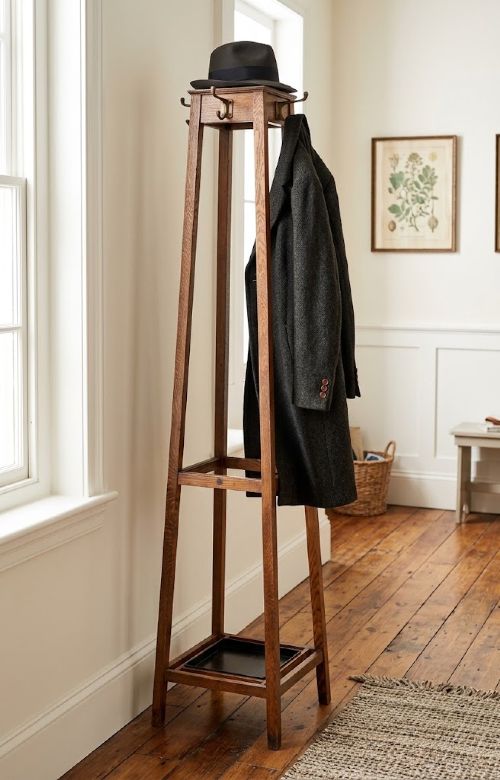
- A piece designed specifically to hold walking sticks, canes, and umbrellas upright in a hallway. They often incorporate metal drip pans to catch rainwater.
- Marquetry
- Inlaid pieces of wood fitted into a veneer to form decorative patterns on furniture surfaces. This technique adds subtle ornamentation to structural timber.
Mission Style Rack: Frequently Asked Questions
What is a mission style rack used for?
These racks serve practical functions in domestic spaces, primarily organising coats, hats, umbrellas, and walking sticks in hallways. Other variants function as bookcases or side tables with integrated magazine storage.
Their sturdy construction allows them to handle heavy daily use in busy entranceways and living areas. They combine storage utility with the distinct visual character of the Arts and Crafts movement.
How do I date a mission style rack?
Dating relies on examining the timber, period styles, and construction methods visible in the piece. Pieces span from the 1880s through the Edwardian era into the 1920s and 1930s.
Earlier items often feature deep golden oak and specific Arts and Crafts detailing, while later pieces from the 1920s and 1930s may show simpler lines. Comparing the form to documented workshop styles helps narrow down the decade of manufacture.
What materials are used in these racks?
Solid oak is the primary material used across these pieces, providing a durable frame for daily domestic tasks. Golden oak finishes are particularly common among the surviving inventory.
Metal elements such as iron, brass, copper, and zinc appear frequently in hardware, hooks, and umbrella drip pans. Occasional pieces incorporate glass elements or decorative marquetry.
How do I live with oak furniture?
Oak furniture requires stable indoor humidity levels to prevent the solid timber from drying out or splitting over time. Regular dusting and occasional polishing keep the wood grain looking rich and well-maintained.
Positioning pieces away from direct heat sources and strong sunlight preserves the original finish and golden tones. Their sturdy build makes them exceptionally well-suited for heavy daily use in modern homes.