




Miniature Wood Sculpture
Miniature wood sculpture brings together tiny carved figures, animals, and models crafted across the nineteenth and early twentieth centuries.
Miniature Wood Sculpture
Miniature wood sculpture encompasses small carved figures, animals, architectural models, and folk art objects spanning the nineteenth and early twentieth centuries. These pieces cross several traditions, including Japanese Meiji period netsuke, European folk art, and Prisoner of War whimseys.
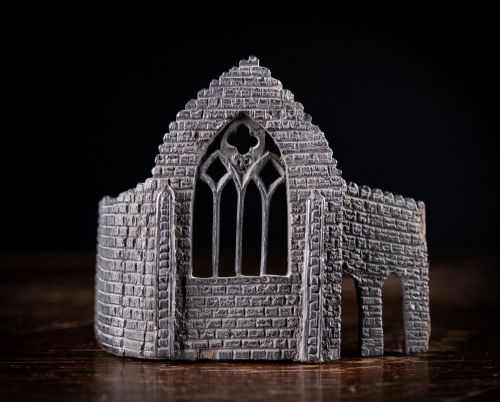
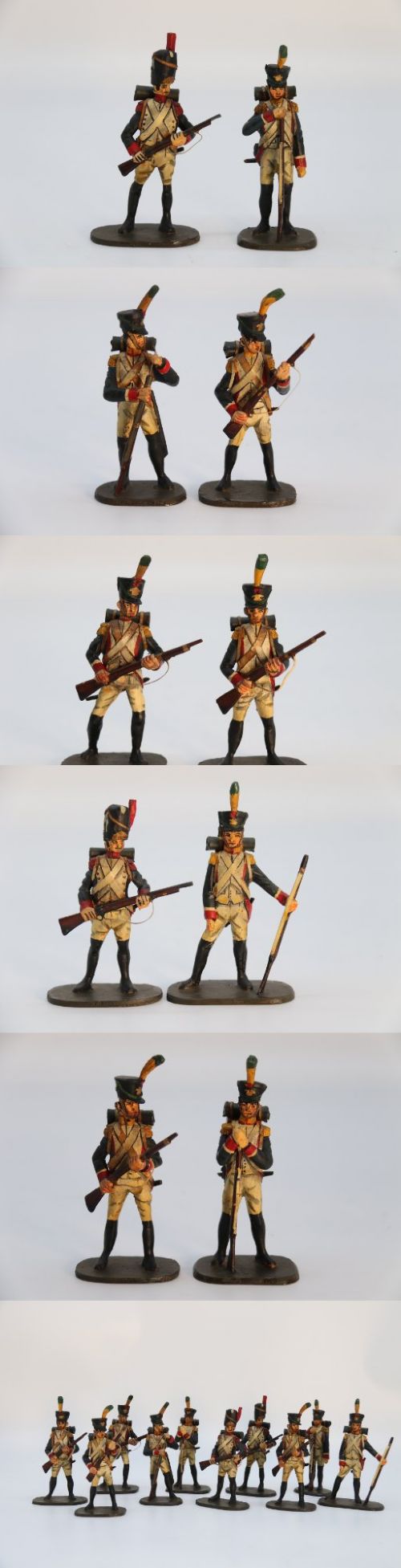
The objects on this page range from boxwood netsuke and bamboo okimono to Black Forest bears and matchstick architectural models. Makers applied careful carving and paint to produce detailed figures of humans, deities, and animals at a very small scale.
Materials and construction methods
Carvers relied heavily on boxwood, bamboo, and general wood, frequently enhancing the surfaces with paint or gilt. Some pieces incorporate mixed media such as bone, glass, cork, and thread.
Miniature Wood Sculpture Retail Price Guide 2026
Typical asking prices for miniature wood sculpture among the pieces listed under this phrase on Sellingantiques today, from the lower quarter to the upper quarter. They describe what is for sale here now, not the wider market.
Listings feature wood, boxwood, paint, bone, glass, cork, thread, and matchsticks across the nineteenth and early twentieth centuries.
Assessing quality in small carvings
Quality rests in the precision and depth of the hand carving, seen in the clean execution of facial expressions, fur texture, and architectural details. Pieces signed by makers demonstrate a higher level of individual artistry.
The condition of the original paint, gilt, and delicate subsidiary materials like thread or bone influences the integrity of the piece. Well-preserved surfaces retain the intended visual contrast and fine linework.
Tomochika·Masayuki
The Miniature Wood Sculpture Glossary
- Netsuke
- A small carved toggle used in traditional Japanese dress to secure a pouch or container to a sash. These items are frequently sculpted from boxwood or other dense woods.
- Okimono
- A Japanese decorative freestanding sculpture intended for display on a shelf or in a domestic alcove. They often depict figures, deities, or animals.
- Boxwood
- A dense, pale hardwood favoured by carvers for its fine grain and ability to hold microscopic detail. It provides a smooth surface for complex figurative work.
- Giltwood
- Wood that has been treated with a thin layer of gold leaf or gold paint. This technique highlights carved areas on figure groups.
Miniature Wood Sculpture: Frequently Asked Questions
What are Japanese netsuke used for?
Historically, Japanese netsuke served as practical toggles on traditional clothing, anchoring small hanging containers or pouches to the wearer's sash. Over time, they became appreciated as miniature sculptures in their own right.
Carvers shaped them from boxwood and other materials to fit comfortably in the hand while depicting animals, deities, and daily life.
How do I care for antique wood sculptures?
Keep miniature wooden carvings out of direct sunlight and away from rapid temperature fluctuations to prevent the wood from drying out or splitting. Dust them gently with a soft, dry brush.
Avoid using liquid polishes or chemical cleaners, as these can damage original painted or gilt surfaces.
How are nineteenth-century pieces dated?
Dating relies on stylistic conventions, carving techniques, and recorded signatures or maker attribution associated with specific periods like the Meiji era or the nineteenth century. Material choices and historical context also assist in placing an object.
Comparative study with documented examples helps narrow down the decade of production.