





Miniature Silver Pincushion
These miniature silver pincushions combine intricate metalwork with charm, offering collectors delightful novelty forms from the Regency, Victorian, and Edwardian eras.
Miniature Silver Pincushion
A miniature silver pincushion is a small desk or dressing table accessory fashioned into whimsical shapes such as animals, birds, furniture, and everyday objects. When you search for a miniature silver pincushion, you encounter charming novelties designed to hold pins and needles while adding decorative appeal to a room.
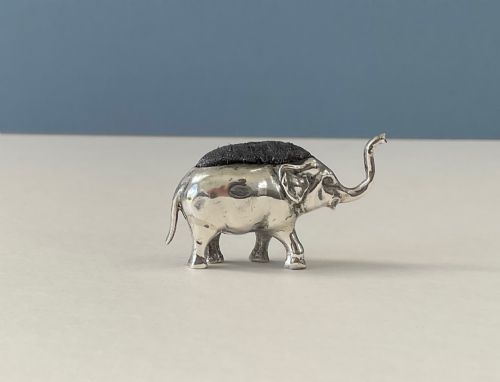
The pieces on this page span several distinct historical periods, including the Regency, Victorian, and Edwardian eras, alongside mid-century examples. You are most likely to meet Edwardian sterling silver novelty forms on this page, as animal and object designs from that period appear frequently.
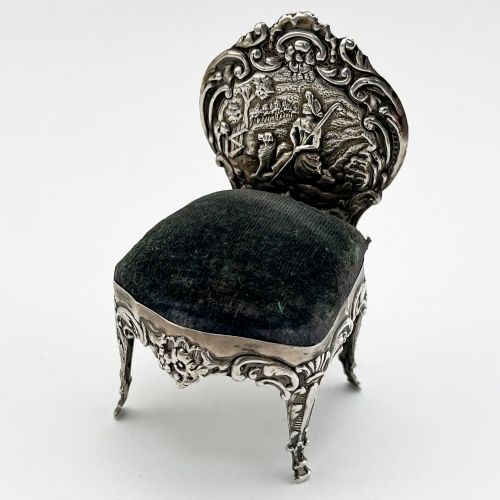
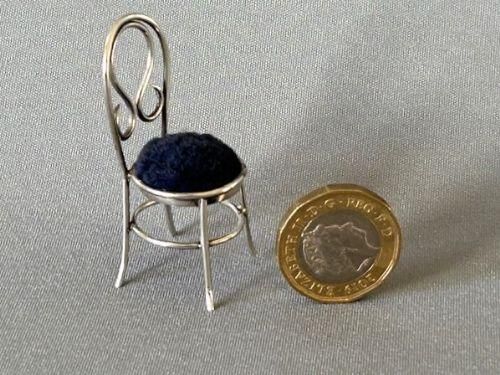
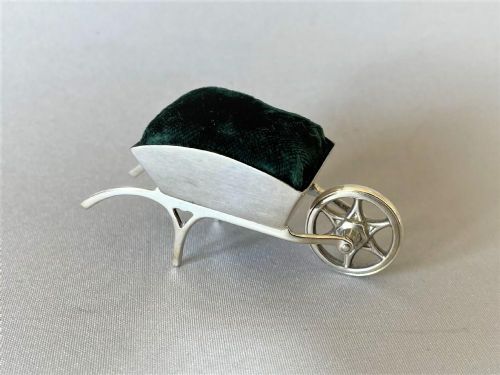
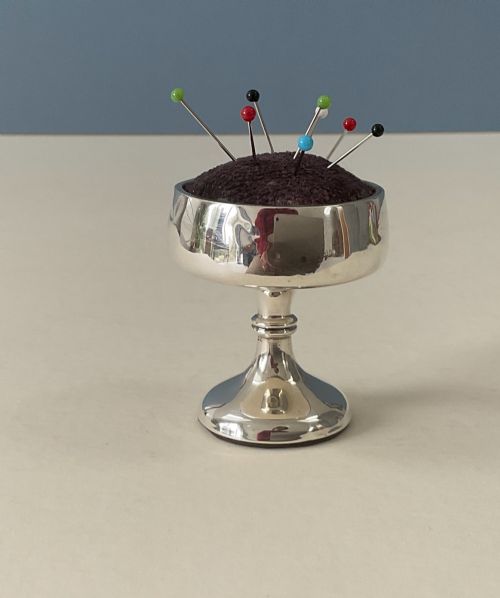
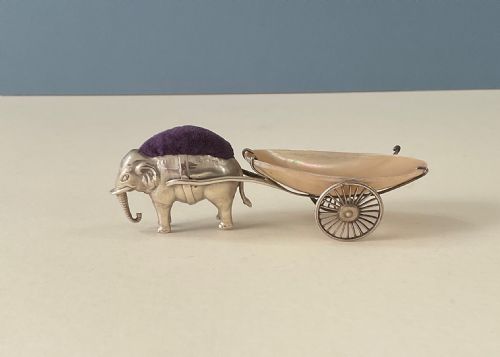
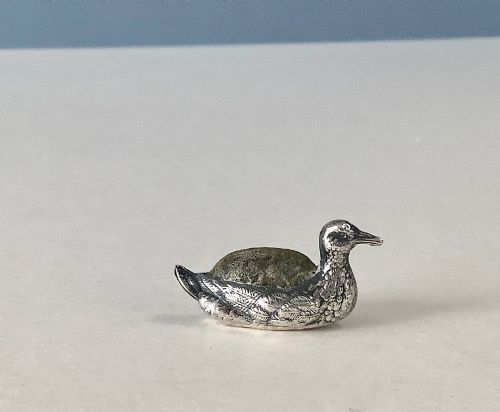
Makers shaped these items into specific motifs like salon chairs, wheelbarrows, goats, goblets, baskets, policemen, hatching chicks, teddy bears, ducks, swans, canoes, and gondolas. Each object serves a practical needlework function while operating primarily as a delightful decorative novelty.
What varies in quality
The integrity of the fabric insert and the weight of the solid silver casing also differentiate examples. Well-preserved velvet and substantial sterling silver construction indicate superior craftsmanship compared to worn textiles or thin metal.
Someone once puzzled over whether a tiny Edwardian gondola was meant for holding pins or serving salt.
Sampson Mordan & Co.
The Miniature Silver Pincushion Glossary
- Sterling Silver
- A silver alloy containing 92.5 percent pure silver by mass and 7.5 percent other metals, usually copper. This standard metal composition forms the durable body of most antique pin cushions.
- Novelty
- An object manufactured in an amusing, unusual, or clever shape rather than a standard utilitarian form. In silverwork, novelty items include miniature animals, vehicles, and household objects.
- Chasing
- A metalsmithing technique where the artisan pushes and displaces metal from the front using punches and hammers to create raised surface decoration. This method brings out fine feather, fur, or woven textures on the silver.
- Edwardian
- The period spanning the reign of King Edward VII from 1901 to 1910, known for lighter, refined decorative styles. Many miniature silver pin cushions on this page originate from this era.
Miniature Silver Pincushion: Frequently Asked Questions
What are miniature silver pincushions?
Miniature silver pincushions are small, decorative desk or dressing table accessories shaped as animals, furniture, or everyday items. They feature a silver exterior combined with a fabric or velvet pad designed to hold pins.
Craftsmen produced these items across the Regency, Victorian, and Edwardian periods as both functional sewing tools and amusing novelties for the home.
How were they used?
Victorians and Edwardians placed these small objects on sewing tables, desks, and dressing dressers to keep pins and needles close at hand during needlework tasks. The padded fabric insert provided a safe, secure place to park pins while working on garments or embroidery.
Beyond utility, these pieces functioned as decorative conversation items that displayed the owner's appreciation for clever design and fine metalwork.
How do you date a silver pincushion?
Dating these items involves examining the style, the silver hallmarks, and the specific novelty form. Edwardian examples often feature naturalistic animal designs, while Victorian pieces lean towards decorative novelties like salon chairs.
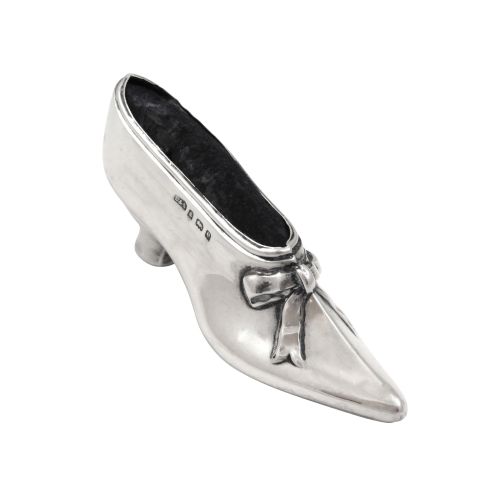
Hallmarks stamped onto the silver provide official assay office marks, date letters, and maker's marks that pinpoint the exact year of manufacture.
How do you care for them?
Care for these pieces requires gentle handling to protect the delicate silver surface and the original fabric insert. Avoid harsh liquid silver dips that might damage or stain the historic velvet or textile padding.
Keep them in a stable environment away from direct sunlight and excessive moisture to preserve both the metal shine and the fabric integrity.