

Miniature Painting Art
Miniature painting art delivers intimate portraits and detailed scenes executed across the eighteenth and nineteenth centuries.
Miniature Painting Art
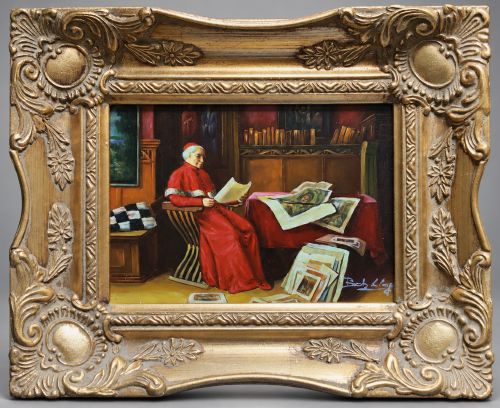
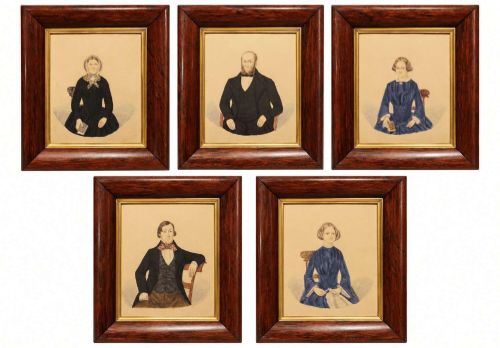
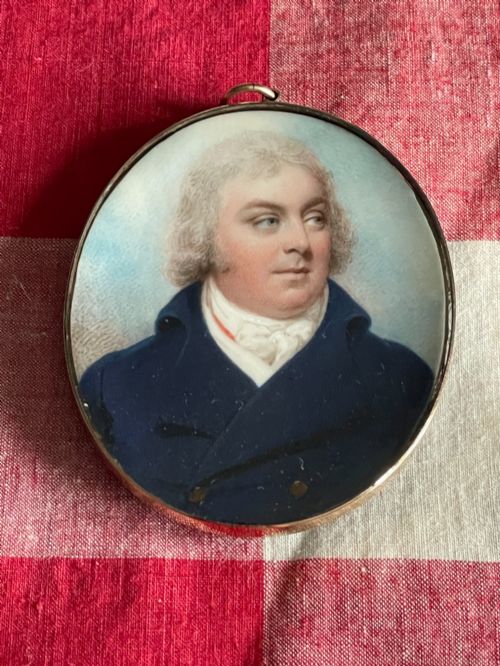
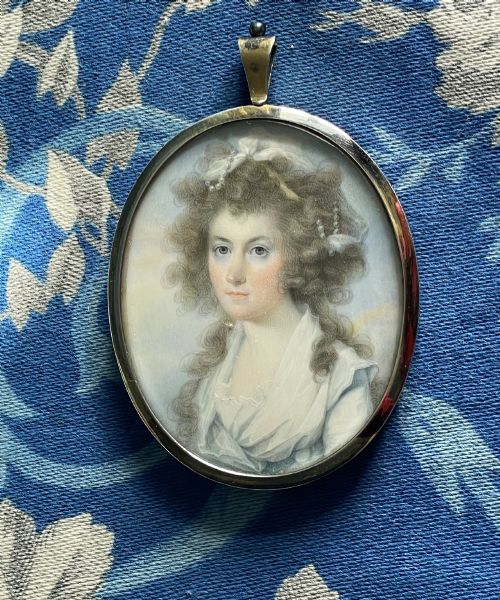
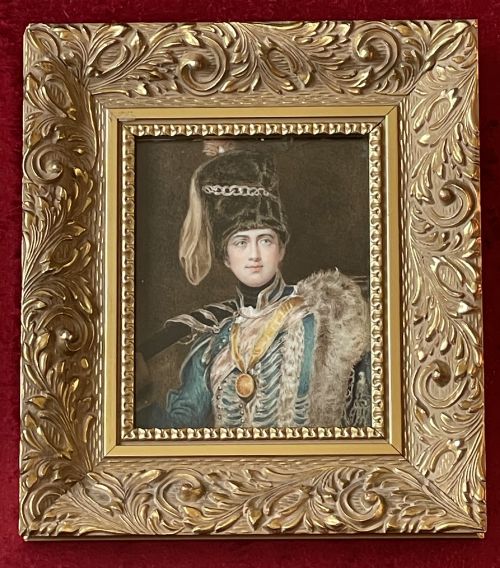
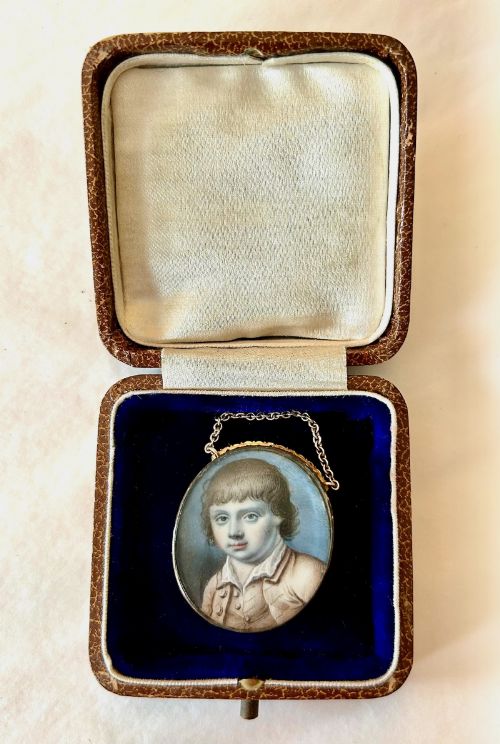
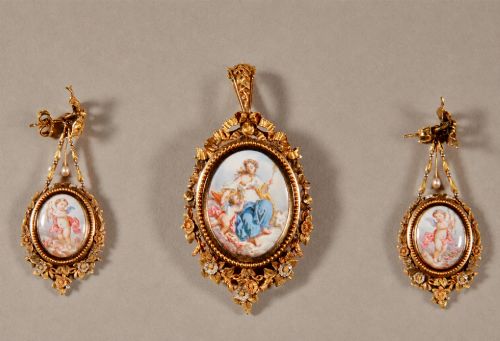
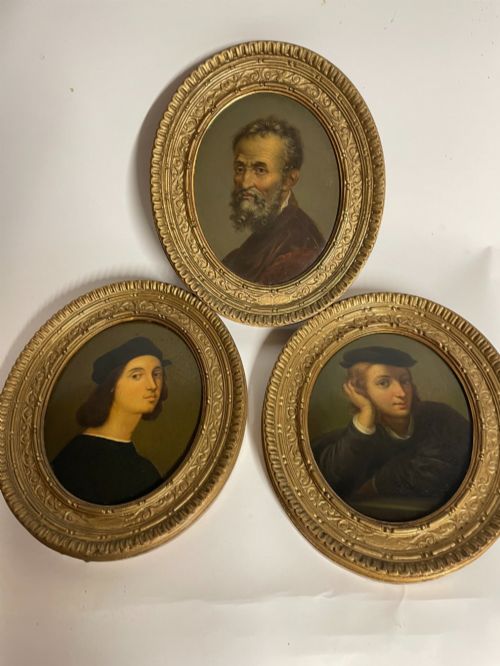
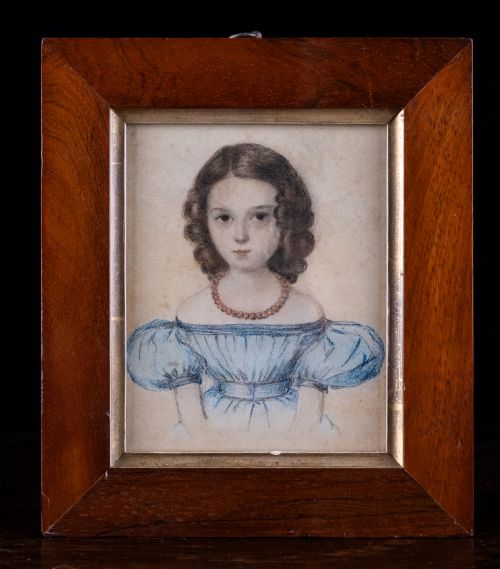
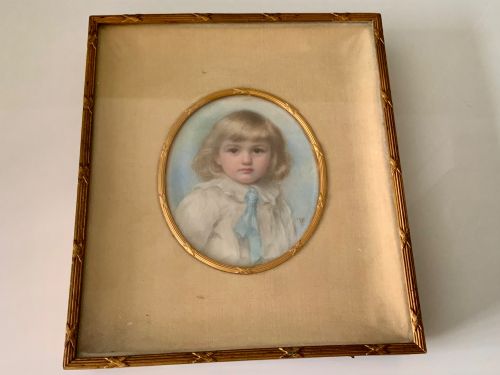
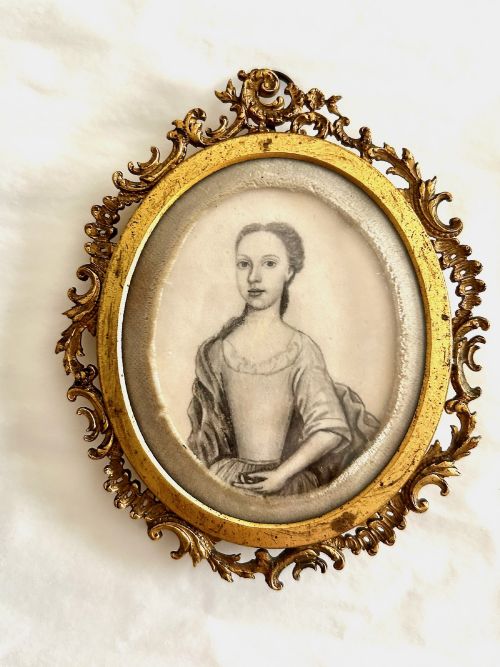
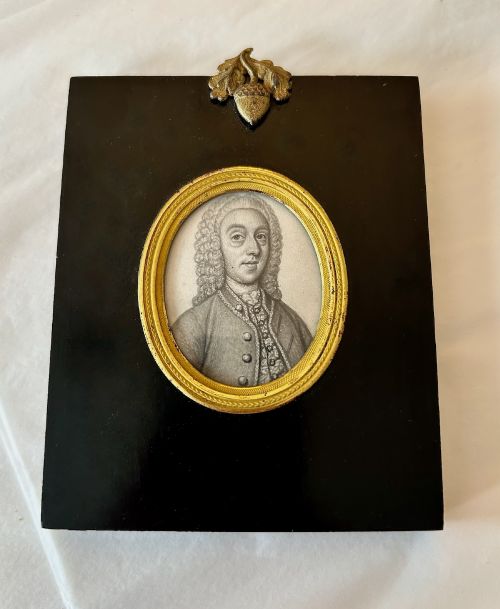
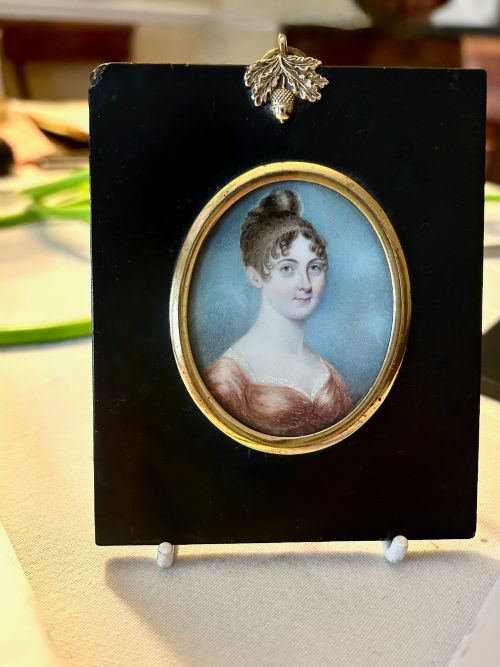
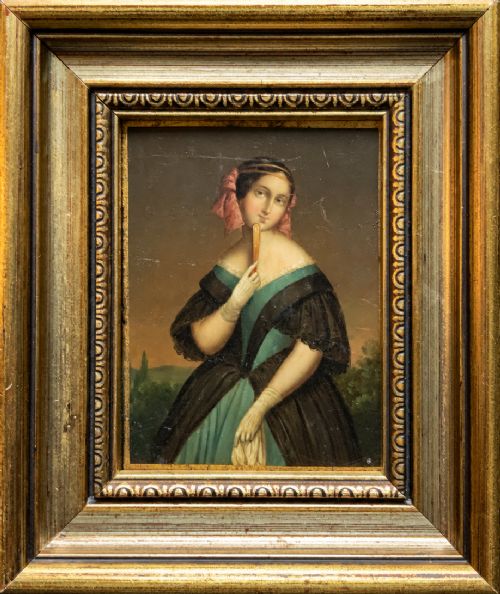
Miniature painting art encompasses small-scale portraits and decorative works produced primarily during the eighteenth and nineteenth centuries. Pieces frequently take the form of portrait miniatures depicting officers, ladies, and children in framed formats.
Subjects range from individual sitters to historical figures like Mary, Queen of Scots, and Napoleon. Buyers encounter both British school works and continental pieces, including French and Italian examples.
How they were made
Reverse painting on glass required painters to apply pigments directly to the glass surface in reverse order, viewing the final image through the clear front pane. Enamel portraits involved fusing powdered glass onto a metal base through firing.
Frames and housings utilised materials such as gilt metal, brass, ebonised wood, and gold leaf. Silhouette works employed hand-cut paper or painted profiles mounted within protective surrounds.
Miniature Painting Art Retail Price Guide 2026
Typical asking prices for miniature painting art among the pieces listed under this phrase on Sellingantiques today, from the lower quarter to the upper quarter. They describe what is for sale here now, not the wider market.
Alongside fine portraiture, the selection includes a steam ship contained entirely within a glass bottle.
What varies in quality
Quality rests upon the precision of the brushwork and the psychological depth captured in the sitter's expression. Master practitioners rendered delicate textures in lace, hair, and uniform braiding with exceptional clarity.
The choice of housing influences overall presentation, with original gilt metal or ebonised wood frames complementing the delicate scale of the artwork. Signed works by documented artists command closer attention from collectors.
Condition of the delicate paper, watercolor, or glass surface determines longevity. Intact pigments and stable housings preserve the visual impact of these small-scale works.
Frederick Buck·Henri Fradelle·James Sharples·Horace Hone·Charles Shirreff·John C D Engleheart
The Miniature Painting Art Glossary
- Portrait Miniature
- A small-scale painting, typically executed on paper, ivory, or vellum, designed for intimate viewing or portable display.
- Reverse Painted Glass
- A technique where the artist paints directly onto the back of a glass panel so the finished image displays through the front.
- Silhouette
- A solid profile portrait, usually cut from black paper or painted in monochrome on a contrasting background.
- Gilt Metal
- Metal treated with a thin layer of gold or gold-coloured finish to provide a decorative metallic border for small frames.
- Watercolour
- A painting method where fine pigment particles are suspended in a water-based solution, standard for detailed portrait miniatures.
Miniature Painting Art: Frequently Asked Questions
What is miniature painting art?
Miniature painting art refers to small-scale paintings, predominantly portraits, produced during the Georgian, Regency, and Victorian periods.
These works were created using watercolour, enamel, or reverse glass painting techniques and housed in protective frames.
How were portrait miniatures displayed?
Portrait miniatures were frequently framed in gilt metal, brass, or ebonised wood for hanging on walls or placement on surfaces.
Some were designed to be carried personally or kept within protective cases rather than displayed publicly.
How do I identify a Georgian miniature?
Georgian miniatures often feature specific clothing styles, powdered wigs, and costume details characteristic of the late eighteenth and early nineteenth centuries.
Framing styles and the use of materials like watercolour on paper or ivory further point toward this period.
What subjects appear in these paintings?
Subjects include individual gentlemen, military officers in red coats, young ladies, children, and historical figures.
Artists also produced decorative scenes, religious iconography such as the Madonna, and folk art compositions.