




Miniature Doll Furniture
Miniature doll furniture brings together scaled-down domestic forms and centuries of woodworking skill, offering delightful charm for collectors and period displays.
Miniature Doll Furniture
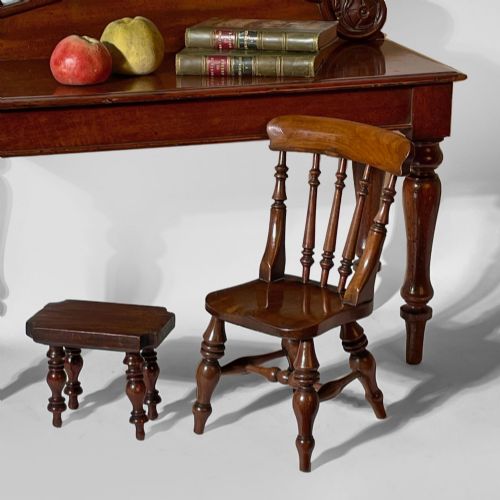
Miniature doll furniture encompasses small-scale furnishings designed for dolls, children's toys, and detailed displays. When you explore miniature doll furniture, you encounter various historical periods ranging from the eighteenth century through to the mid-twentieth century.
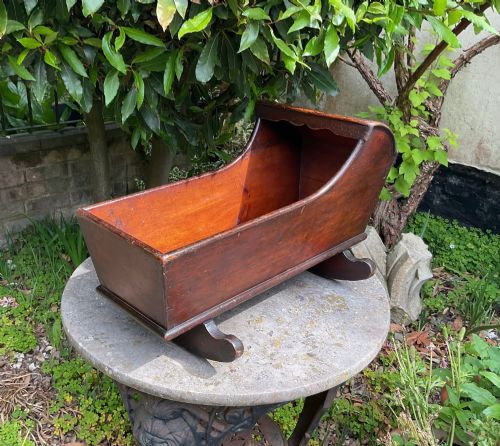
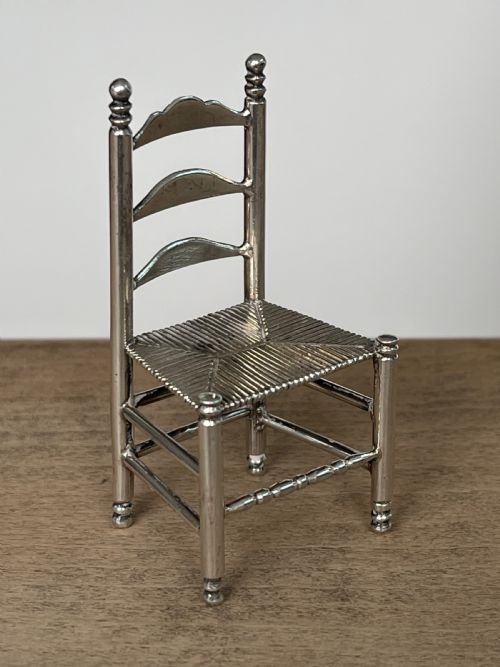
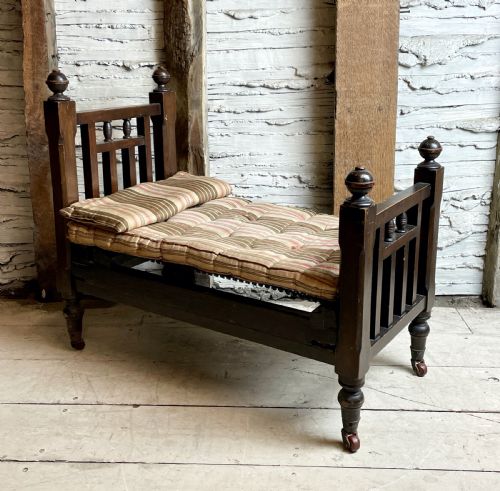
The selections span numerous styles and regional traditions, including Georgian pine cradles, Dutch silver chairs, and French Empire style chaise longues. Pieces often reflect full-scale domestic items of their respective eras, scaled down for toy use or apprentice work.
How they were made
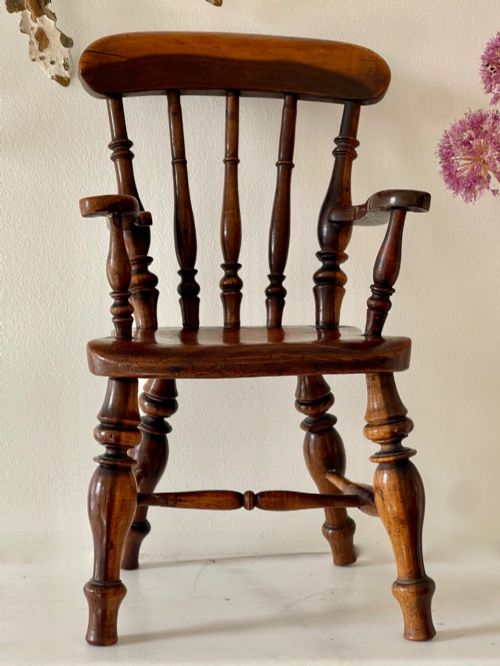
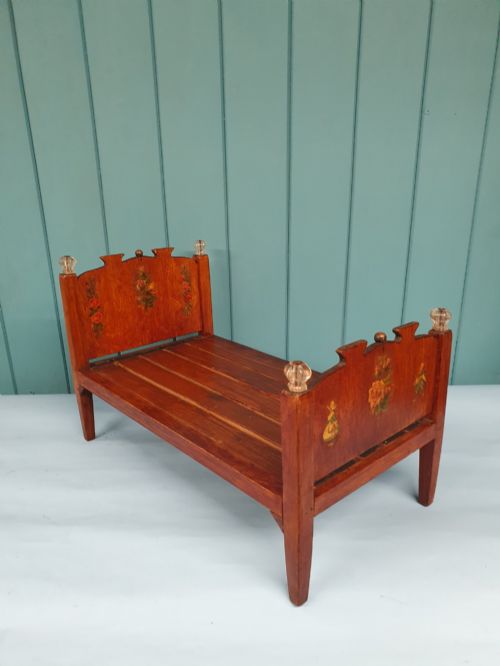
Makers utilised traditional timber such as pine, oak, beech, and bentwood, shaping them with hand tools to replicate full-sized furniture joints and structures. Some items incorporate fabric upholstery, painted decoration, and blue and white Delftware motifs.
Silversmiths employed detailed metalworking techniques to create solid silver miniature chairs, while woodworkers bent timber for specialised pieces like bentwood rockers. Surface treatments range from plain polished wood to hand-painted finishes characteristic of folk art traditions.
Miniature Doll Furniture Retail Price Guide 2026
Typical asking prices for miniature doll furniture among the pieces listed under this phrase on Sellingantiques today, from the lower quarter to the upper quarter. They describe what is for sale here now, not the wider market.
Some miniature chairs were built so small they could comfortably seat a very distinguished teddy bear.
What varies in quality
Quality in miniature doll furniture depends largely on the fidelity of the scaling and the precision of the construction details. Pieces that successfully replicate the joinery and proportions of full-sized furniture demonstrate superior craftsmanship.
The choice of material and the refinement of surface decoration also set finer examples apart from simpler items. Hand-painted motifs, delicate metalwork, and authentic period materials elevate a piece well above basic toy constructions.
Thonet
The Miniature Doll Furniture Glossary
- Bentwood
- Wood that has been heated and bent into curved shapes, famously utilised by makers like Thonet for seating. This technique allowed for light yet robust chair frames.
- Joint stool
- A sturdy wooden stool constructed with mortise and tenon joints pegged together. In miniature form, it mirrors the robust seating found in earlier centuries.
- Chaise longue
- An upholstered sofa in the form of a chair with a long seat sufficing for supporting the legs. Miniature versions emulate grand French Empire furnishings.
- Windsor chair
- A chair built with a solid wooden seat into which the back and legs are round-tenoned. The miniature adaptation captures the classic spindle-back silhouette.
- Apprentice piece
- An item created by a trainee artisan to demonstrate mastery of a craft for guild admission. These objects often display exceptional attention to detail at a small scale.
Miniature Doll Furniture: Frequently Asked Questions
How were these miniature pieces used?
Many of these pieces served as toys for children's dolls, outfitting miniature doll houses and nursery settings. Others functioned as apprentice pieces or display items for collectors.
Their small scale allowed children to practice domestic play or permitted makers to showcase their technical skill to prospective clients.
What materials are common in antique miniatures?
Wood is the primary material, with pine, oak, and beech appearing frequently across various centuries. Makers also utilised fabric, paint, glass, and solid silver for specialised pieces.
Selected items feature hand-painted decorations or bentwood construction, mirroring the techniques used in full-scale furniture production.
How do you identify the period of a piece?
Period identification relies on observing the stylistic traits, construction methods, and materials characteristic of specific eras like the Georgian or Victorian periods. Details such as turned legs, painted motifs, and wood types offer strong chronological clues.
Comparing the miniature form to documented full-scale furniture of the same era helps confirm its historical context.
Where were these miniature items made?
Miniature furniture was produced across Britain and continental Europe, with notable regional styles originating from places like the Netherlands and France. Dutch workshops often produced silver miniatures and folk art pieces.
English makers contributed traditional oak and pine forms such as Windsor chairs and joint stools.