


Miniature Collectors Drawers
Miniature collectors drawers are compact tabletop cabinets crafted for small specimens and treasures, offering practical storage with exquisite joinery.
Miniature Collectors Drawers
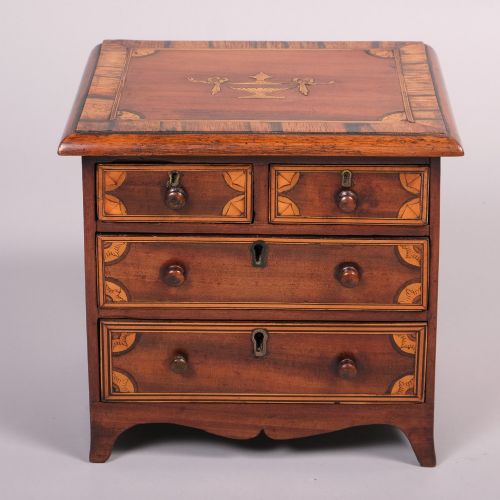
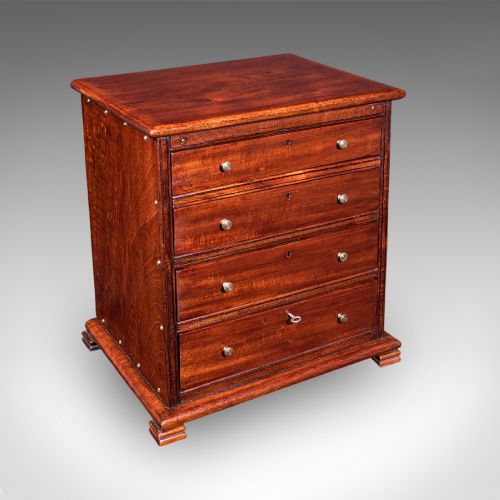
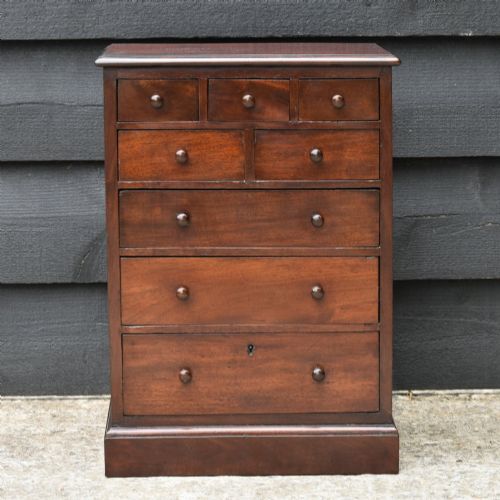
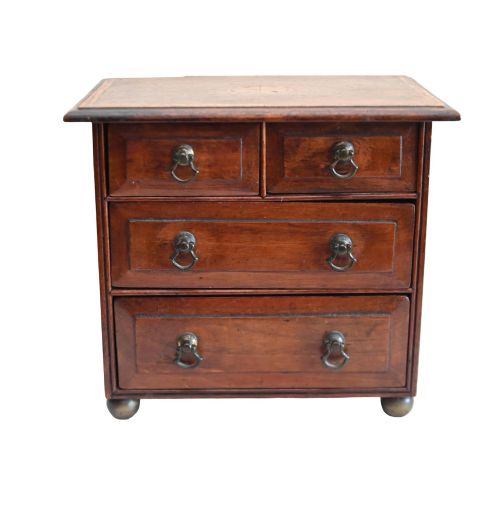
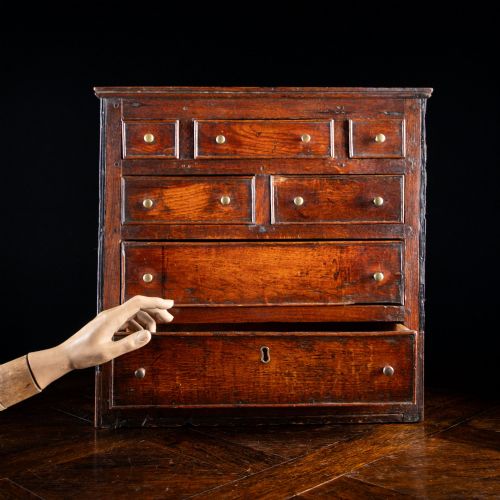
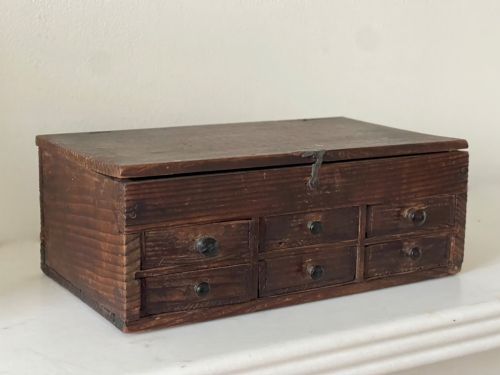
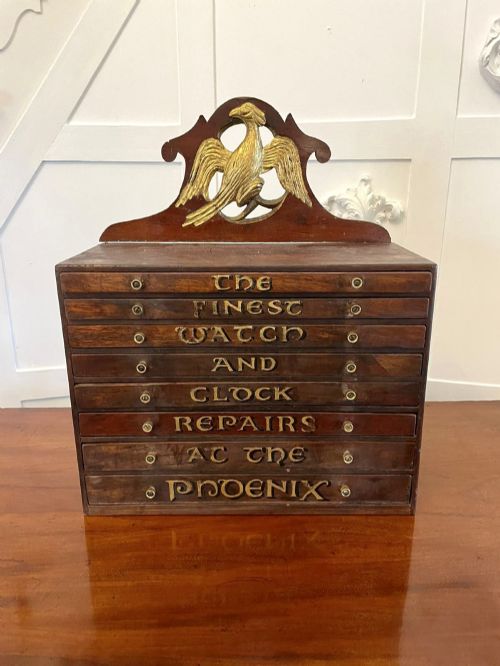
Miniature collectors drawers serve as small-scale storage units designed for tidy organisation on a tabletop or desk. These compact pieces range from utilitarian spice boxes to refined specimen cabinets built for natural history collections.
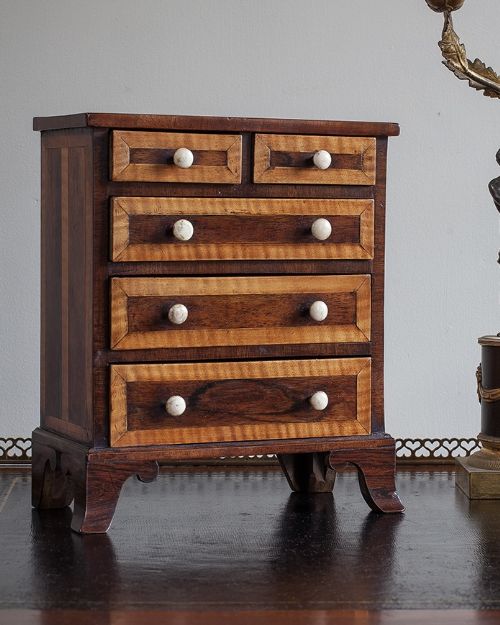
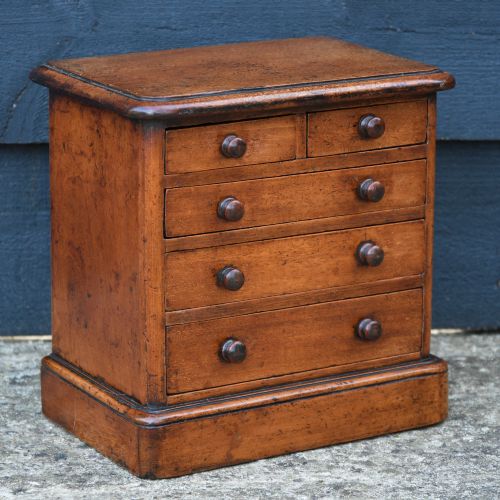
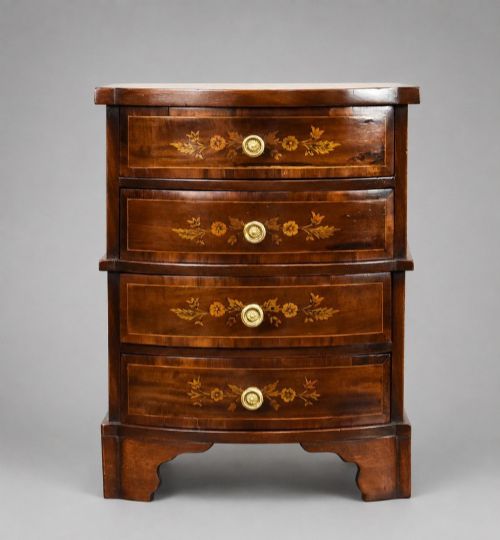
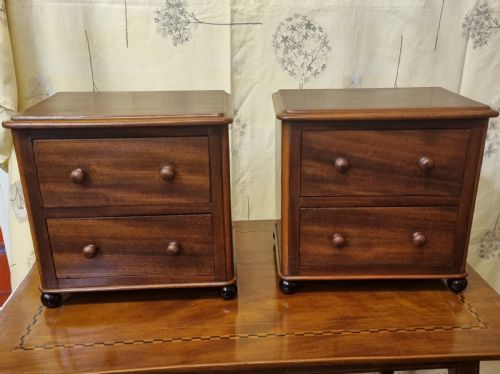
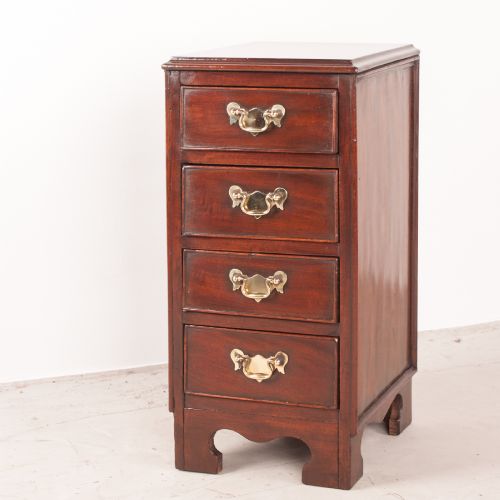
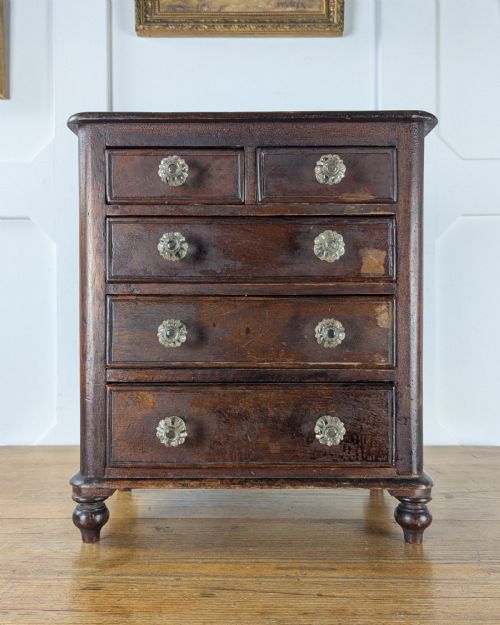
Victorian mahogany apprentice pieces and nineteenth century examples form the core of what collectors meet most often on this page. These versions frequently mirror the proportions of full-size chests of drawers or Wellington chests scaled down for specific tasks.
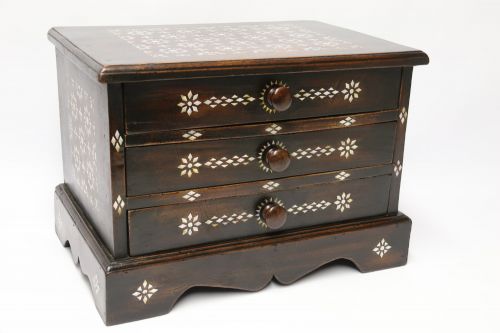
Earlier eighteenth century pieces and Georgian oak spice cabinets appear alongside later Edwardian and 1920s variants. The selection spans straightforward pine storage boxes and elaborate burr walnut or rosewood table cabinets.
Materials and Construction
Cabinetmakers utilised dense hardwoods like mahogany, oak, rosewood, and burr walnut alongside utility timbers such as pine and elm. Timber selection dictated the weight and finish, with finely figured veneers applied to select drawer fronts and carcases.
Joinery techniques relied on tight dovetail joints for drawer construction to withstand frequent opening and closing. Brass drawer pulls, bone escutcheons, and glass elements added functional detail to dental cabinets, watchmaker boxes, and microscope slide chests.
Miniature Collectors Drawers Retail Price Guide 2026
Typical asking prices for miniature collectors drawers among the pieces listed under this phrase on Sellingantiques today, from the lower quarter to the upper quarter. They describe what is for sale here now, not the wider market.
Object forms include watchmaker boxes, microscope slide cabinets, dental units, spice chests, and miniature Wellington chests.
Quality and Craftsmanship
Quality rests heavily on the crispness of the dovetailing and the selection of timber veneers. Superior examples display symmetrical grain patterns, such as flame mahogany or burr yew, matched meticulously across multiple small drawer fronts.
Internal refinement separates standard storage from exceptional cabinetwork. Fine pieces incorporate secondary locking mechanisms, secret compartments, milk glass linings, or specialised dividers tailored for delicate scientific slides and jewellery.
The Miniature Collectors Drawers Glossary
- Apprentice piece
- A small item demonstrating skill created by a craftsman seeking master status. These miniature chests replicate full-size furniture proportions perfectly.
- Wellington chest
- A tall narrow chest featuring a hinged locking stile on one side that secures all drawers simultaneously. Miniature versions often incorporate this specific security feature.
- Specimen cabinet
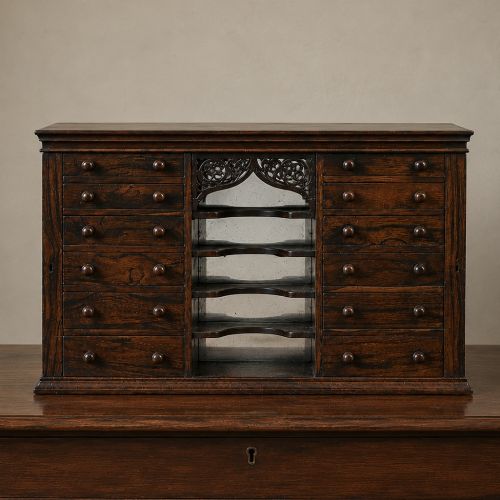
- A specialised housing unit with shallow drawers designed for natural history collections. These cabinets frequently store geological, botanical, or entomological samples.
- Spice drawers
- Multi-drawer tabletop banks traditionally utilised in domestic kitchens. They appear commonly in eighteenth century oak and nineteenth century fruitwood configurations.
- Kodansu
- A traditional small Japanese table cabinet featuring multiple compartments and drawers. These decorative storage pieces often utilise black lacquer finishes.
Miniature Collectors Drawers: Frequently Asked Questions
What were miniature collectors drawers used for?
These small cabinets served varied practical purposes in domestic and professional settings. Tradesmen, watchmakers, and dentists used them for tools, parts, and small instruments.
At the same time, domestic users stored jewellery, sewing accessories, spices, and natural history specimens in the multiple shallow drawers.
How do you date a miniature chest?
Dating relies on observing timber choices, construction methods, and hardware styles across the piece. Eighteenth century examples often feature heavy oak or elm with hand-cut joinery, while Victorian pieces lean toward mahogany and walnut.
Later Edwardian and 1920s variations introduce alternative woods, simpler internal linings, and machine-cut components.
Are apprentice pieces genuine furniture?
Apprentice pieces are fully functional miniature furniture built to demonstrate advanced woodworking skill to a guild. They are constructed using the same traditional techniques and fine timbers as standard furniture.
Their reduced scale allowed makers to showcase mastery of dovetailing, turning, and polishing in a single portable object.
How should I clean wood surfaces?
Maintenance requires gentle dusting with a soft, dry cloth to protect the aged patina and delicate timber grain. Avoid harsh modern chemical sprays, silicone polishes, or excessive water.
Application of traditional beeswax helps nourish dry antique hardwoods and preserves the original surface sheen over time.